

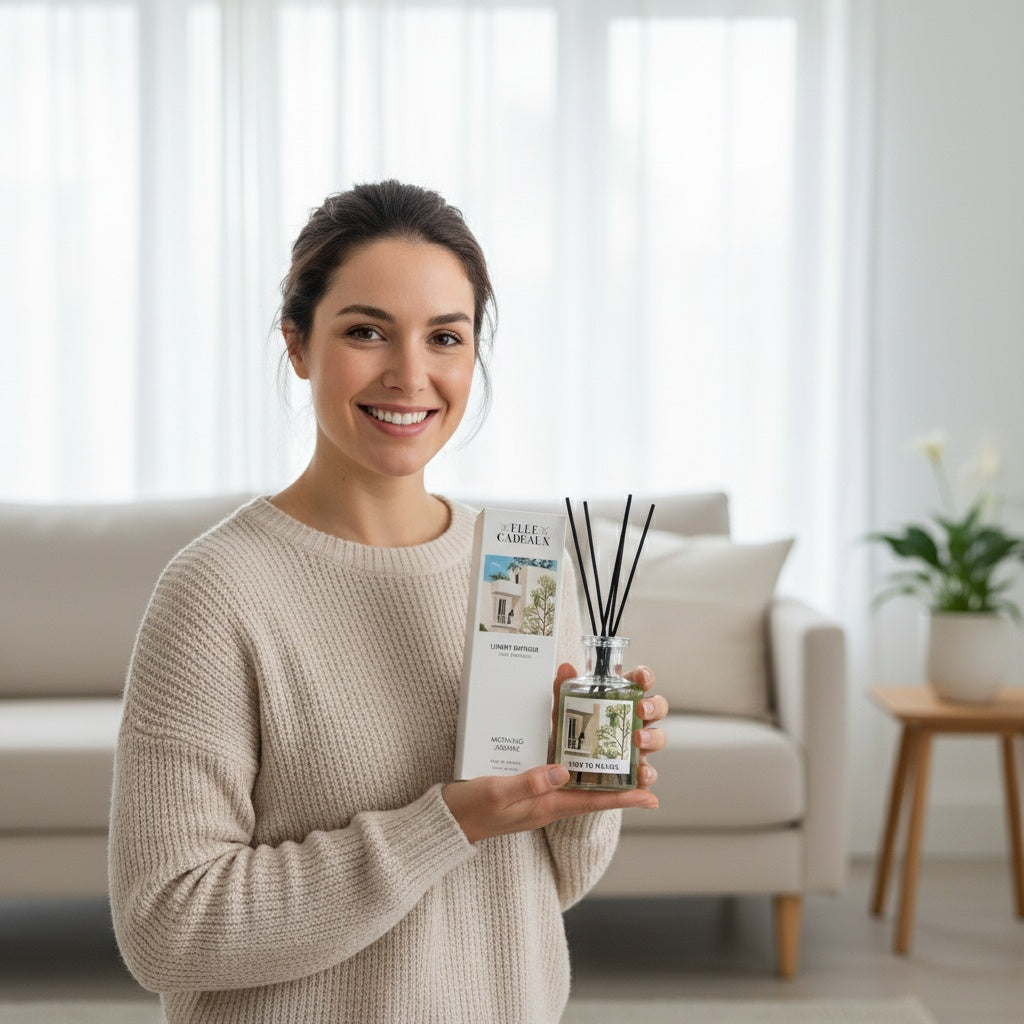
50 Self-Care Ideas That Actually Work (Backed by Science)
Self-care has moved beyond bubble baths and face masks (though those are great too). Modern self-care is about building sustainable habits that genuinely improve your physical, mental, and emotional wellbeing. The difference between effective self-care and a fleeting indulgence? Science.
We've compiled 50 self-care ideas organized by category, each supported by research. Find the ones that resonate with your life and build your own personalized routine.
Physical Self-Care (Ideas 1-12)
- Take a 20-minute walk in nature. Research shows that just 20 minutes in a natural setting reduces cortisol levels by 13.4%. (Frontiers in Psychology, 2019)
- Practice the 4-7-8 breathing technique. Inhale for 4 seconds, hold for 7, exhale for 8. This activates the parasympathetic nervous system and measurably reduces anxiety.
- Stretch for 10 minutes before bed. Evening stretching improves sleep quality by 35% according to a study of 100 adults. (Journal of Physiotherapy, 2023)
- Drink a full glass of water first thing in the morning. Rehydrating after sleep improves cognitive performance within 30 minutes.
- Try cold water face immersion. Submerging your face in cold water for 15-30 seconds activates the dive reflex, which slows heart rate and calms the nervous system. (Biological Psychology, 2022)
- Take a warm bath with essential oils. Warm water bathing raises core body temperature, and the subsequent cooling triggers drowsiness. Adding lavender oil amplifies the relaxation effect.
- Do a digital sunset. Turn off screens 60 minutes before bed. Blue light suppresses melatonin production by 50%. (Journal of Clinical Endocrinology, 2023)
- Practice yoga for 15 minutes. Even brief yoga sessions reduce anxiety scores by 30% in clinical studies. (Journal of Psychiatric Practice, 2023)
- Get 10 minutes of morning sunlight. Morning light exposure regulates circadian rhythm and improves both mood and sleep quality.
- Prepare a nourishing meal from scratch. The act of cooking engages multiple senses and produces measurable stress reduction similar to art therapy. (Health Education & Behavior, 2023)
- Take a power nap (10-20 minutes). NASA research found that a 10-minute nap improves alertness by 54% and performance by 34%.
- Dance to your favorite song. Three minutes of energetic movement releases endorphins comparable to 10 minutes of moderate exercise.
Mental & Emotional Self-Care (Ideas 13-24)
- Write in a gratitude journal. Writing 3 things you're grateful for daily increases wellbeing scores by 25% over 10 weeks. (Journal of Personality and Social Psychology, 2003)
- Set one boundary today. Saying "no" to something that drains you is one of the most powerful acts of self-care.
- Practice the "5-4-3-2-1" grounding technique. Name 5 things you see, 4 you feel, 3 you hear, 2 you smell, 1 you taste. This technique is clinically effective for anxiety and panic.
- Unfollow 10 social media accounts that drain you. Research shows that curating your feed reduces comparison anxiety by up to 40%. (Journal of Social and Clinical Psychology, 2022)
- Write a letter to your future self. This exercise builds hope and perspective. Sites like FutureMe.org will email it to you on a date you choose.
- Do a "brain dump." Write everything on your mind onto paper with no organization. This externalization technique reduces mental load and improves focus.
- Read for 30 minutes. Reading reduces stress by 68% — more than listening to music, taking a walk, or drinking tea. (University of Sussex, 2009)
- Practice self-compassion meditation. Loving-kindness meditation measurably increases positive emotions and reduces self-criticism over 6 weeks. (Journal of Happiness Studies, 2023)
- Complete one small task you've been avoiding. Accomplishing a lingering to-do releases dopamine and reduces background anxiety.
- Watch a sunrise or sunset mindfully. Awe experiences (like watching natural beauty) measurably reduce inflammatory markers and increase life satisfaction.
- Call someone who makes you laugh. Laughter reduces cortisol by 39% and increases endorphins by 27%. (Mayo Clinic Proceedings, 2023)
- Practice the "worry window." Designate 15 minutes to worry intentionally, then close the window. This cognitive behavioral technique reduces generalized anxiety significantly.
Sensory Self-Care: Aromatherapy, Sound & Touch (Ideas 25-35)
- Diffuse lavender essential oil in your bedroom. Lavender aromatherapy improves sleep quality by 45% in clinical trials. The simplest entry point: a crystal or reed diffuser on your nightstand.
- Create a "calm corner" with intentional scent. Designate a chair or nook as your relaxation space and pair it with a dedicated fragrance. The scent becomes a trigger for relaxation over time.
- Listen to binaural beats for 15 minutes. Binaural beats in the alpha range (8-14 Hz) reduce anxiety and improve focus in clinical studies. (Psychological Research, 2023)
- Take a "forest bathing" walk. The Japanese practice of shinrin-yoku (forest bathing) reduces cortisol by 12% and blood pressure by 7% in just 30 minutes. (Environmental Health and Preventive Medicine, 2010)
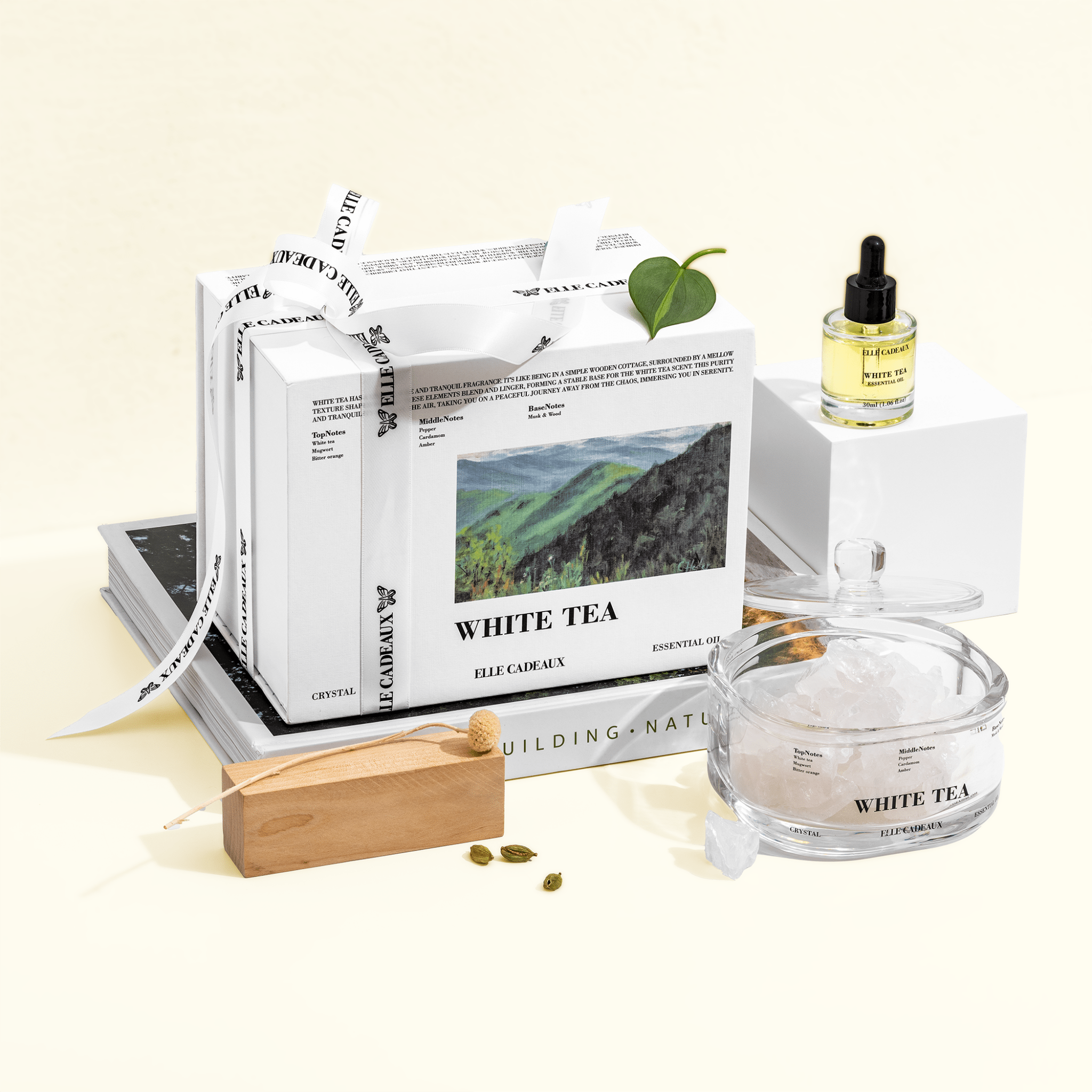
- Use a white tea diffuser during your wind-down routine. White tea's calming properties, combined with the ritual of aromatherapy, create a powerful pre-sleep routine anchor.
- Give yourself a hand massage. Five minutes of self-massage on your hands and wrists reduces anxiety and improves circulation. No training needed.
- Play an instrument (or learn one). Active music-making reduces cortisol more effectively than passive listening. (Psychoneuroendocrinology, 2022)
- Practice progressive muscle relaxation. Systematically tensing and releasing muscle groups from toes to head reduces physical tension by up to 50%.
- Scent your pillow with calming essential oils. A light mist of lavender or chamomile pillow spray is one of the simplest, most effective sleep interventions available.
- Spend 5 minutes with a texture you love. Pet an animal, knead bread dough, handle smooth stones, or wrap yourself in a soft blanket. Tactile stimulation activates calming neural pathways.
- Create a multi-sensory morning ritual. Combine your favorite scent (diffuser), sound (music or nature sounds), and taste (quality tea or coffee) into a deliberate 10-minute morning experience.
Social Self-Care (Ideas 36-42)
- Schedule a phone-free meal with someone you care about. Undivided attention is the rarest and most valuable thing you can offer another person.
- Write a thank-you note. Expressing gratitude to others increases your own happiness more than the recipient's, research shows.
- Join a group or class around an interest. Social isolation is as harmful as smoking 15 cigarettes a day. (Perspectives on Psychological Science, 2015)
- Set up a regular "no agenda" coffee date. Not every social interaction needs a purpose. Unstructured time with friends is deeply restorative.
- Volunteer for 2 hours. Volunteering produces a measurable "helper's high" — a dopamine and oxytocin release that boosts mood for days afterward.
- Send a "thinking of you" text to 3 people. Takes 60 seconds, strengthens 3 relationships, and makes 4 people (including you) feel good.
- Host a small gathering with intentional ambiance. Soft lighting, background music, and a welcoming scent (like a crystal diffuser with vanilla or white tea) transform a simple get-together into a meaningful experience.
Spiritual & Mindfulness Self-Care (Ideas 43-50)
- Meditate for 10 minutes. Consistent meditation physically changes brain structure, increasing gray matter in areas associated with emotional regulation. (Psychiatry Research: Neuroimaging, 2011)
- Spend 5 minutes in silence. In our noisy world, deliberate silence is profoundly restorative for the nervous system.
- Create a personal mantra. A short, positive phrase repeated during stress moments can reduce anxiety by anchoring your thoughts.
- Practice mindful eating. Eat one meal per week with zero distractions. Chew slowly, notice flavors. This reduces overeating by 25% and increases meal satisfaction.
- Do a body scan meditation. Slowly focus attention from your toes to the crown of your head, noticing sensations without judgment. Reduces anxiety and chronic pain perception.
- Create a sacred morning space. Before checking your phone, spend 5 minutes with intention: gratitude, deep breaths, and a calming scent. This sets the emotional tone for your entire day.
- Practice "awe walking." Take a walk specifically to notice things that inspire wonder — architecture, nature, people. Awe experiences reduce stress and increase generosity.
- End each day with a "completion ritual." A brief evening routine (journaling, aromatherapy, stretching) signals to your brain that the workday is over, improving sleep and reducing next-day burnout.
Building a Sustainable Self-Care Routine
- Start with just one idea from each category. Five total practices, done consistently, will have more impact than 20 done sporadically.
- Anchor new habits to existing routines. "After I brush my teeth, I'll do 2 minutes of breathing exercises" is more sustainable than "I'll meditate every day."
- Make it sensory. Pairing a self-care practice with a specific scent (like diffusing lavender during your evening routine) creates a Pavlovian relaxation response over time.
- Track how you feel, not what you do. A simple daily mood score (1-10) reveals which practices actually move the needle for you.
Key Takeaways
Effective self-care isn't selfish, expensive, or time-consuming. It's a collection of small, intentional practices that protect your energy and wellbeing. The science is clear: regular self-care reduces stress hormones, improves sleep, strengthens relationships, and increases life satisfaction. Start with one practice that excites you, do it consistently for a week, and build from there.
Elevate Your Self-Care Routine
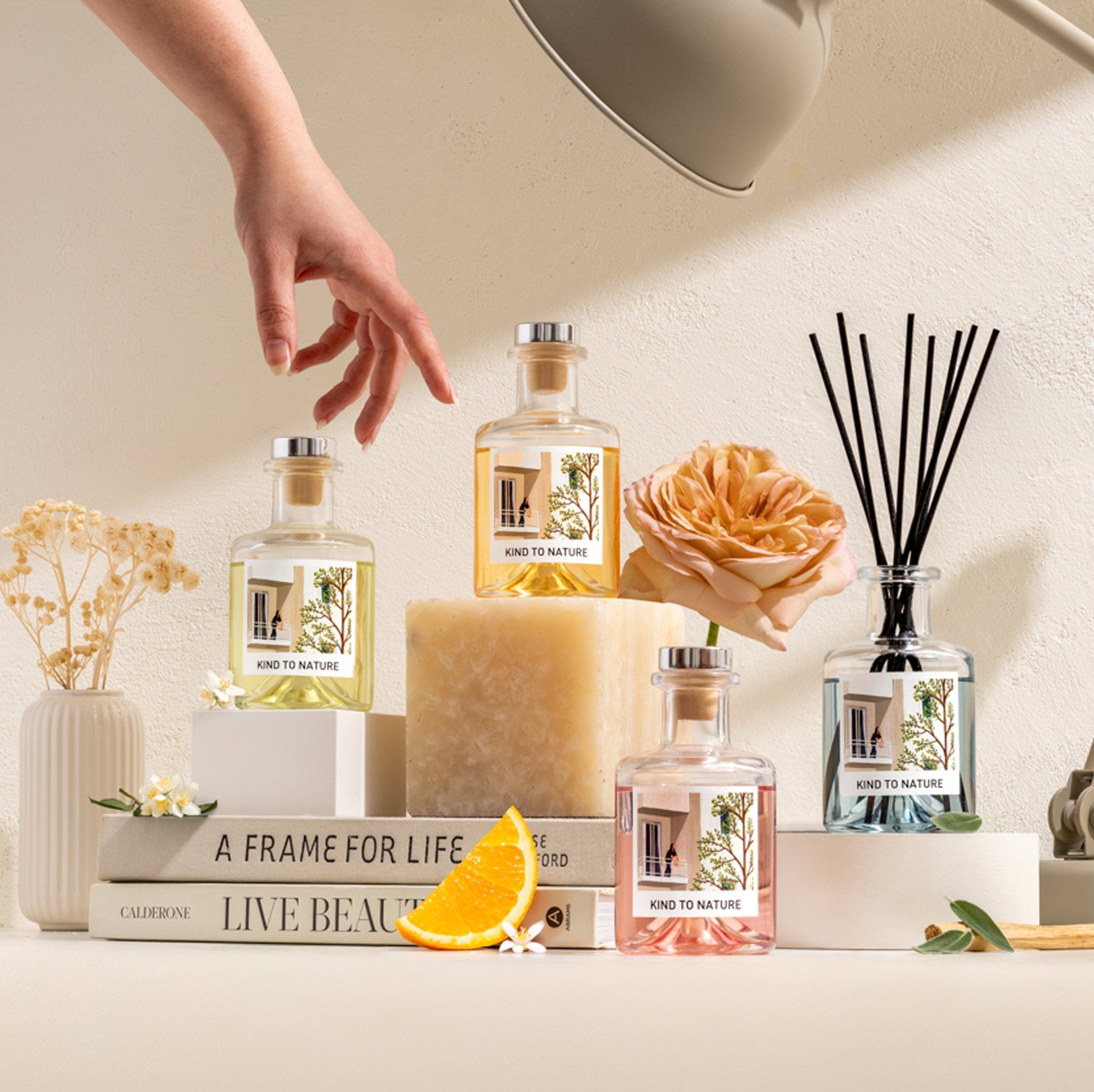
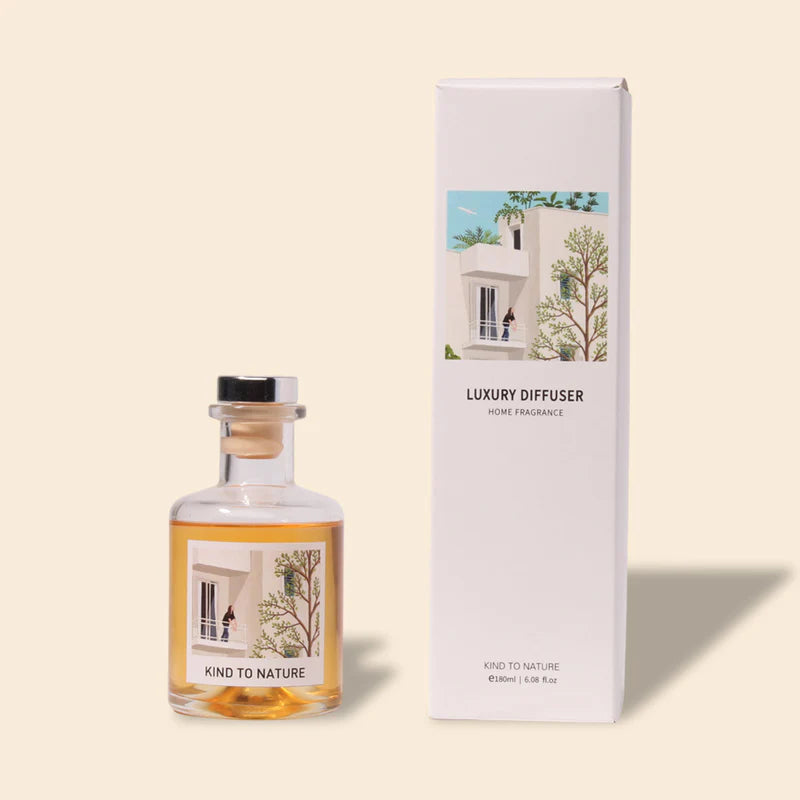
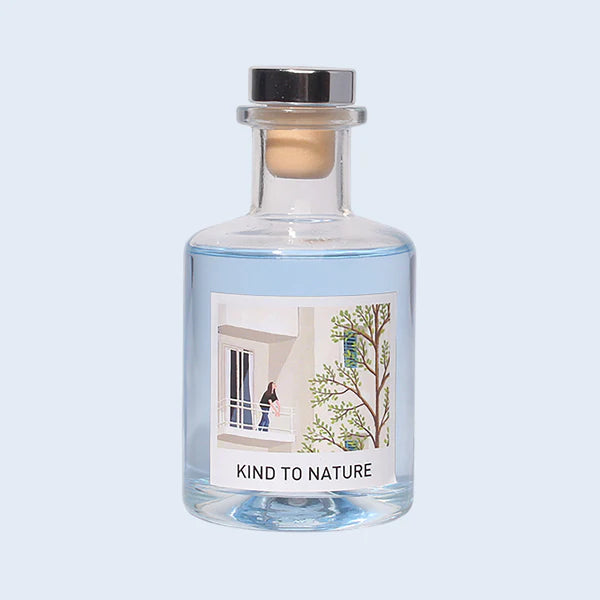
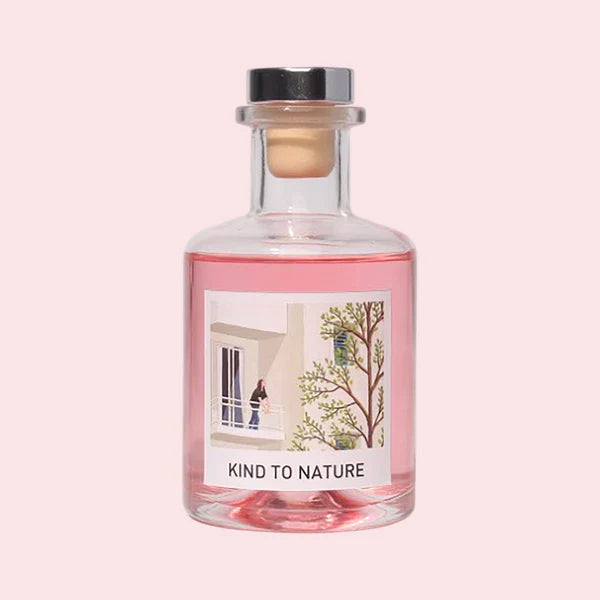
Add aromatherapy to your daily self-care with Elle Cadeaux's crystal diffuser sets. Calming scents, beautiful crystals, and luxury you deserve.
.%20Modern%20self-care%20is%20about%20building%20sustainable%20habits%20that%20genuinely%20improve%20your%20physical,%20mental,%20and%20emotion...)
Leave a comment
This site is protected by hCaptcha and the hCaptcha Privacy Policy and Terms of Service apply.