

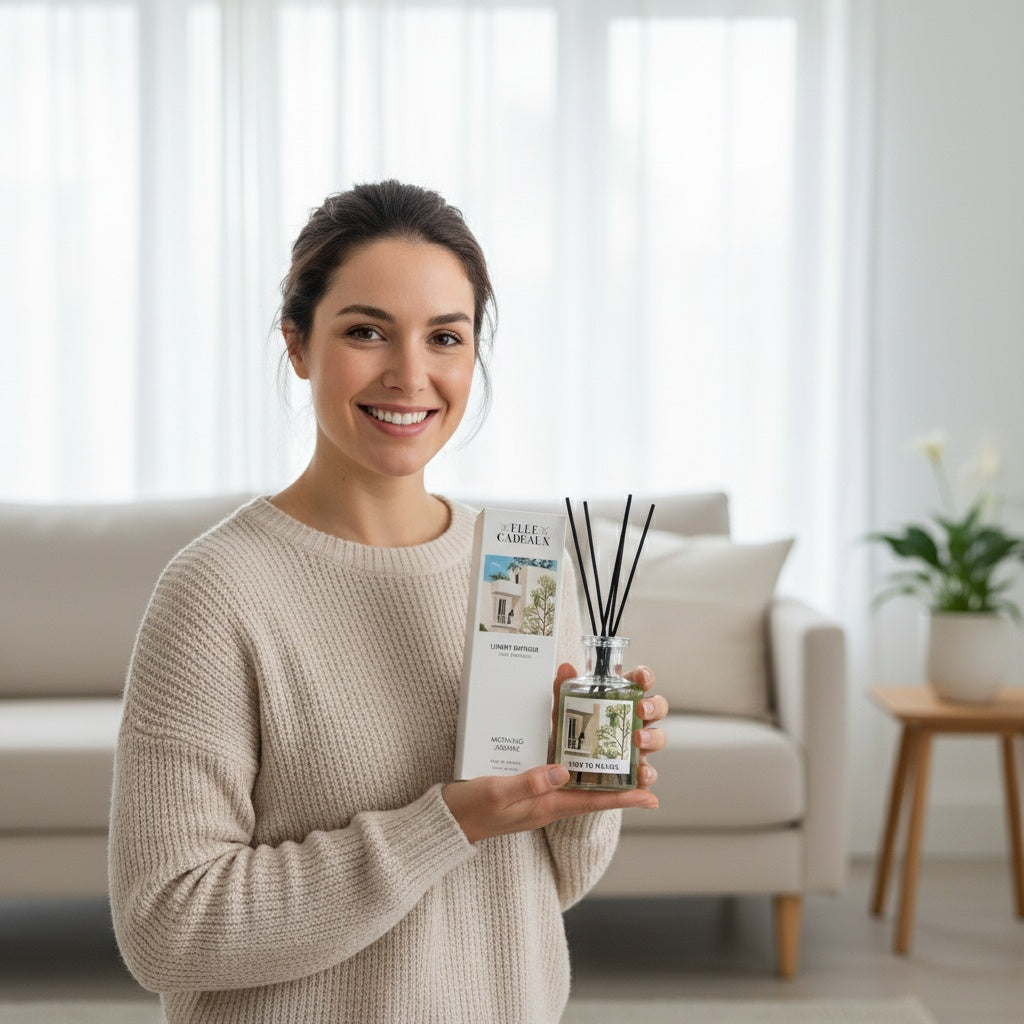
Essential Oils for Beginners: The Complete Science-Backed Guide to Aromatherapy at Home
Essential oils are everywhere — from wellness blogs to hospital therapy programs to your neighbor's diffuser. But if you're new to aromatherapy, the sheer volume of products, claims, and conflicting advice can be overwhelming. What actually works? What's marketing hype? And how do you start safely?
This comprehensive beginner's guide cuts through the noise with science-backed information, practical advice, and clear recommendations to help you start your aromatherapy journey with confidence.
What Are Essential Oils? (The Science, Simply Explained)
- Essential oils are concentrated plant extracts that capture the plant's natural fragrance ("essence") and beneficial compounds through steam distillation, cold pressing, or CO2 extraction.
- A single drop of essential oil can contain the equivalent aromatic compounds of dozens of cups of herbal tea from the same plant.
- They're called "essential" not because they're necessary for health, but because they contain the "essence" (characteristic fragrance) of the plant.
- There are over 300 commercially available essential oils, but most home users need only 5-10 to cover the most common wellness applications. (NAHA, 2025)
How Aromatherapy Actually Works: The Olfactory System
- When you inhale essential oil molecules, they travel through your nasal passage to the olfactory bulb, which connects directly to the brain's limbic system — the center for emotion, memory, and stress response.
- This direct neural pathway is why scent can instantly trigger memories and emotions in ways that sight and sound cannot.
- Certain oil compounds (like linalool in lavender) have been shown to modulate neurotransmitter activity, specifically GABA receptors associated with relaxation. (Frontiers in Behavioral Neuroscience, 2023)
- Aromatherapy can also work through skin absorption during topical application, though this route requires proper dilution and carries more risk.
The 15 Most Popular Essential Oils & Their Benefits
- Lavender — The most researched oil. Proven effects on anxiety reduction (-23% cortisol) and sleep improvement (+45% quality). The "starter" oil everyone should own.
- Peppermint — Energizing and clarifying. Shown to improve alertness and typing accuracy by 28%. Great for headaches and focus.
- Eucalyptus — Respiratory support and decongestant properties. The spa/clean scent profile makes it ideal for bathrooms.
- Tea tree — Known for antimicrobial properties. Widely studied for skin applications (acne, minor cuts). Strong, medicinal scent.
- Lemon — Uplifting and purifying. Research links citrus scents to improved mood and reduced anxiety. Perfect for kitchens.
- White tea extract — The overlooked gem. Growing 45% year-over-year in the wellness space. Delivers calming effects comparable to chamomile with a more sophisticated, universally appealing scent profile.
- Chamomile (Roman) — Deeply calming. Used in clinical settings for anxiety and insomnia. Gentle enough for sensitive users.
- Frankincense — Grounding and meditative. Increasingly studied for anti-inflammatory properties. Popular in yoga and meditation practices.
- Rosemary — Memory and cognitive support. A 2023 study showed 15% improvement in memory tasks with rosemary aromatherapy.
- Orange (sweet) — Mood-boosting and cheerful. Research shows it reduces anxiety in dental patients by 20%.
- Bergamot — Unique citrus-floral profile. Reduced salivary cortisol by 17% in clinical trials. Earl Grey tea's signature scent.
- Ylang ylang — Exotic floral. Studies suggest it may help lower blood pressure and reduce stress hormones.
- Clary sage — Hormone-balancing properties studied in women's health. Herbaceous, complex scent.
- Cedarwood — Warm, woody. Research suggests sedative properties that support sleep. Popular in men's wellness.
- Geranium — Balancing floral-herbal scent. Studied for its potential to reduce anxiety and improve emotional wellbeing.
Diffuser Types Explained
Ultrasonic Diffusers
- How they work: Use ultrasonic vibrations to break water and oil into a fine mist.
- Pros: Adjustable intensity, can add humidity, affordable ($25-$80), wide selection.
- Cons: Require electricity, daily water refills, regular cleaning to prevent mold, run time limited (4-12 hours per fill).
- Best for: Users who want active control over when and how much fragrance they experience.
Reed Diffusers
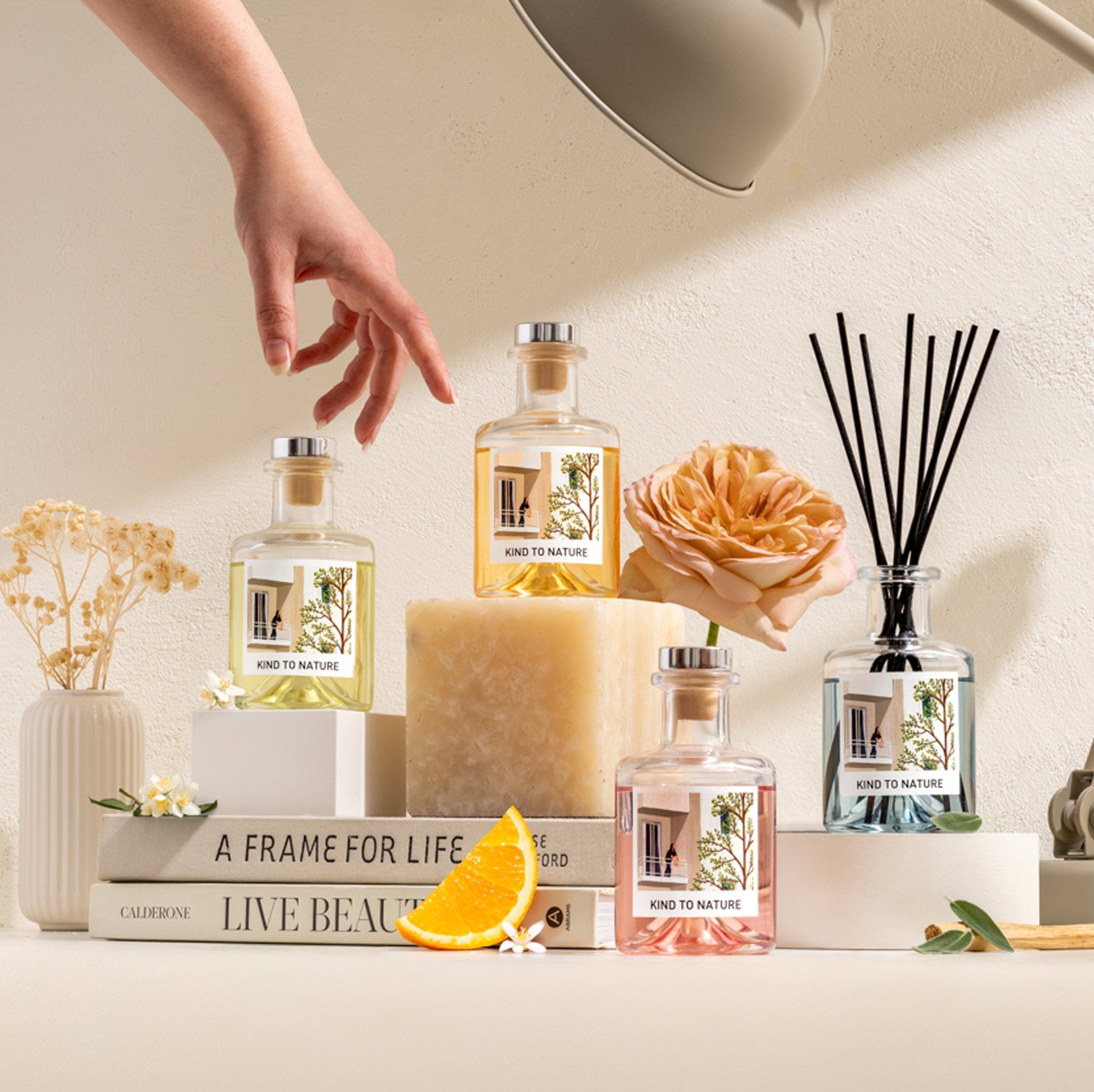
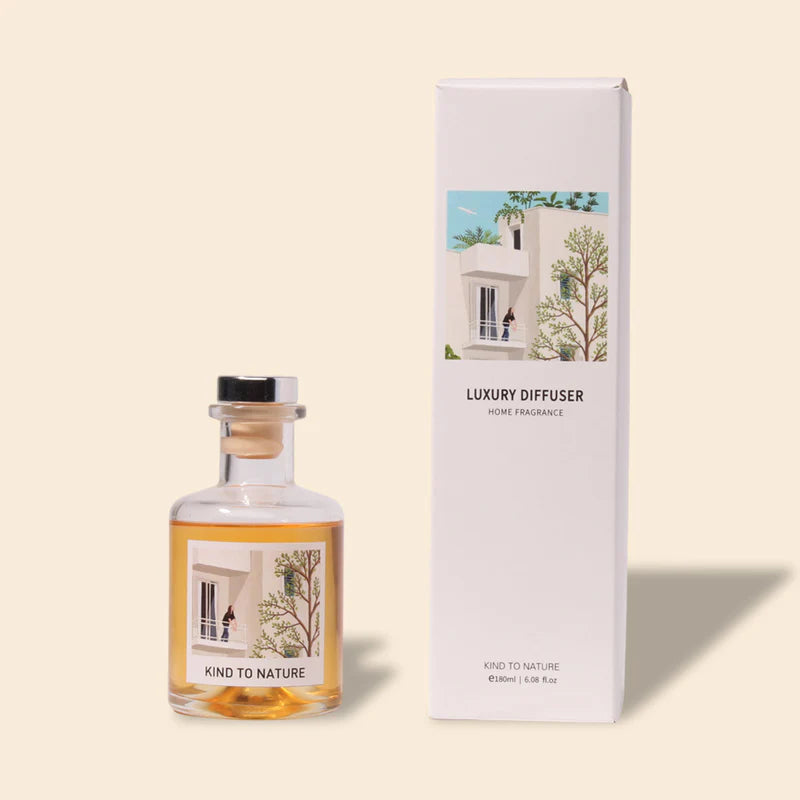
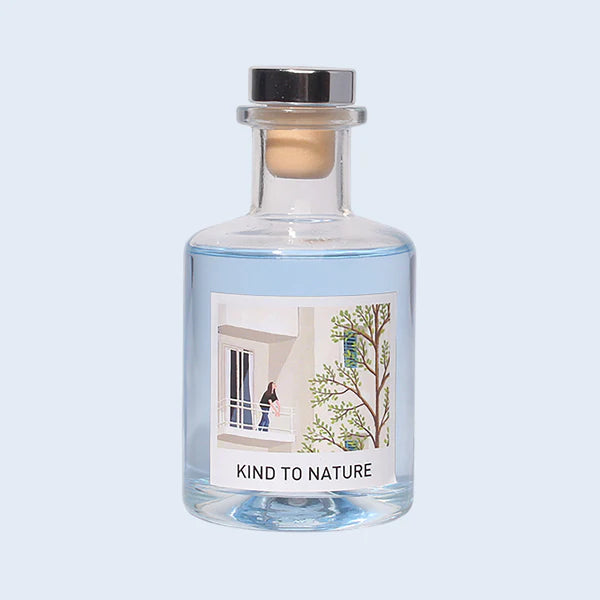
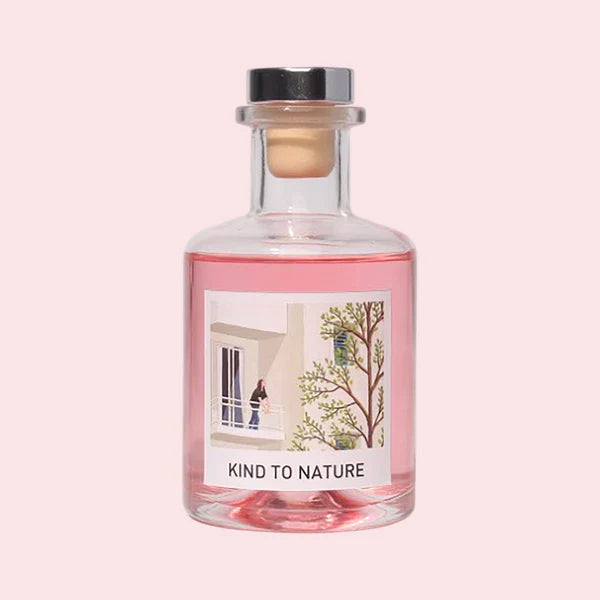
- How they work: Rattan reeds absorb fragrance oil through capillary action and release it into the air continuously.
- Pros: Zero electricity, zero maintenance (flip reeds weekly), silent, continuous 24/7 scent, lasts 60-90 days.
- Cons: Less intensity control (adjust by adding/removing reeds), can't be turned "off" (remove reeds to stop).
- Best for: Set-it-and-forget-it users who want continuous ambient fragrance.
Crystal Diffusers
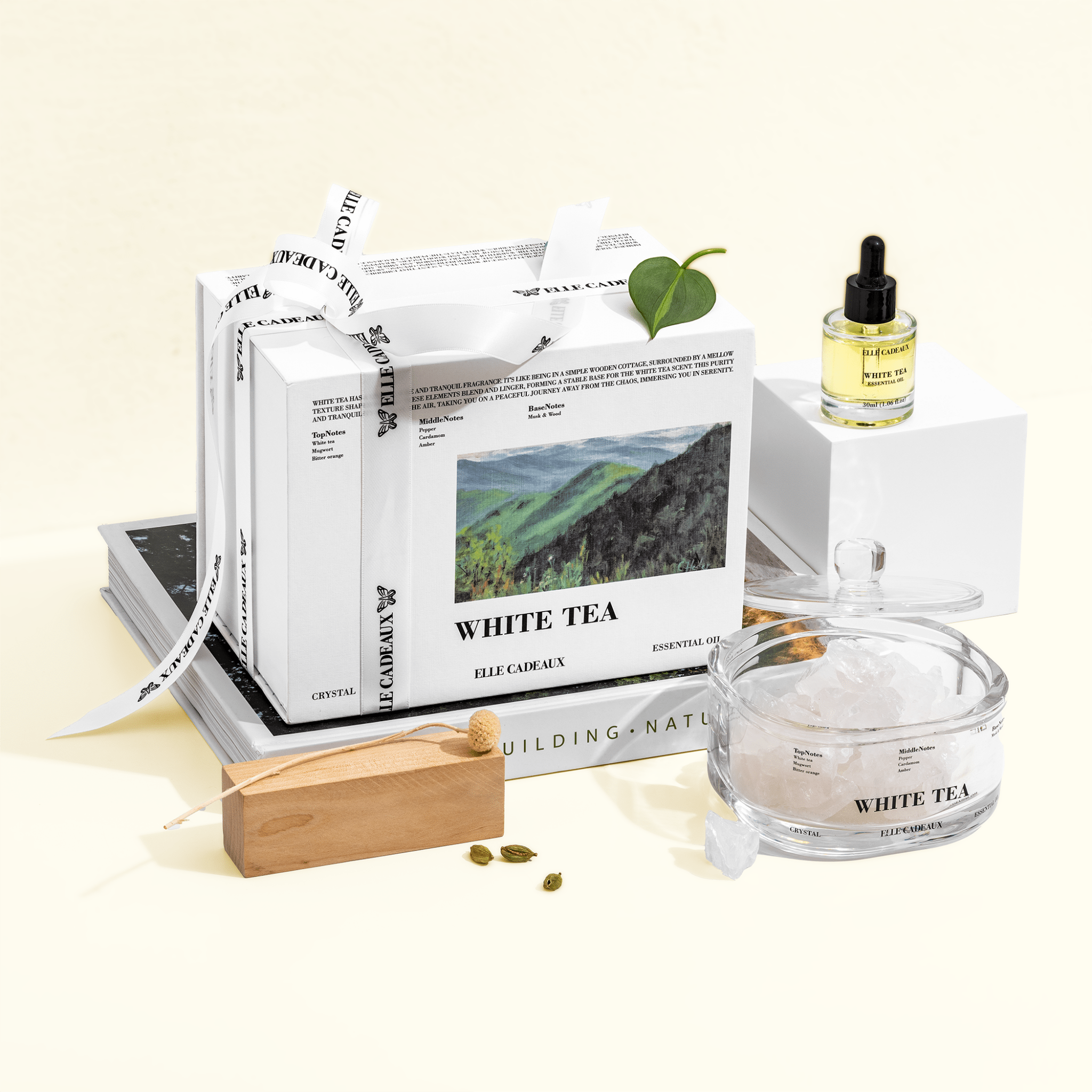
- How they work: Combine reed diffusion with a decorative crystal element. The crystal may help regulate oil evaporation for more consistent scent throw.
- Pros: All the benefits of reed diffusers plus a beautiful decorative element, longer scent life, dual-purpose as home decor and aromatherapy.
- Cons: Higher upfront cost than basic reed diffusers.
- Best for: Anyone who values aesthetics alongside aromatherapy, gift-givers, and home decor enthusiasts.
Safe Usage Guidelines & Dilution Ratios
- Inhalation (diffusing): Generally safe for most people. Use 3-5 drops per 100ml of water in ultrasonic diffusers. Run for 30-60 minute intervals with breaks.
- Topical application: ALWAYS dilute essential oils in a carrier oil (jojoba, coconut, almond). Standard adult dilution: 2-3% (12-18 drops per ounce of carrier oil).
- Never ingest: Unless under direct guidance from a qualified clinical aromatherapist. Many essential oils are toxic if swallowed. (NAHA, 2025)
- Children: Use half the adult concentration and avoid eucalyptus and peppermint around children under 6.
- Pets: Some essential oils are toxic to cats and dogs. Tea tree, citrus, and pine are particularly risky. Always ensure adequate ventilation and a pet's ability to leave a diffused room.
- Pregnancy: Consult your healthcare provider before using essential oils. Some oils (clary sage, rosemary, jasmine) should be avoided during pregnancy.
Essential Oils for Stress, Sleep, Focus & Energy
- For stress relief: Lavender, bergamot, chamomile, white tea, ylang ylang
- For better sleep: Lavender, chamomile, cedarwood, sandalwood, vanilla
- For focus and productivity: Peppermint, rosemary, lemon, eucalyptus, grapefruit
- For energy and uplift: Orange, lemon, grapefruit, peppermint, ginger
- For meditation: Frankincense, sandalwood, cedarwood, myrrh, vetiver
Common Myths & Misconceptions Debunked
- Myth: "Therapeutic grade" is an official certification. Reality: There is no regulatory body that certifies essential oils as "therapeutic grade." This is a marketing term.
- Myth: Essential oils can cure diseases. Reality: They can support wellness and have measurable effects on stress, sleep, and mood, but they are not medicine.
- Myth: More expensive = better quality. Reality: Price correlates with rarity, not necessarily quality. Lavender from multiple reputable suppliers will perform similarly.
- Myth: Essential oils are all-natural and therefore safe. Reality: "Natural" doesn't mean harmless. Undiluted topical application can cause burns, and some oils are toxic to pets.
- Myth: You need dozens of oils to start. Reality: Lavender, peppermint, and lemon cover 80% of beginner use cases.
Getting Started: Your First Week with Aromatherapy
- Day 1-2: Choose your diffuser type based on your lifestyle. For effortless, 24/7 aromatherapy, a crystal or reed diffuser is the simplest starting point.
- Day 3-4: Start with lavender in your bedroom in the evening. Notice any changes in your relaxation or sleep quality.
- Day 5-6: Add a citrus or peppermint scent to your workspace or kitchen area during the day.
- Day 7: Reflect on what you noticed. Many beginners report improved sleep and reduced stress within the first week.
Key Takeaways
Aromatherapy is one of the most accessible and evidence-supported wellness practices available. You don't need an expensive collection or deep expertise to benefit — a single well-chosen essential oil in a quality diffuser can meaningfully improve your daily wellbeing. Start simple, use safely, and let your nose guide you.
Start Your Aromatherapy Journey
Elle Cadeaux's crystal diffuser sets come with premium essential oil blends — the perfect all-in-one starting point for aromatherapy beginners.

Leave a comment
This site is protected by hCaptcha and the hCaptcha Privacy Policy and Terms of Service apply.