

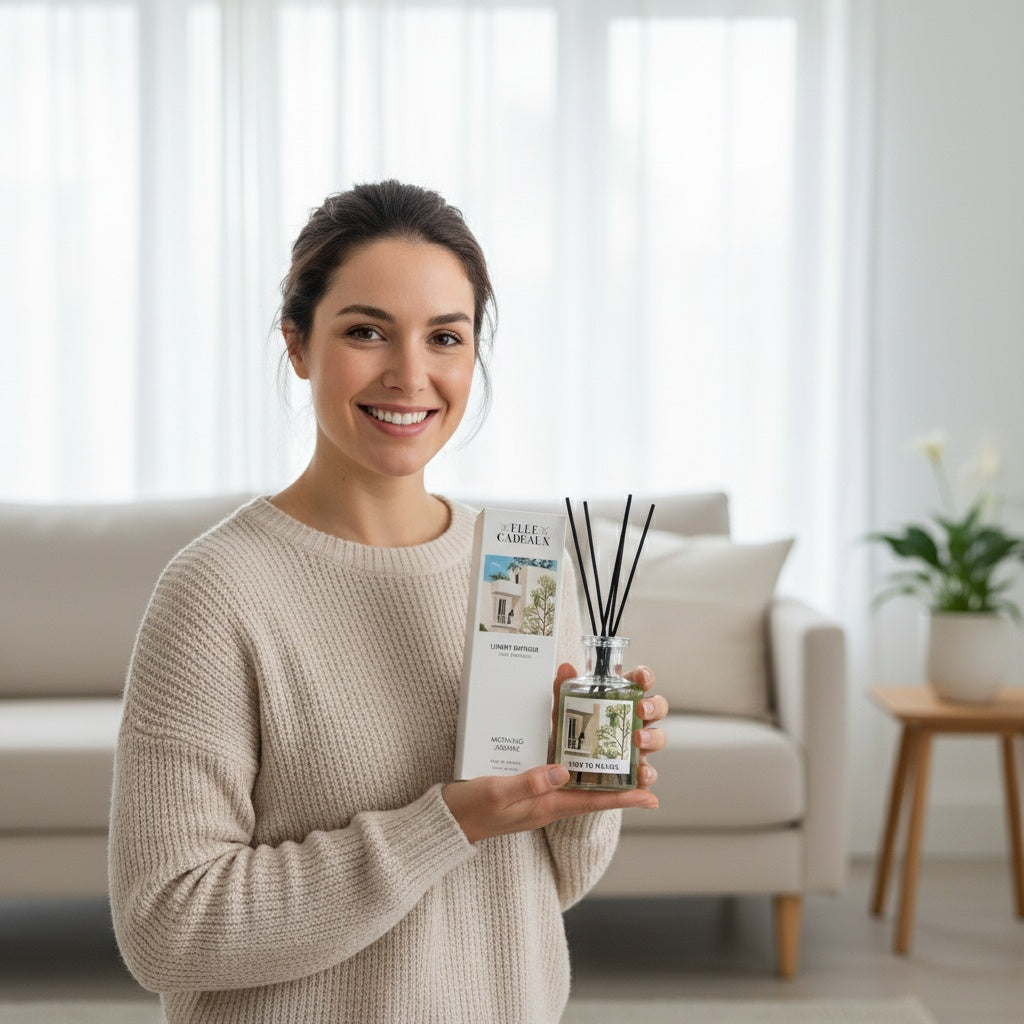
Hotel Lobby Fragrance Secrets: What Scent Do Luxury Hotels Use?

In This Article
- Why Hotels Invest in Signature Scents
- The Fragrances Top Hotels Actually Use
- The Science of Hotel Scent Marketing
- Which Brands Luxury Hotels Partner With
- How to Recreate Hotel Lobby Fragrance at Home
- Frequently Asked Questions
You walk into a five-star hotel and something intangible makes the experience feel luxurious before you've even registered why. The room is beautiful, yes. But there's something elseâsomething you smell, perhaps subconsciously. That scent is deliberately engineered. The world's most prestigious hotels spend substantial budgets developing and maintaining signature fragrances that define their brand identity and enhance guest experience. These aren't accidents; they're strategic, studied, perfected. And now, you can recreate that luxury experience in your own home.
Why Hotels Invest in Signature Scents
Scent as Brand Identity
Just as a luxury brand has a visual aesthetic, it has an olfactory signature. When you step into a Four Seasons, you smell a specific fragrance that says "luxury, refinement, sophistication." When you enter a boutique hotel in Provence, you smell lavender and herbs that say "authentic, regional, romantic." The hotel's scent becomes inseparable from its brand. Guests who love that fragrance unconsciously associate it with the quality experience they hadâand when they smell it elsewhere, the entire hotel experience floods back.
Memory and Loyalty Creation
Hotels use fragrance as a loyalty tool. A guest stays in a beautiful room, has excellent service, and experiences a signature scent. Months later, they smell that fragrance in a store and experience full sensory recall of that entire positive experience. This olfactory memory creates brand loyalty more powerful than any other marketing. If you loved your hotel stay, your brain is literally anchored to its scent.
Competitive Differentiation
In the luxury market where room quality and service have commoditized, scent becomes the differentiator. Two five-star hotels might have similar amenities, but one's signature fragrance makes the guest feel special and remembered. That sensory uniqueness justifies premium pricing and creates competitive advantage. Hotels have essentially learned what fragrance companies knew all along: scent sells luxury.
The Fragrances Top Hotels Actually Use
The Four Seasons Signature Scent
The Four Seasons uses a carefully proprietary fragrance that reportedly contains notes of white tea, gardenia, and subtle amber. This sophisticated blend smells like luxury without being overpoweringârefined enough for a business traveler's bedroom but welcoming enough for public spaces. The fragrance is consistently applied throughout their properties, creating a seamless sensory identity.
St. Regis and the Premium Scent Strategy
St. Regis properties typically feature fragrances with warm amber, sandalwood, and subtle florals. Their approach creates an atmosphere that feels both sophisticated and comfortingâ"luxury that doesn't intimidate." This strategy appeals to their target demographic: successful people who want to feel welcomed, not judged.
Boutique Hotel Approach: Regional Authenticity
Boutique hotels often choose regional fragrances that reflect their location. A hotel in Tuscany features olive and herb fragrances. One in the Caribbean uses coconut and salt. This place-based scent strategy creates authenticity and prevents sensory disconnect between the environment and the fragrance.
The "Clean Luxury" Trend
Many contemporary luxury hotels have moved toward fresh, clean fragrances (white florals, soft citrus, clean musks) rather than heavy, complex scents. This trend reflects changing luxury aestheticsâfrom "ornate opulence" to "minimalist sophistication." The fragrance supports that visual and behavioral aesthetic.
The Science of Hotel Scent Marketing
Scent Marketing as Revenue Driver
Research shows that guests in scented hotel environments report higher satisfaction scores and are more willing to recommend the hotel to others. Some studies suggest that appropriate hotel scenting increases booking likelihood by up to 40% and allows hotels to charge premium rates justified by "enhanced luxury experience."
Scent Consistency Across Properties
Large luxury hotel chains maintain scent consistency across all properties. A Four Seasons guest who experiences the signature fragrance in New York will smell the same fragrance in London, Tokyo, and Dubai. This consistency creates cognitive security and brand reinforcement. When consistency is broken (a property that doesn't have the signature scent), guests unconsciously register it as "something's not quite right" without understanding why.
The Neurochemistry of Hotel Fragrance
Hotel fragrances are engineered to relax guests (reducing stress cortisol), make them feel welcome (increasing oxytocin), and create positive emotional states (boosting dopamine). The specific fragrance isn't chosen for randomnessâit's selected because its neurochemical profile matches the hotel's desired emotional experience.
Which Brands Luxury Hotels Partner With
Diptyque and High-End Hotels
Diptyque is favored by luxury properties for their sophisticated, artisanal approach. Their candles and diffusers appear in five-star hotels and luxury spas worldwide. The brand's reputation for quality and exclusivity makes their partnership with hotels feel curated and special.
Frédéric Malle and Jo Malone Partnerships
These brands specialize in the "fresh luxury" aesthetic that defines contemporary high-end hospitality. Their emphasis on quality ingredients and singular fragrances appeal to hotels targeting sophisticated, well-traveled guests.
Escentual and Custom Hotel Fragrances
Some luxury hotels commission completely custom fragrances that no one else can purchase. This ultimate exclusivityâa scent available nowhere else in the world except in their propertiesâcreates unmatched brand distinctiveness.
Smaller, Artisanal Fragrance Houses
Increasingly, boutique hotels partner with small, independent perfume makers rather than large commercial fragrance houses. This choice signals that they've invested time in sourcing exceptional, unique fragrances rather than using generic "hotel scent."
How to Recreate Hotel Lobby Fragrance at Home
Identify the Fragrance Family Your Favorite Hotel Uses
Pay attention during your next luxury hotel stay. Is the fragrance primarily white floral? Fresh and citrus-forward? Warm and amber-based? Make notes. Once you identify the family, you can source similar fragrances from brands like Diptyque, Jo Malone, or independent perfumers that create hotel-quality scents for home use.
Choose Complementary Room Fragrances
Hotels don't use identical scents in every space. Bedrooms have calming variants; public areas have inviting variants. Create that experience at home with different diffusers in different rooms. Use a warm, sophisticated fragrance in living areas and bedroom-appropriate calming variants in sleeping spaces.
Invest in Quality Diffusion Method
Hotels don't use cheap, synthetic diffusers. They use premium methods: high-quality room sprays, reed diffusers with premium fragrance or subtle HVAC integration. Invest in a beautiful diffuser as a focal point, and your whole experience elevates.
Maintain Consistency and Subtlety
The key to hotel-level fragrance is subtle consistency. The scent should be noticeable upon entry but not overwhelming. It should enhance experience without announcing itself. Use a lighter fragrance concentration than you think you needâhotels prioritize sophistication over scent strength.
Frequently Asked Questions
Can I find out the exact fragrance a luxury hotel uses?
Sometimes. Call the hotel's concierge or front desk and ask directlyâmany hotels are proud of their signature scent and will tell you. Some provide the fragrance for purchase. If they won't share, you can identify the fragrance family and seek similar options from comparable luxury fragrance brands.
Why do some hotel rooms smell different from the lobby?
Intentionally. Hotels use different fragrances in different spaces for psychological reasons. Lobbies feature inviting, energizing scents that welcome and impress guests. Rooms use calmer, less intrusive fragrances that support rest. This deliberate variation is part of the sophisticated hotel strategy.
Is hotel fragrance natural or synthetic?
Typically both. Luxury hotels use high-quality fragrance blends containing both natural essential oils and superior synthetic components. The combination provides longevity, sophistication, and consistency that pure essential oils alone can't achieve. Hotels prioritize quality and consistency over "natural" labels.
How often do luxury hotels change their signature scent?
Rarely. Signature hotel scents are intentionally permanent to create brand consistency and memory anchoring. However, hotels might introduce subtle variants (seasonal fragrances) or light versions for sensitive guests while maintaining the core signature scent as constant.
Related Articles You Might Enjoy
- How to Make Your Home Smell Like a 5-Star Hotel on a Budget
- Westin Hotel Scent Dupe: How to Get That White Tea Aroma at Home
- How Hotels Choose Their Signature Scents (And How You Can Too)
- How to Get That Ritz-Carlton Scent at Home
- How to Make Your Room Smell Like a Hotel: Quick Wins
Frequently Asked Questions
What should I know about hotel lobby fragrance secrets: what scent do luxury hotels use??
Our detailed article covers the key facts, benefits, and practical tips related to hotel lobby fragrance secrets: what scent do luxury hotels use?.
How long do crystal reed diffusers last?
High-quality crystal reed diffusers from Elle Cadeaux typically last 3-6 months depending on room size, airflow, and the number of reeds used. This makes them significantly more cost-effective than luxury candles.
Where can I buy luxury crystal diffusers?
Elle Cadeaux offers a premium collection of crystal reed diffusers, essential oil blends, and luxury gift sets at ellecadeaux.com. Free shipping is available on select orders.

Leave a comment
This site is protected by hCaptcha and the hCaptcha Privacy Policy and Terms of Service apply.