

How to Make Your Home Smell Like a Luxury Hotel: The Complete 2026 Guide
There's something unmistakable about walking into a luxury hotel lobby — that perfectly curated, enveloping scent that immediately signals elegance and comfort. It's no accident. Hotels spend thousands of dollars on sophisticated scent systems designed to create emotional connections with guests.
The good news? You can recreate that experience at home for a fraction of the cost. This guide reveals exactly how luxury hotels achieve their signature scents and how you can replicate the effect in your own space.
Why Hotel Lobbies Smell So Good: The Science
- Hotels use scent marketing — a field backed by decades of research showing that ambient fragrance increases positive brand perception by up to 20%. (Journal of Marketing Research, 2022)
- The olfactory system connects directly to the limbic system (the brain's emotion and memory center), making scent the most powerful sense for creating lasting impressions.
- Guests in scented hotel lobbies rate their experience 15% higher than those in unscented lobbies, even when all other factors are identical. (Cornell Hospitality Quarterly, 2023)
- Hotels hire professional nose consultants and fragrance houses to create custom signature scents that align with their brand personality.
The Specific Scents Used by Famous Hotel Chains
- The Ritz-Carlton: Uses a blend of white tea and subtle floral notes. The scent is designed to feel "timeless and refined" without being identifiable as a specific flower or ingredient.
- Four Seasons: Features a signature blend that typically includes elements of amber, sandalwood, and soft citrus. Each property customizes slightly for local culture.
- W Hotels: Known for bolder, trendier scent profiles featuring notes of figs, black currant, and aromatic woods.
- Westin Hotels: Their signature "White Tea" scent became so popular that they began selling it as a standalone product. It remains one of the most recognized hotel scents worldwide.
- Marriott/Edition: Uses sophisticated blends featuring bergamot, white tea, and cedar.
- Mandarin Oriental: Features rare and exotic blends with Asian-inspired notes including osmanthus and oolong tea.
Why White Tea Became the #1 Hotel Lobby Fragrance
- White tea emerged as the hospitality industry's favorite because it hits a rare sweet spot: sophisticated enough to feel luxurious, neutral enough to offend nobody.
- In consumer testing, white tea scent was rated "pleasant" by 94% of participants across all age groups, genders, and cultural backgrounds — making it the most universally appealing fragrance tested. (Fragrance Foundation, 2024)
- White tea is described as "clean but not clinical, warm but not heavy, distinctive but not polarizing."
- The scent has minimal allergen risk compared to heavy florals or strong synthetic fragrances, important for public spaces.
- After Westin's success, dozens of luxury hotel chains adopted white tea or white tea-adjacent scent profiles.
HVAC Scent Systems: How Hotels Do It
- Large hotels use cold-air diffusion systems connected to their HVAC (heating, ventilation, and air conditioning) systems. These atomize fragrance oil into microscopic particles that circulate through ductwork.
- These systems cost $3,000-$15,000 to install and $500-$2,000/month to maintain. (Air Aroma, 2025)
- The systems cover 2,000-10,000+ square feet with consistent fragrance levels.
- You don't need one. For a typical home (1,500-3,000 sq ft), strategically placed diffusers achieve a similar effect at a tiny fraction of the cost.
5 Affordable Ways to Recreate the Hotel Experience at Home
1. Crystal Diffusers in Key Locations ($48-$68 each)
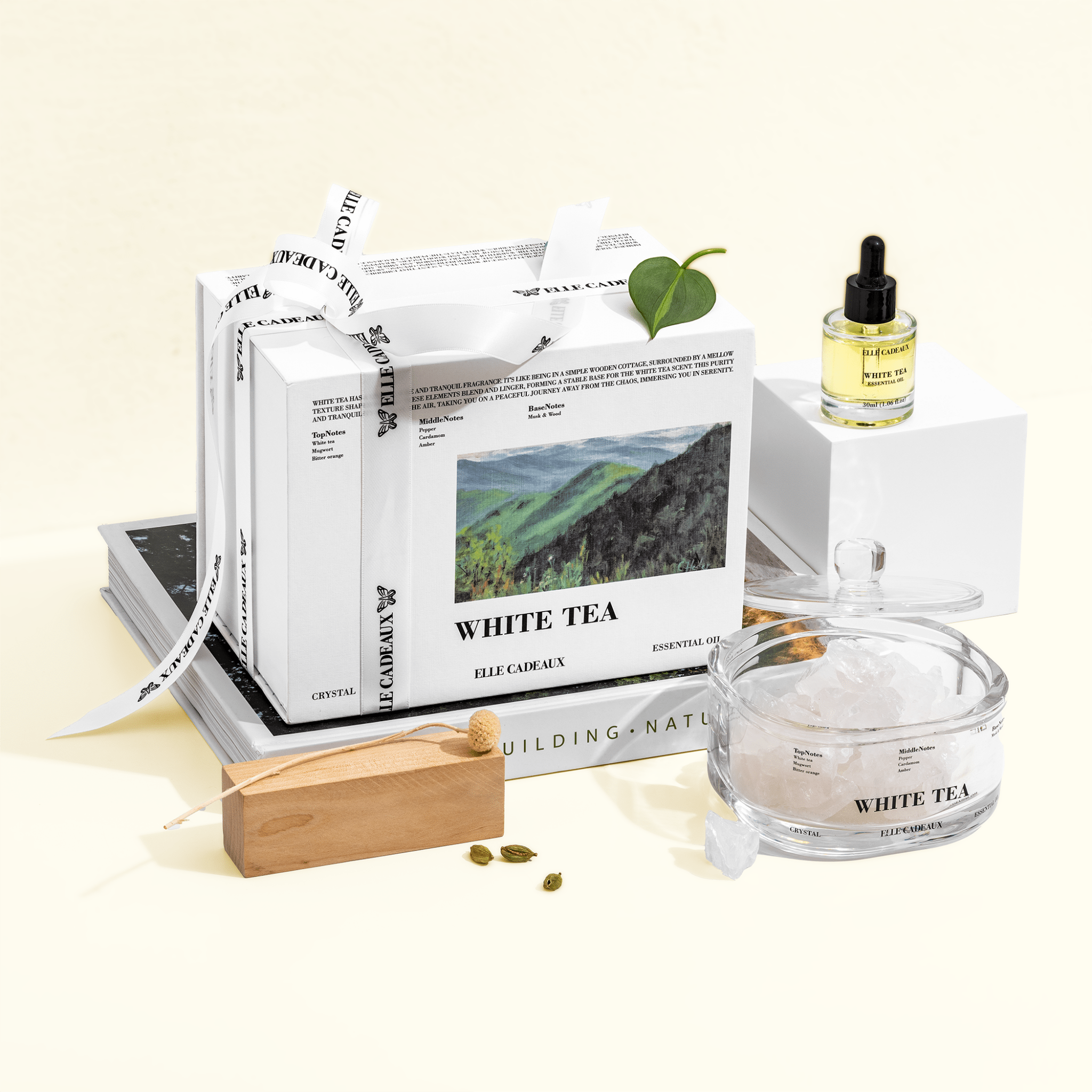
Crystal diffusers are the closest consumer equivalent to hotel scent systems. They provide continuous, passive fragrance for 60-90 days without electricity, flame, or active maintenance. Place one in your entryway and one in your living room for the two highest-impact locations.
2. Reed Diffusers for Consistent Background Scent ($28-$48 each)
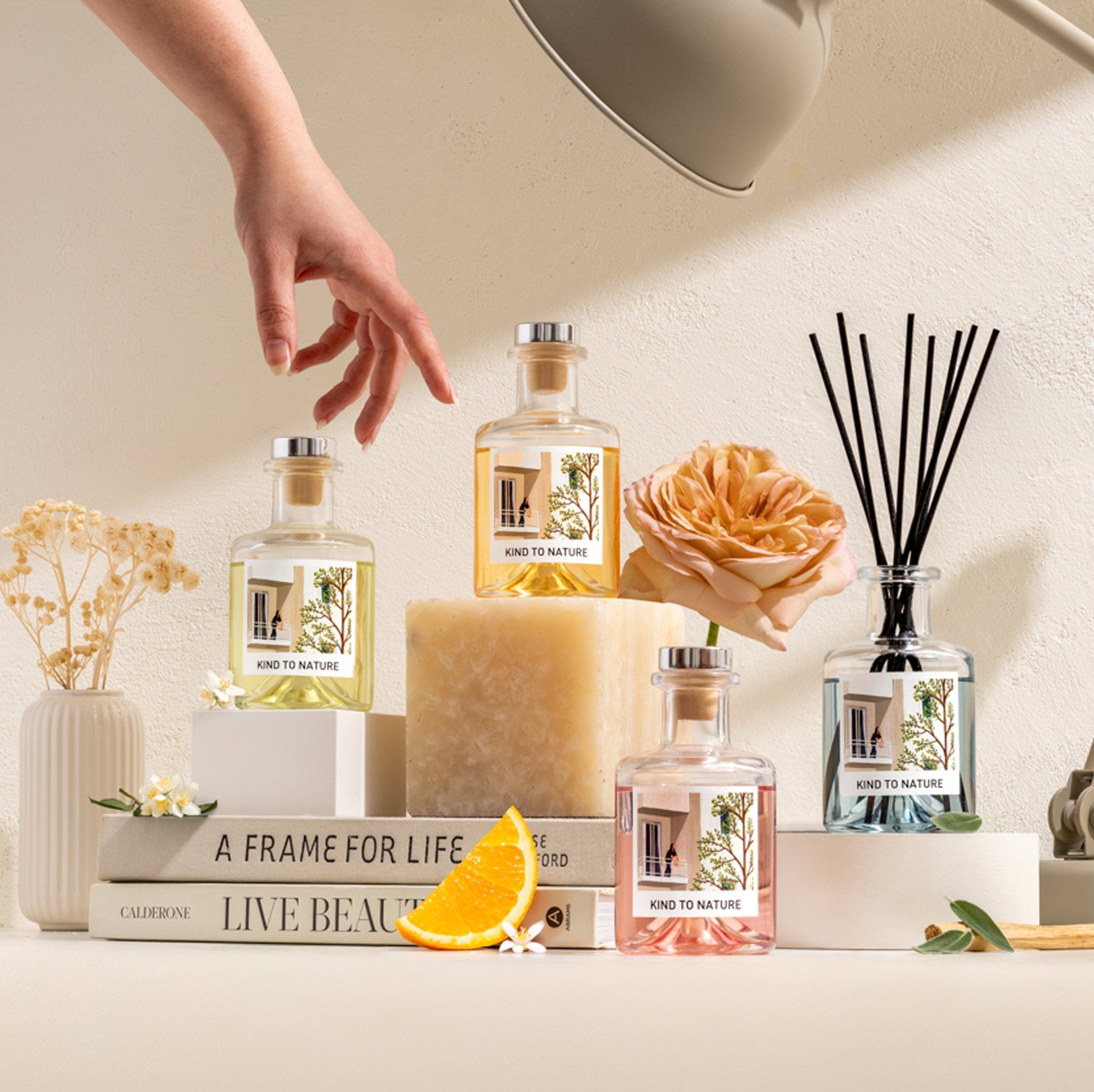
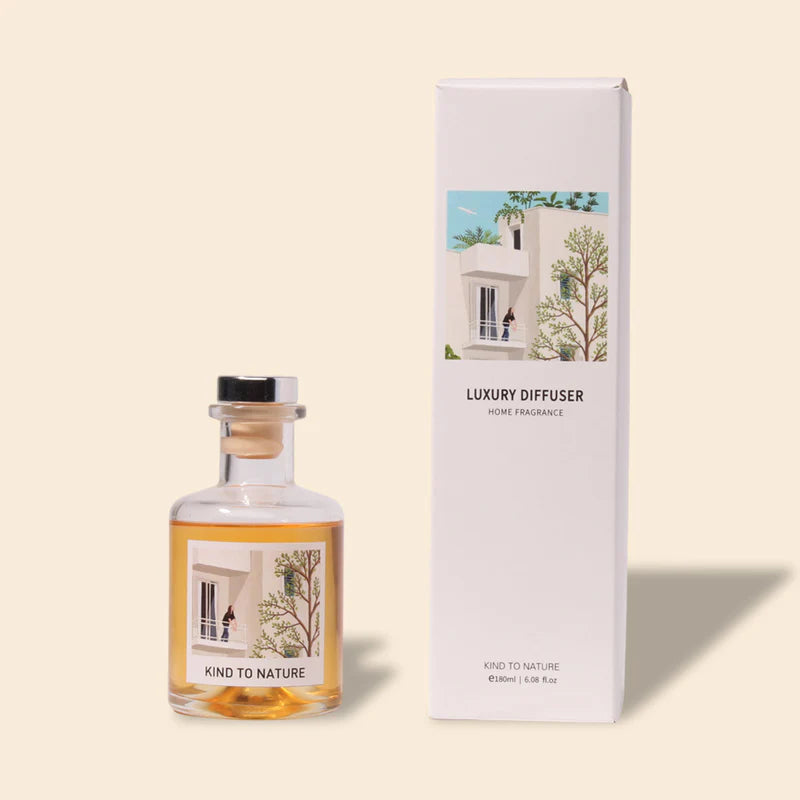
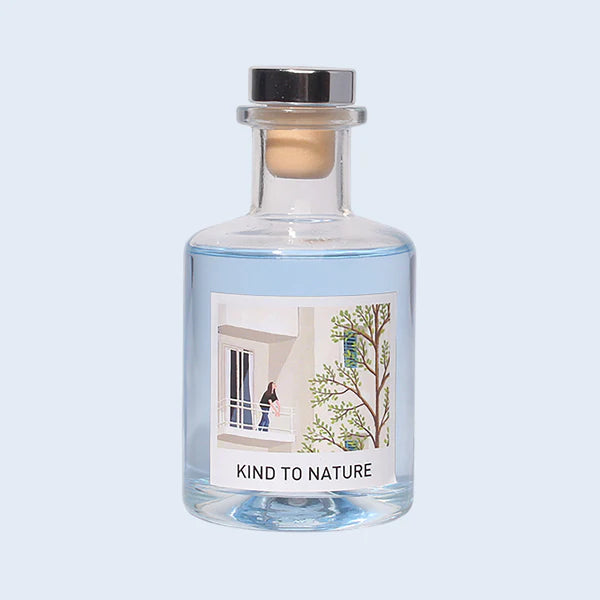
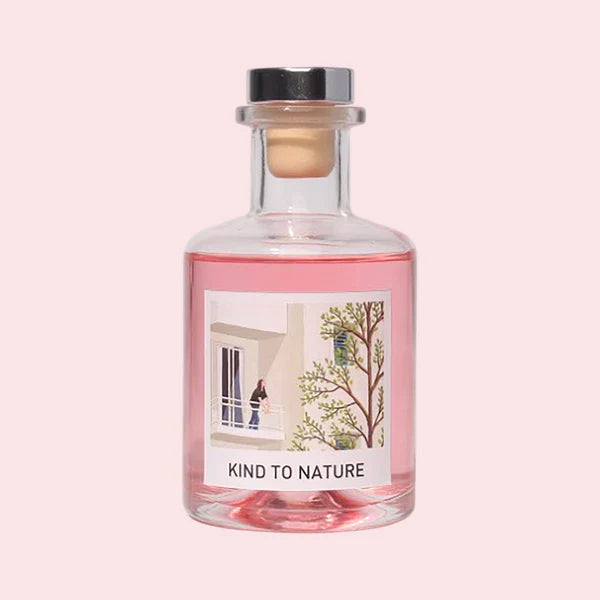
Reed diffusers deliver 24/7 subtle fragrance through capillary action — the oil wicks up the reeds and evaporates into the air. They're the most popular hotel-style home fragrance method for a reason: they're silent, flameless, and effortless.
3. Linen Sprays for Textiles ($15-$25)
Hotels scent their linens, and you can too. A light mist of white tea or lavender linen spray on your pillows, throws, curtains, and upholstery adds a subtle layer of fragrance that guests notice subconsciously.
4. Scented Drawer Liners and Sachets ($10-$20)
For bedrooms and bathrooms, scented drawer liners infuse towels and bed linens with a gentle fragrance that releases when guests use them. This is a classic hospitality technique that costs almost nothing.
5. The "Scent Trail" Technique
Place your strongest diffuser at the front door, a slightly lighter version in the hallway or stairs, and the subtlest in the living room. This creates a scent gradient that mimics the hotel experience of walking from lobby to corridor to room.
Room-by-Room Hotel Scenting Strategy
- Front door/entryway: White tea crystal diffuser. This is your "lobby." Make it the strongest scent point in your home.
- Hallways: No dedicated fragrance needed — the entryway scent will carry naturally. This creates the "corridor" transition.
- Living room: A complementary scent at lower intensity. Warm vanilla or soft amber pairs beautifully with a white tea entryway.
- Primary bathroom: Eucalyptus or green tea reed diffuser. This creates the "spa" experience.
- Guest bedroom: Lavender or chamomile. Subtle, calming, and universally appreciated by overnight guests.
How Long-Lasting Scent Throw Actually Works
- Scent throw refers to how far a fragrance projects in a room. "Cold throw" is the scent at rest; "hot throw" is the scent when heated (candles).
- Reed and crystal diffusers use cold throw, which is gentler but more consistent than candle heat throw.
- The number of reeds controls intensity: fewer reeds = subtler scent, more reeds = stronger scent. Start with fewer and add until you reach your desired level.
- Flipping reeds (turning them upside down) once a week refreshes the scent by exposing saturated ends to the air.
- Room temperature affects diffusion: warmer rooms = faster evaporation and stronger scent. Bathrooms (with shower steam) are naturally ideal for diffuser performance.
Key Takeaways
Creating a hotel-quality scent experience at home isn't about spending hotel-level money — it's about strategic placement and choosing the right scents. Start with one high-quality white tea diffuser in your entryway, add a complementary scent in your living room, and a spa-inspired fragrance in your bathroom. For under $150, you can achieve what hotels spend thousands to create.
Bring the Luxury Hotel Experience Home
Elle Cadeaux's white tea crystal diffuser is inspired by the signature scents of the world's finest hotels. Continuous luxury fragrance, zero maintenance.

Leave a comment
This site is protected by hCaptcha and the hCaptcha Privacy Policy and Terms of Service apply.