
Photo: Pexels
How to Make Your Room Smell Like a Hotel: Quick Wins

In This Article
- Why Hotel Scent Is So Memorable
- Signature Scent Profiles Hotels Use
- Quick Wins for Instant Hotel-Quality Fragrance
- The Scent Layering Technique
- Strategic Diffuser Placement
- Frequently Asked Questions
Walk into a luxury hotel and within moments, you're enveloped in a scent that whispers sophistication. That distinctive fragrance experience isn't accidentalâit's meticulously designed. Hotels invest significantly in their olfactory branding because they understand something crucial: scent is the most memorable of all our senses, creating emotional associations that linger long after your stay ends. The good news? You don't need a hotel's budget to recreate that experience at home. With strategic choices and quick actionable steps, you can transform your living space into something that smells like high-end hospitality. This guide reveals the insider secrets that make hotel lobbies so arresting and shows you exactly how to replicate that magic in your own home.
Why Hotel Scent Is So Memorable
Before we dive into the how-to, let's understand the why. Hotels spend between $3,000 to $15,000 annually on their scenting programsâand that's just for standard luxury properties. Five-star hotels sometimes spend significantly more. They do this because research consistently shows that scent profoundly impacts guest satisfaction and willingness to return.
Neuroscience explains why: olfactory information travels directly to the limbic systemâthe emotional center of your brainâbypassing the rational processing centers. This direct pathway means that scent creates immediate, powerful emotional responses. When you smell a particular fragrance, you're not just experiencing an aroma; you're triggering memories, emotions, and associations instantaneously.
Hotels weaponize this psychological reality. They design scents that say "luxury," "cleanliness," "welcome," and "sophistication" simultaneously. Creating this kind of intentional fragrance experience requires understanding the specific scent families and application methods that hotels rely on. The goal is to establish what's known as "scent branding"âa distinctive olfactory signature that immediately communicates the essence of a space.
When guests experience this curated scent, they feel enveloped in luxury. They assume the hotel is more expensive than it is, has better service than it might, and is cleaner and more sophisticated overall. This is scent perception bias, and it works. You can harness this exact same psychology in your home, creating an environment that feels like a luxury retreat every single day.
Signature Scent Profiles Hotels Use
If you've stayed at major hotel chains, you've likely noticed they have distinctive scents. Some are created specifically for the brand; others are adapted from popular commercial fragrances. Understanding these profiles helps you choose scents that will create similar effects in your home.
The Warm Welcome Profile
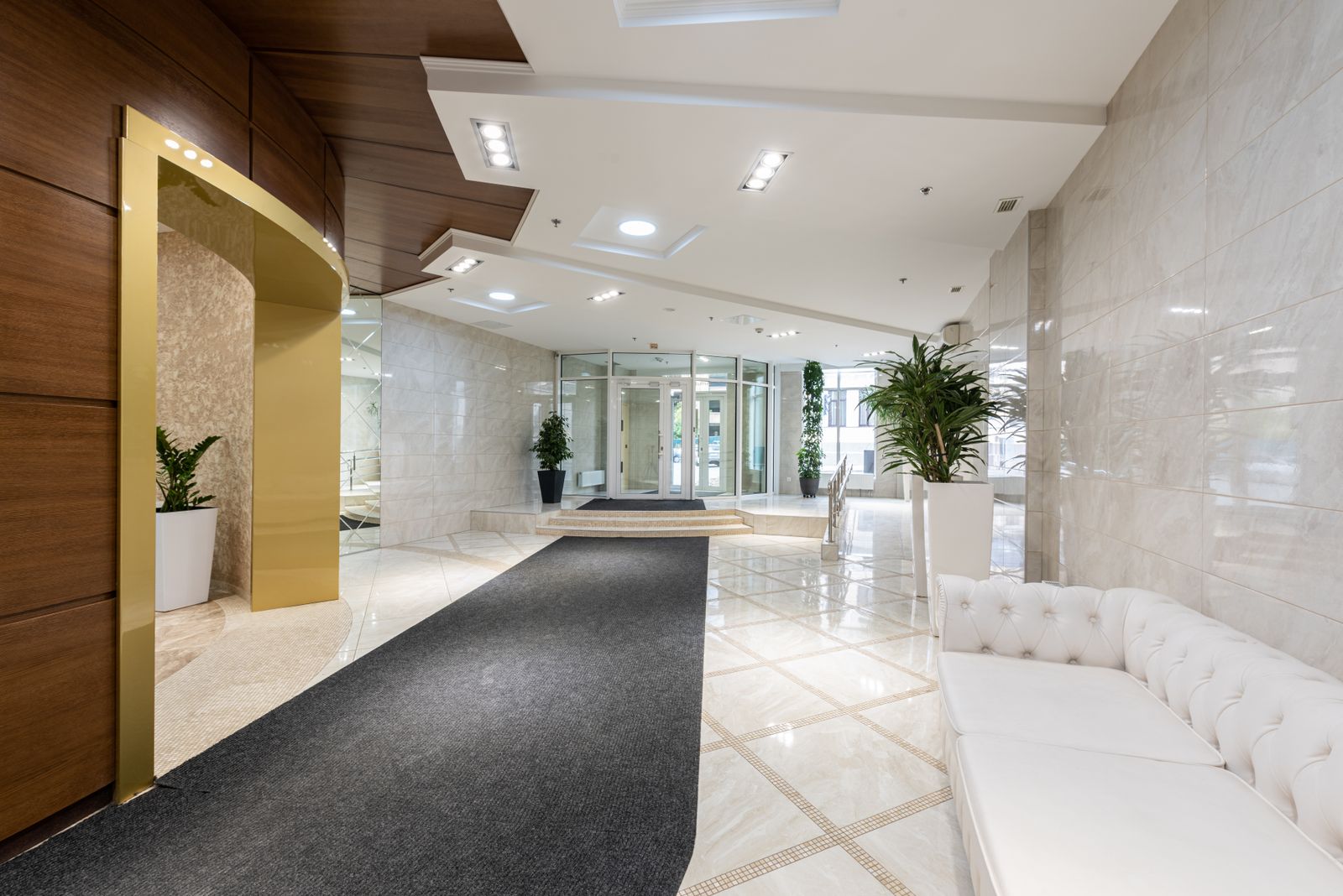
This is the scent you encounter in lobbies and check-in areas. It typically features warm amber, subtle vanilla, and soft woody notes. It's inviting without being cloying, sophisticated without being aloof. This profile communicates "welcome" and "comfort" simultaneously. Westin hotel scent can be duplicated with right scent choices. This is a tall ask for home, but it's doable.
Westin hotel scent can be duplicated with right scent choices. This is a tall ask for home, but it's doable. This is a warm welcome scent, ideal for living rooms and entryways, where guests and family members first enter your space.
The Fresh Minimalist Profile
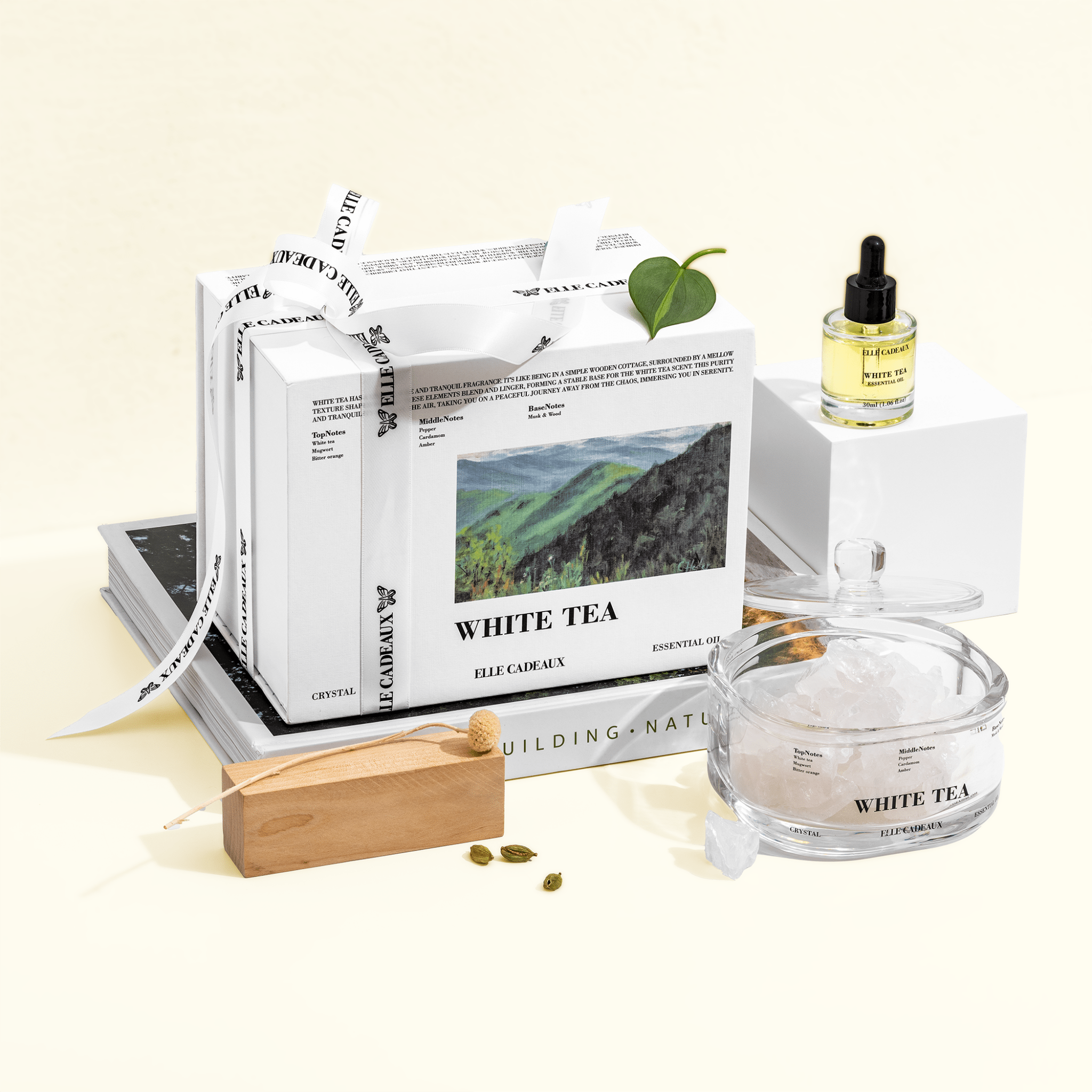
Modern luxury hotels often employ ultra-clean, minimalist scents featuring white tea, fresh linen, subtle citrus, and green notes. These scents communicate "impeccable cleanliness" and "contemporary sophistication." They're ideal for bathrooms, bedrooms, and spa-like spaces. The Ritz-Carlton and similar ultra-luxury properties favor this profile extensively.
The Sensory Envelopment Profile
This profile features richer, more complex scents with middle notes of floralsâjasmin, gardenia, or peonyâbalanced with woody or amber bases. It's used in upscale restaurants, spas, and high-end retail environments. This profile creates an enveloping, memorable experience that guests discuss after leaving the space.
Quick Wins for Instant Hotel-Quality Fragrance
Here are concrete, actionable steps you can implement today to make your home smell like a luxury hotel:
Invest in Multi-Product Diffusion
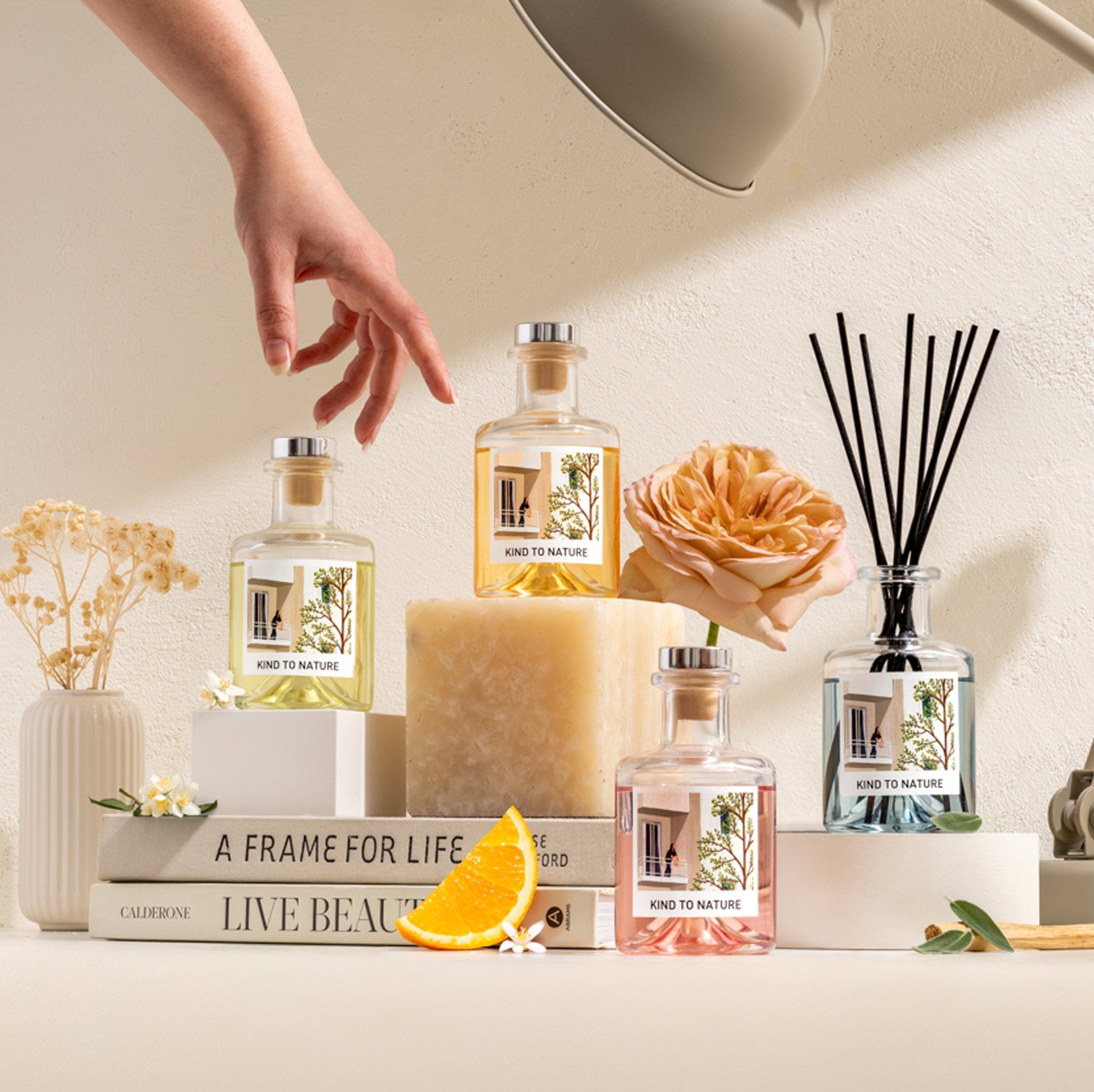
Hotels never rely on a single diffuser. They layer fragrance through multiple methods: reed diffusers in entry areas, subtle incense in hallways, light diffusion in bedrooms, and sometimes even HVAC system integration. A premium reed diffuser gift set with multiple scents allows you to strategically layer fragrances throughout your home rather than depending on one device.
Choose Scent Intensity Strategically
This is crucial: professional hotel scenting is subtle. The scent should be noticeable within 10-15 seconds of entering a space, but never overpowering. If you can smell your fragrance from multiple rooms away, it's too strong. Hotel-quality scenting is about creating an impression, not making people avoid your space. Start with lighter diffusers and gradually intensify only if necessary.
Update Your Scent Seasonally
High-end hotels adjust their scent profiles seasonally. In winter, they favor warmer profiles with amber, vanilla, and spice notes. In spring and summer, they shift toward fresher, lighter profiles. Rotating your fragrance seasonally keeps your home from becoming olfactorily stale and maintains that "freshly curated" feeling that characterizes luxury spaces.
Prioritize Clean Scents Over Perfume-y Ones
Never choose scents that smell like cheap perfume or air freshener. Hotels universally avoid this. Instead, select scents that smell like actual thingsâwhite tea, linen, wood, ocean air, garden florals. These scents communicate quality and restraint, whereas perfume-heavy or artificial fragrances communicate the opposite.
The Scent Layering Technique
The secret weapon$ of hotel scenting professionals is layering. Instead of one dominant scent, they create subtle layers of complementary fragrances that create complexity and depth. Each layer should add something to the story.
Layer 1: The Base Note This is typically placed in your entry or living room. It's your "signature" scentâperhaps a warm amber with woody notes. This scent should be slightly more intense since it's your primary olfactory anchor for the home.
Layer 2: The Secondary Scent In secondary spacesâhallways, dining rooms, bedroomsâintroduce a complementary but distinct scent. If your base note is warm amber, consider a fresh white tea or subtle citrus for secondary spaces. These should be noticeably lighter than your primary scent.
Layer 3: The Accent Note In intimate spacesâbedrooms, bathroomsâyou might introduce a third scent that's more subtle and personal. This could be a light floral or herbal scent that completes the sensory journey through your home.
The genius of this approach is that as people move through your space, they experience a subtle olfactory journey. Each room complements the others without overwhelming, and the overall effect is one of cohesion and intentionalityâexactly what luxury hotels achieve.
Strategic Diffuser Placement
Where you place your diffusers matters as much as which scents you choose. Hotels understand this and place diffusers with precision.
Entry Points
Place your primary, most noticeable diffuser just inside your main entry. This is where first impressions matter most. Guests should notice the scent within moments of entering. Make this location visually attractive tooâa beautiful reed diffuser set becomes part of your decor.
Air Current Zones
Place diffusers where air naturally circulates without being directly in front of vents or fans. Near interior doorways that lead to other rooms works beautifully. The scent travels naturally as air moves through your home.
Elevated Placement
Diffusers placed at eye level or above are more effective than those placed low. This is partly practicamâscent risesâand partly pyschological; you notice things at eye level more readily.
Away from Direct Heat or Sunlight
Diffusers placed in direct sunlight or near heat sources diffuse too quickly and become ineffective. Choose shaded areas away from direct light for optimal performance and longevity.
Discover Elle Cadeaux
Premium Reed Diffuser Gift Set of 4
Quick tips for that hotel-quality scent.
Shop NowFrequently Asked Questions
How much does it cost to make your home smell like a luxury hotel?
You don't need a hotel's budget. A quality multi-piece diffuser set costs between $40-$120, and a well-made set lasts 4-6 months, making the cost-per-month entirely reasonable for the impact. High-end hotels spend thousands partly because they're scenting massive spaces 24/7. Your home requires far less product and intensity. Luxury fragrance at home is genuinely affordable.
Will my home smell overly perfume or artificial?
Only if you choose artificial scents or use too much. The key is selecting realistic scent profilesâwhite tea, linen, ocean, woodâand maintaining restraint. You want guests to feel they've entered a sophisticated space, not a perfume counter. If you're questioning whether your scent is too strong, it probably is. Start subtle and adjust upward if needed.
How often do I need to replace reed diffusers or other scenting products?
Most quality reed diffusers last 4-6 months with consistent scent throw. Some people flip their reeds weekly to extend longevity slightly. When the scent becomes barely noticeable, it's time to replace. This regular replacement cycle actually works in your favorâyou can change your seasonal scent profile without guilt.
Can I mix different scents in the same room?
You can, but carefully. If you're layering different scent products, ensure they're complementary, not contrasting. Two citrus-based scents can layer beautifully. Citrus plus floral can work if the floral is subtle. Citrus plus warm amber in the same small room usually creates a muddled effect. When in doubt, use multiple scents in different rooms rather than the same room.
Related Articles You Might Enjoy
- How to Make Your Home Smell Like a 5-Star Hotel on a Budget
- Westin Hotel Scent Dupe: How to Get That White Tea Aroma at Home
- How to Get That Ritz-Carlton Scent at Home
- Hotel Lobby Fragrance Secrets: What Scent Do Luxury Hotels Use?
- How to Make Your House Smell Amazing All Day Without Trying
Frequently Asked Questions
How to Make Your Room Smell Like a Hotel: Quick Wins?
This guide covers practical, step-by-step methods for make your room smell like a hotel: quick wins. Read the full article for detailed instructions and expert tips.
What is a crystal diffuser and how does it work?
A crystal diffuser uses natural crystals and essential oil blends with reed sticks to disperse fragrance without heat or flame. The reeds absorb the oil and release scent naturally into the air.
Where can I buy luxury crystal diffusers?
Elle Cadeaux offers a premium collection of crystal reed diffusers, essential oil blends, and luxury gift sets at ellecadeaux.com. Free shipping is available on select orders.

Leave a comment
This site is protected by hCaptcha and the hCaptcha Privacy Policy and Terms of Service apply.