

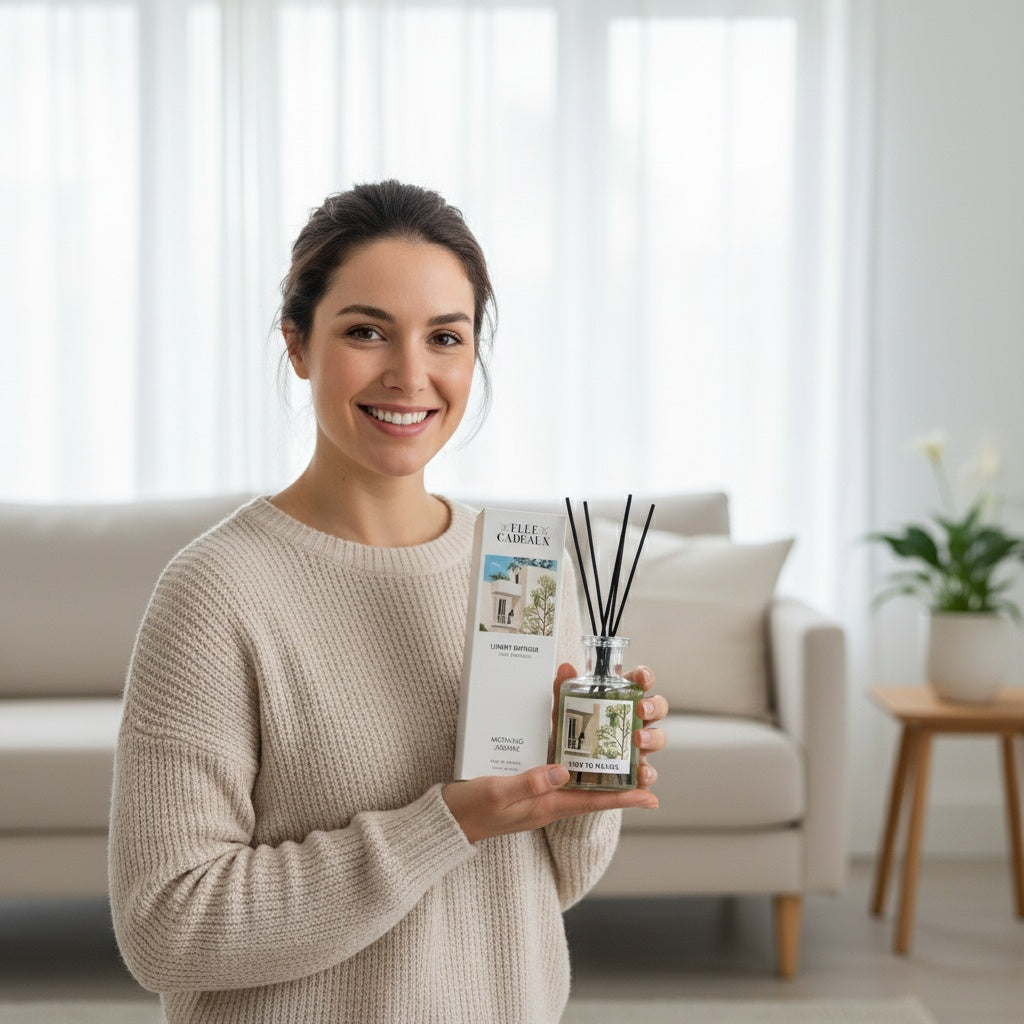
Scent Anchoring: The Productivity Hack No One Talks About

In This Article
- What is Scent Anchoring?
- The Neuroscience Behind Scent Memory
- How to Implement Scent Anchoring
- Best Scents for Different Tasks
- Real Results: Productivity Data
- Frequently Asked Questions
Productivity experts have discovered a secret weapon that's been hiding in plain scent: scent anchoring. This neuroscience-backed technique pairs specific fragrances with particular tasks, creating powerful mental associations that boost focus, motivation, and performance. While most productivity advice focuses on apps and schedules, scent anchoring works at the neurological levelâand once you implement it, you'll wonder how you ever worked without it.
What is Scent Anchoring?
Scent anchoring is the practice of consistently using the same fragrance while performing specific work or activities, creating a neurological link between that scent and that task. When you smell that fragrance again, your brain immediately enters the cognitive state associated with that workâfocus, creativity, calm, or energy. It's classical conditioning applied to productivity.
The Anchor Concept
Think of an anchor as a trigger. Just as Pavlov's dogs salivated at the bell that preceded food, your brain will enter "deep work mode" when it smells your designated focus fragrance. This anchor becomes so powerful that even a brief encounter with that scentâa whiff from a diffuser in the morningâprimes your brain for the associated task. The right fragrance selection makes the difference between a mild effect and a transformative productivity boost.
Why This Works Better Than Motivation
Motivation is unreliable. Some days you feel driven; others, you don't. Scent anchoring removes the motivation variable entirely. Instead of relying on willpower, you're leveraging neurobiology. Your brain doesn't need to be convinced to focusâthe scent does the convincing at a subconscious level, making deep work feel easier and more natural.
The Neuroscience Behind Scent Memory
The Olfactory-Limbic Connection
Smell is the only sense directly connected to the limbic system, the part of your brain governing emotion, memory, and motivation. Unlike other senses that route through the thalamus first, olfactory information goes straight to the brain's emotional and memory centers. This direct connection means fragrance influences your neurochemistry almost immediatelyâfaster than visual or auditory input.
Memory Encoding Through Scent
Your brain encodes memories with sensory context. When you work on a challenging project while experiencing a specific fragrance, your brain stores that fragrance as part of the memory of that work. Later, encountering that same scent reactivates those memory pathways, putting you back into the cognitive state you were in. This explains why a single whiff can transport you to a specific moment or mental state.
Dopamine and Reward Associations
When scent anchoring works optimally, your brain begins associating the fragrance with accomplishment and reward. Complete focused work sessions using your chosen essential oil repeatedly, and your brain starts releasing dopamine in anticipation of that fragranceânaturally increasing motivation and drive.
How to Implement Scent Anchoring
Step 1: Choose Your Anchor Scents
Select 2-3 fragrances maximum for different task categories. Use one for creative work (perhaps citrus or bergamot), one for analytical tasks (woody or herbal), and optionally one for communication and meetings (warm, approachable scents). Avoid overlapping scents or your brain's associations become muddled.
Step 2: Commit to Consistency
This is the critical step. Every single time you work on creative projects, use the same fragrance. Every analytical task session uses the same scent. This consistency is what builds the neurological pathway. For the first week, you might notice minimal effect. By week three, you'll feel the anchor solidifying. By week six, the association becomes automatic.
Step 3: Combine with Quality Work Sessions
Scent anchoring works best when paired with actual focused, productive workânot distracted scrolling or unfocused effort. The brain encodes "real work" differently than busy work. Use your anchor scent only during genuine, focused task engagement. If you use it while procrastinating, you'll anchor procrastination instead.
Step 4: Gradually Build Your System
After establishing your primary anchors, you can expand. Some advanced practitioners develop hyper-specific anchors: one scent for writing, another for design, another for strategy meetings. But start simple. Two anchors create more reliable results than five.
Best Scents for Different Tasks
Creative Work: Citrus and Floral Blends
Citrus fragrances (lemon, orange, grapefruit) stimulate the brain's creative centers. They're energizing without being aggressive, and they create an uplifted mental state perfect for brainstorming, writing, and design work. Pairing citrus with soft florals (like bergamot with jasmine) creates a balanced creative state.
Deep Analytical Work: Woody and Herbal Notes
Woodsy fragrances (cedarwood, sandalwood) and herbals (rosemary, basil) ground the mind and enhance focus. They're associated with calm concentration and steady effort. These scents work beautifully for accounting, coding, research, and detail-oriented work requiring sustained attention.
Communication and Collaboration: Warm, Approachable Scents
For meetings and collaborative work, warm fragrances (vanilla, amber, warm spice) create approachable, confident energy. These scents make you feel more present and engaged, enhancing your communication and making collaborative sessions more productive and enjoyable.
Energy and Physical Tasks: Peppermint and Strong Citrus
When you need activationâwhether for exercise, housework, or high-energy tasksâpeppermint and strong citrus blends deliver immediate mental sharpness and physical energy. These are your power scents for accomplishing multiple tasks in short timeframes.
Real Results: Productivity Data
Research on Scent and Cognitive Performance
Studies from the American Chemical Society found that workers exposed to specific fragrances during task learning showed 65% better problem-solving performance when exposed to the same scent during testing. Other research indicates that consistent fragrance use during focused work increases concentration duration by 30% and reduces the time needed to enter flow state by up to 50%.
Measurable Outcomes Users Report
People implementing scent anchoring consistently report: reduced time to deep focus (from 15 minutes to 5 minutes), extended focus sessions (working 2+ hours without mental breaks versus 45 minutes previously), improved work quality, and decreased procrastination. These aren't subtle improvementsâthey're transformative changes in actual productivity metrics.
Long-Term Benefits
Beyond immediate productivity gains, scent anchoring creates lasting improvements. Your brain's associations strengthen over months, meaning the effect becomes more pronounced. You'll find yourself entering focus mode faster, maintaining concentration longer, and experiencing less mental fatigue from the same amount of work.
Frequently Asked Questions
How long does it take for scent anchoring to work?
Most people notice subtle effects within 3-5 sessions using consistent scent pairing. Noticeable productivity improvements typically emerge within 2-3 weeks of daily implementation. Strong, reliable anchoring takes 6-8 weeks of consistent use to become automatic. The initial investment in consistency delivers significant ongoing returns.
Can I use the same scent for multiple tasks?
Technécally yes, but it reduces effectiveness. Your brain works best with dedicated associations. Using one scent for both creative work and analytical tasks creates competing signals that dilute the anchor's power. If you must choose, reserve your scent for your highest-priority task type.
What if I get tired of my anchor scent?
Many people experience olfactory habituationâthey stop noticing the scent while their brain still responds to it. The neurological anchor remains active even when you're not consciously perceiving the fragrance. However, if you genuinely want to change, transition gradually. Use the old scent for 3 days, then switch. Your brain can develop new anchors, but it takes time.
Does scent anchoring work for everyone?
The neuroscience is universal, but individual sensitivity to fragrance varies. Some people notice effects immediately; others need more time. People with anosmia (inability to smell) won't benefit from this technique. For the 95% with normal olfactory function, scent anchoring worksâcommitment to consistency matters more than scent type.
Related Articles You Might Enjoy
- The Science Behind Functional Fragrance and Your Mood
- How Scent Affects Productivity: A Guide for Remote Workers
- Best Reed Diffuser Scents for Your Office and Workspace
- The Psychology of Home Scent: Why Your House Smells Matters
- Home Fragrance Benefits: More Than Just a Nice Smell
Frequently Asked Questions
What should I know about scent anchoring: the productivity hack no one talks about?
Our article covers the key facts, benefits, and practical tips related to scent anchoring: the productivity hack no one talks about.
How long do crystal reed diffusers last?
High-quality crystal reed diffusers from Elle Cadeaux typically last 3-6 months depending on room size, airflow, and the number of reeds used.
Where can I buy luxury crystal diffusers?
Elle Cadeaux offers a premium collection of crystal reed diffusers, essential oil blends, and luxury gift sets at ellecadeaux.com.
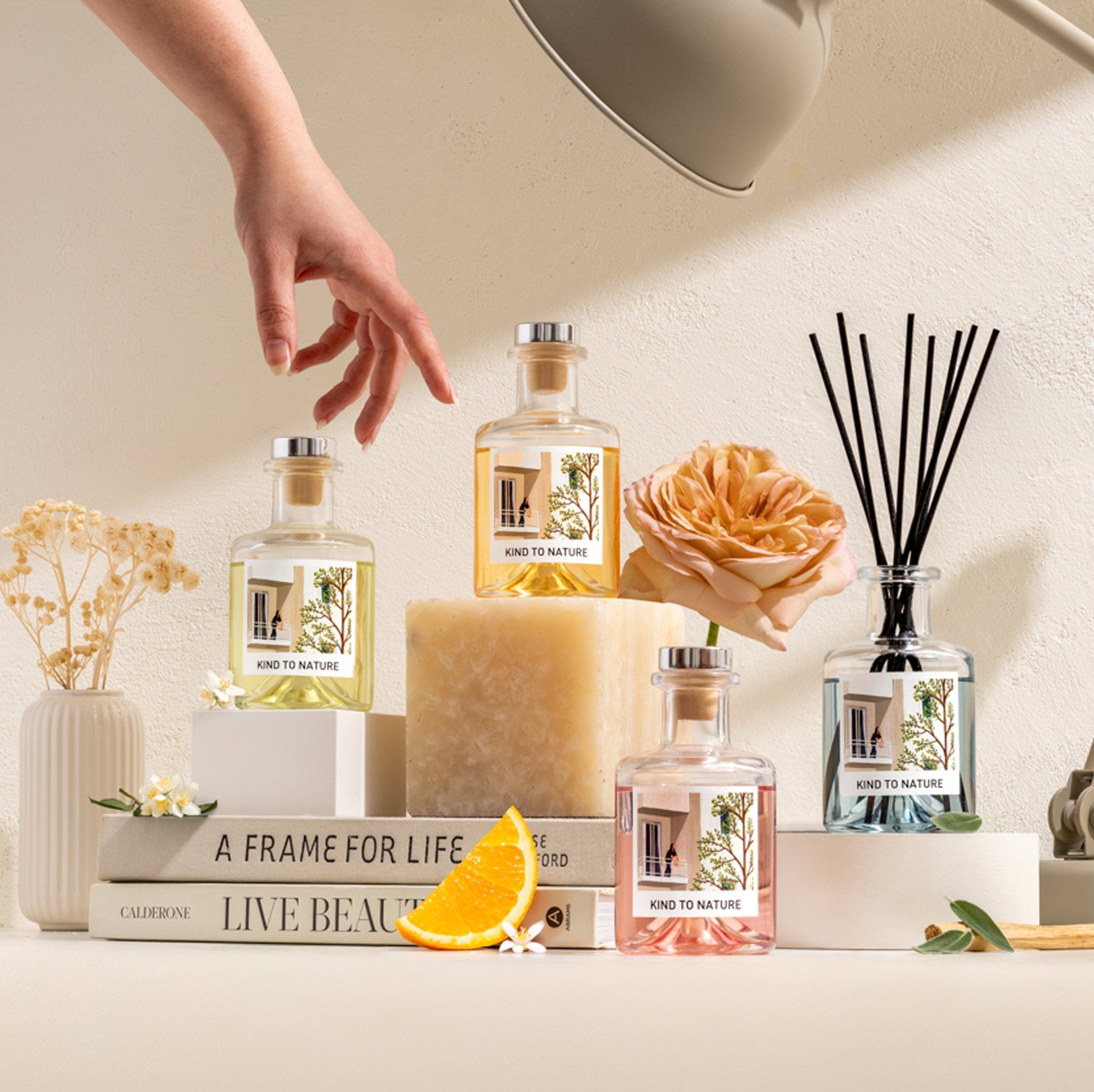
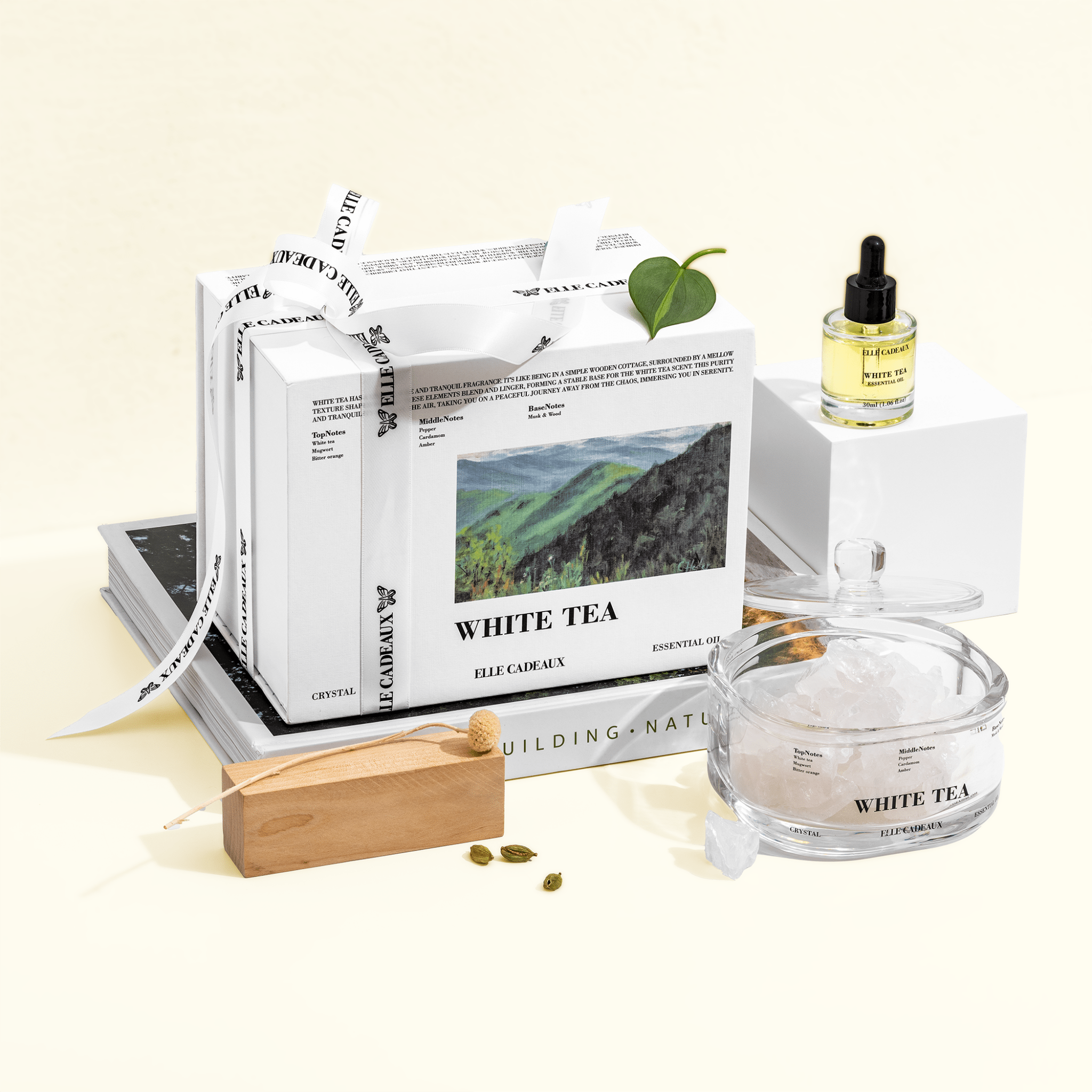
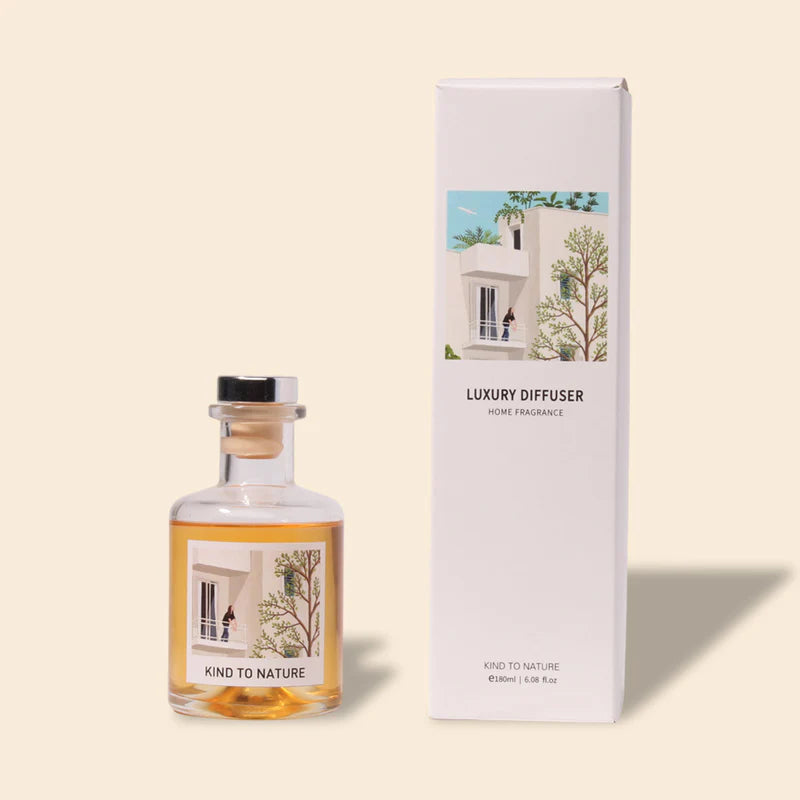

Leave a comment
This site is protected by hCaptcha and the hCaptcha Privacy Policy and Terms of Service apply.