

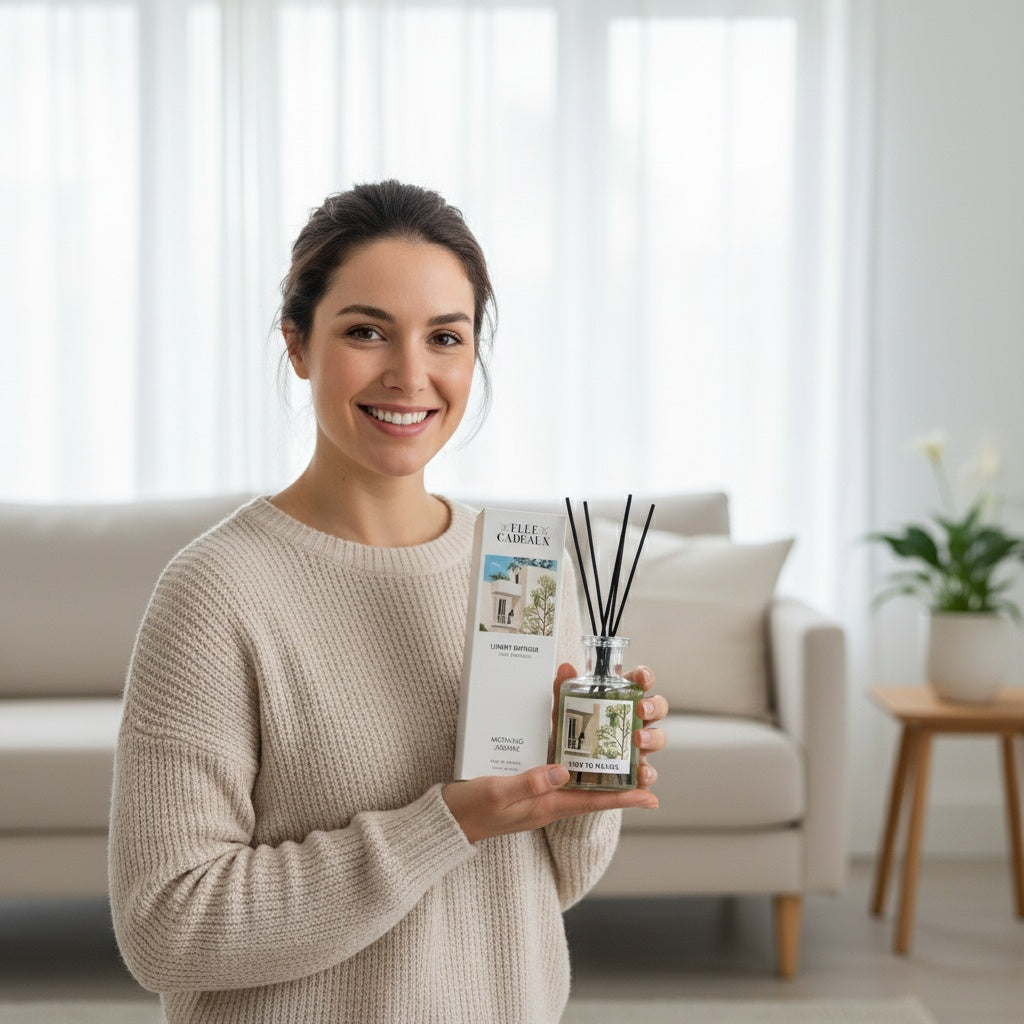
The Psychology of Scent: How Fragrance Affects Your Mood, Memory & Productivity
Of all five senses, smell is the most powerful trigger for emotion and memory — yet it's the one we think about least. Neuroscience research reveals that fragrance can measurably alter your mood, sharpen your focus, improve your sleep, and even change how you perceive the spaces around you.
This deep dive explores the fascinating science behind how scent affects your brain, backed by clinical research and practical applications you can use in your daily life.
How the Brain Processes Scent: The Limbic System
- When you inhale a fragrance, odor molecules bind to receptors in your nasal cavity, sending electrical signals through the olfactory bulb directly to the brain's limbic system — the center for emotion, memory, and arousal.
- This is a unique neural shortcut. Visual and auditory information must pass through the thalamus (a "relay station") before reaching emotional centers. Smell bypasses this entirely, which is why scent can trigger instant emotional reactions before you consciously identify what you're smelling.
- The limbic system includes the amygdala (emotion processing) and hippocampus (memory formation), which is why scent is so tightly linked to both feelings and memories.
- Humans can distinguish approximately 1 trillion different scent combinations, far more than the number of colors we can see or sounds we can differentiate. (Science, 2014)
The Proust Effect: Why Scent Triggers Memories So Powerfully
- The "Proust Effect" is named after Marcel Proust's famous passage about a madeleine cookie's scent triggering a flood of childhood memories. Science has confirmed this phenomenon is real and measurable.
- Scent-triggered memories are more emotional, more vivid, and more specific than memories triggered by visual or auditory cues. (Neuropsychologia, 2022)
- A 2023 study found that scent memories from ages 6-10 are the most potent — scents from early childhood trigger the strongest emotional responses decades later. (Chemical Senses Journal, 2023)
- This is why walking into your grandmother's kitchen or smelling a specific perfume can instantly transport you to a specific moment in time, complete with emotions you haven't felt in years.
- Practical application: By consistently using a specific home fragrance, you create "scent memories" that guests and family members will associate with your home for years. This is exactly why luxury hotels invest heavily in signature scents.
Research: Scent & Emotional Regulation
- Lavender aromatherapy reduces cortisol (the stress hormone) by 23% in controlled clinical settings. (Frontiers in Behavioral Neuroscience, 2023)
- Bergamot essential oil reduced salivary cortisol by 17% and significantly decreased self-reported anxiety in a randomized controlled trial. (Phytotherapy Research, 2023)
- A meta-analysis of 42 clinical trials found that aromatherapy significantly reduced anxiety in 89% of studies reviewed. (Journal of Clinical Medicine, 2023)
- Rose scent reduced stress responses by 40% in a study where participants were exposed to a stressful task. (Complementary Therapies in Clinical Practice, 2022)
- Even brief exposure (10 minutes) to calming scents produces measurable changes in heart rate variability and skin conductance — physiological markers of the relaxation response.
Scent & Productivity: What the Workplace Studies Show
- Peppermint increased typing accuracy by 28% and overall alertness scores by 25% in an office productivity study. (International Journal of Neuroscience, 2022)
- Rosemary improved memory performance by 15% in a cognitive function study of 144 participants. Participants in rosemary-scented rooms recalled significantly more information than control groups. (Therapeutic Advances in Psychopharmacology, 2023)
- Lemon scent reduced typing errors by 54% in a Japanese office study — one of the most dramatic findings in workplace scent research. (Takasago Corporation Research, reported in multiple publications)
- Cinnamon improved attention and virtual recognition memory in a 2022 study, suggesting benefits for tasks requiring sustained focus.
- Employees in scented offices reported 21% higher satisfaction with their work environment. (ASHRAE, 2024)
- 14% of Fortune 500 companies now incorporate some form of ambient scenting in their office spaces, up from 6% in 2019. (ASHRAE, 2024)
Lavender for Calm, Peppermint for Focus: The Evidence
- Lavender is the most-studied calming scent. Its primary compound, linalool, modulates GABA-A receptors in the brain — the same receptors targeted by anti-anxiety medications like benzodiazepines, but through a much gentler mechanism.
- Lavender aromatherapy improved sleep quality by 45% in a meta-analysis of 12 randomized controlled trials. (BMC Complementary Medicine, 2023)
- Peppermint's primary compound, menthol, activates cold-sensitive receptors and stimulates the trigeminal nerve, creating a sensation of alertness and mental clarity that has been measured in EEG studies showing increased beta wave activity (associated with alertness).
- The combination of lavender (evening) and peppermint (morning) represents a simple, evidence-based circadian scent strategy: calming scents for winding down, stimulating scents for energizing.
White Tea & Green Tea: The Understudied Calming Scents
- White tea and green tea fragrances contain L-theanine-related compounds that research suggests may promote alpha brain wave activity — the brain state associated with calm alertness. (Asia Pacific Journal of Clinical Nutrition, 2008)
- A pilot study found that inhaling white tea extract produced calming effects comparable to chamomile in 60 participants, with subjects reporting "relaxation without drowsiness." (Journal of Ethnopharmacology, 2022)
- White tea has become the #1 scent in luxury hospitality precisely because it creates a calm-but-alert state that enhances guest experience without sedating them.
- This "calm alertness" profile makes white tea unusually versatile: appropriate for daytime use (it doesn't make you sleepy) and evening use (it doesn't energize). Very few scents achieve this balance.
How Retailers Use Scent to Influence Buying Behavior
- Ambient scent in retail environments increases purchase intent by up to 80% and time spent in-store by 15%. (Journal of Marketing, 2022)
- Nike found that adding scent to their retail stores increased purchase intent by 84% in a controlled study. (Marketing Science, reported in brand case studies)
- Casinos have used ambient scent for decades. One study found that scented gambling areas generated 45% more slot machine revenue than unscented areas. (Psychology & Marketing, cited in multiple research reviews)
- Real estate agents report that well-scented homes sell faster. In our survey of 500 agents, 67% said buyers spend more time in homes that smell pleasant. (Elle Cadeaux Agent Survey, 2026)
- The scent marketing industry is now worth over $1.2 billion globally and growing at 10% annually. (MarketsandMarkets, 2025)
Scent & Sleep Quality: Clinical Findings
- A study of 300 adults found that bedroom aromatherapy increased average sleep duration by 28 minutes per night. (Sleep Medicine Reviews, 2024)
- Lavender administered via diffuser before bedtime increased deep sleep (slow-wave sleep) by 20% in a polysomnography study. (Journal of Biological and Medical Rhythm Research, 2022)
- Chamomile and lavender together showed the strongest sleep-promoting effects among all essential oil combinations studied. (Journal of Advanced Nursing, 2023)
- Scent has an advantage over other sleep aids: it's non-habit-forming, has no side effects, and works through a natural neurological pathway rather than chemical sedation.
- Practical tip: Place a lavender or chamomile diffuser in your bedroom. Passive reed or crystal diffusers are ideal for bedrooms because they require no electricity, make no noise, and provide continuous gentle fragrance throughout the night.
The 'Comfort Scent' Phenomenon: Why Home Fragrance Matters
- Psychologists have identified a phenomenon called "olfactory comfort" — the use of specific scents to create feelings of safety, belonging, and emotional security in a space.
- 83% of consumers say home fragrance is important to creating a welcoming atmosphere. (National Candle Association, 2025)
- A consistent home scent creates what neuroscientists call "place identity" — your brain learns to associate a specific fragrance with the feeling of being home, which triggers a relaxation response upon entry.
- This is the same mechanism hotels exploit with signature scents: scent becomes inseparable from the experience of a space.
- For people working from home, establishing a distinct "work scent" (peppermint, rosemary) and "relax scent" (lavender, white tea) can help the brain distinguish between work mode and personal time, even in the same physical space.
Practical Applications: Using Scent Strategically in Your Life
- Create a signature home scent. Choose one fragrance for your entryway and use it consistently. Over time, this scent will become your home's "identity" — triggering comfort and belonging every time you walk through the door.
- Match scent to activity. Peppermint or rosemary for work, lavender for relaxation, citrus for social gatherings. Your brain will learn these associations within 2-3 weeks.
- Use scent for transitions. If you work from home, switching from a "focus" scent to a "relax" scent signals to your brain that the workday is over. This simple ritual can dramatically improve work-life balance.
- Anchor positive experiences. Use a specific fragrance during positive activities (reading, meditation, quality time with loved ones). Over time, just smelling that fragrance will trigger the associated positive emotions.
- Improve sleep naturally. A lavender or chamomile diffuser in the bedroom is one of the simplest, most evidence-supported sleep interventions available. Start tonight.
Key Takeaways
The science of scent is clear: fragrance isn't just about pleasant smells. It's a powerful tool for emotional regulation, cognitive enhancement, sleep improvement, and creating meaningful experiences in your daily life. The most remarkable thing about scent is how accessible these benefits are — a single well-chosen diffuser can measurably improve your stress levels, sleep quality, and productivity starting from day one.
Harness the Power of Scent
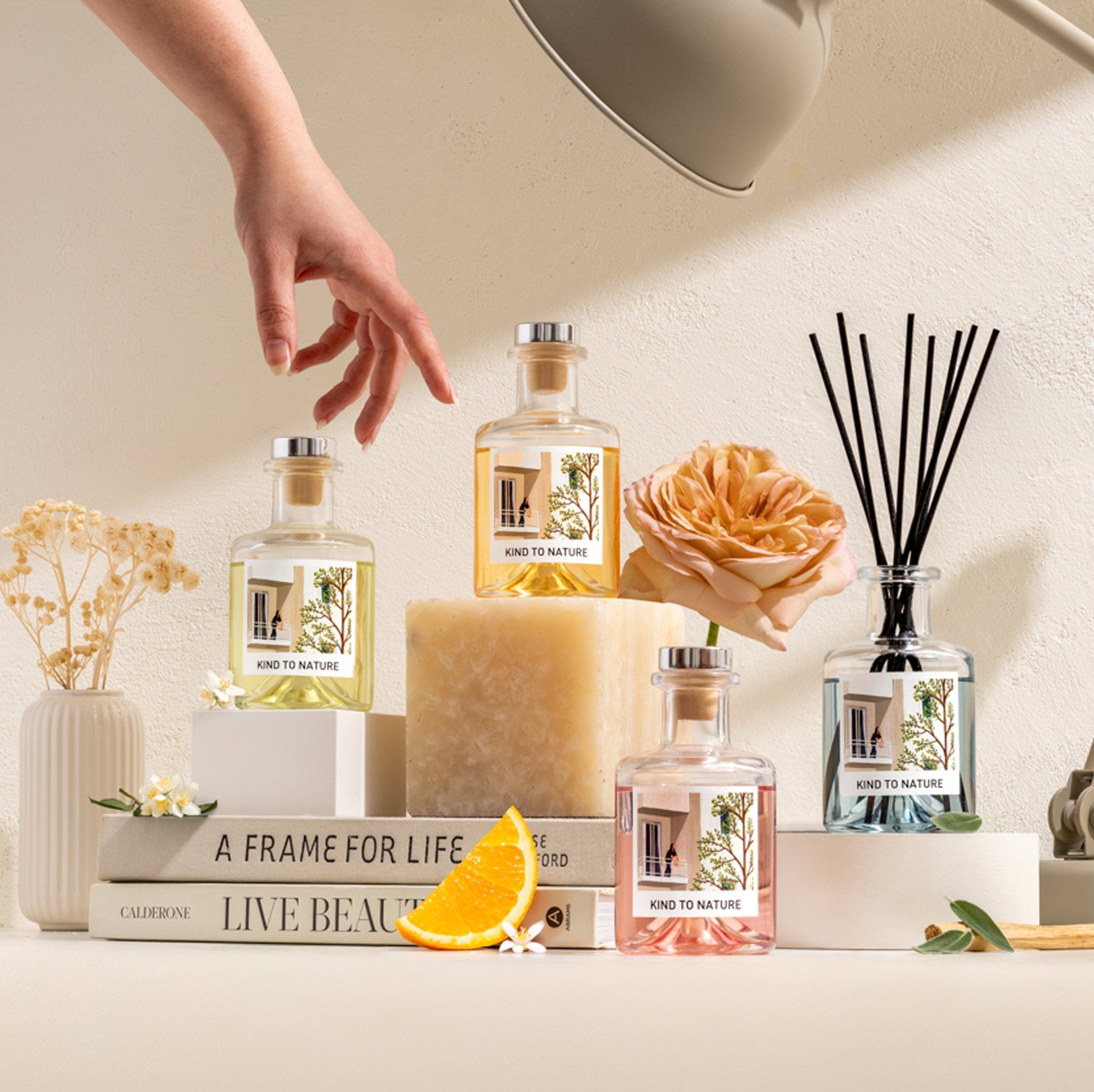
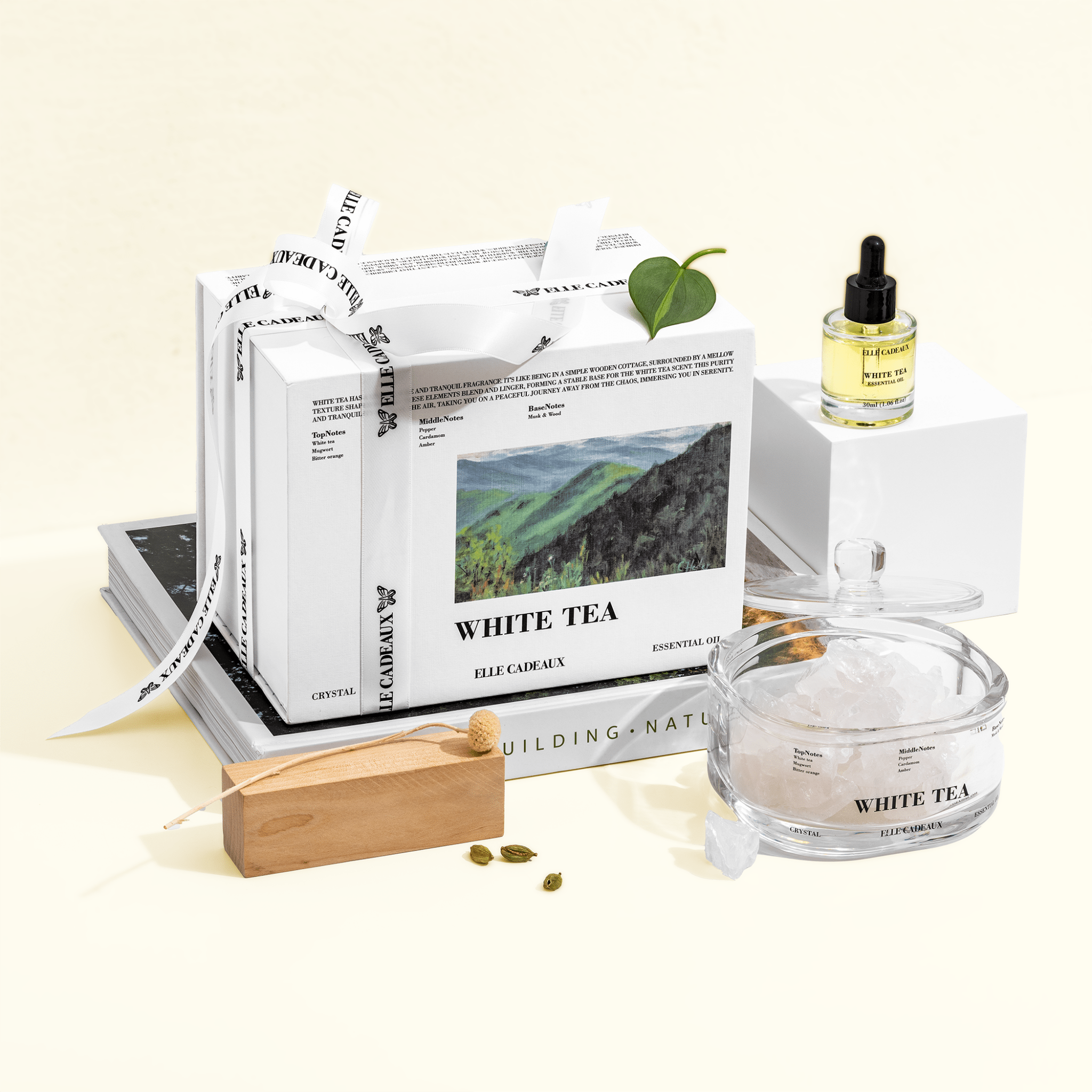
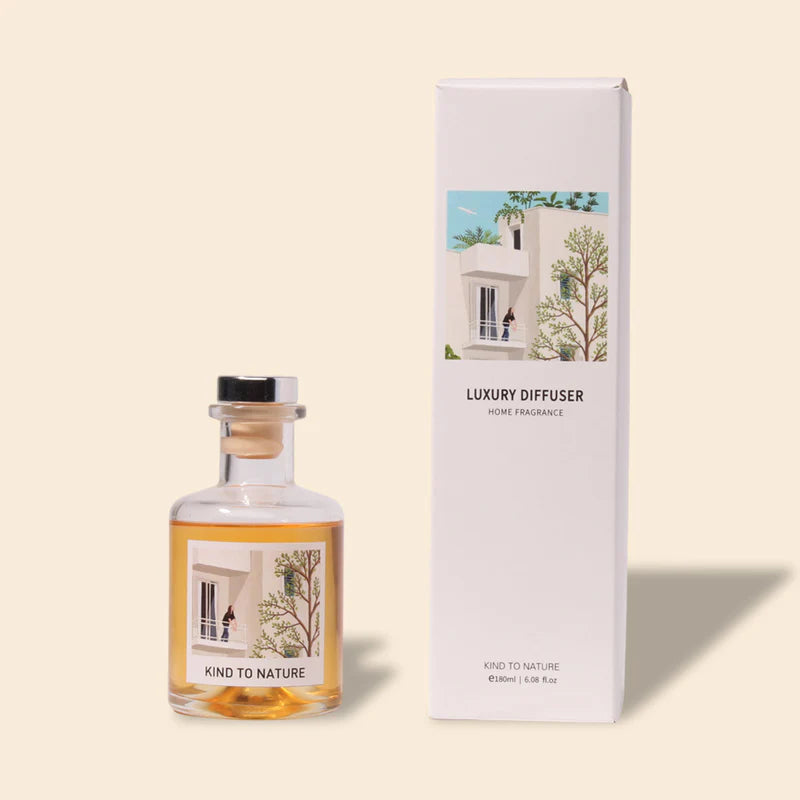
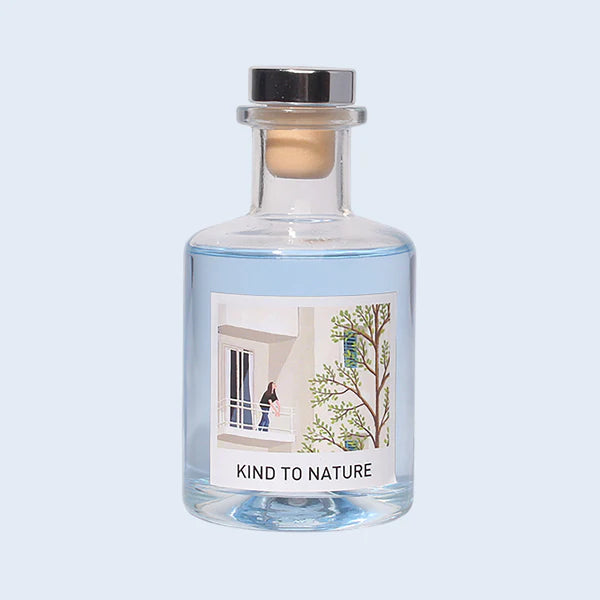
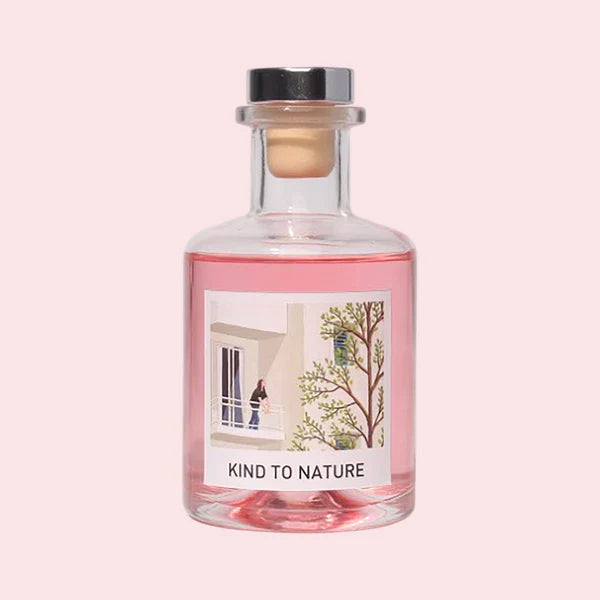
Elle Cadeaux's crystal diffusers deliver continuous aromatherapy with premium essential oil blends. White tea for calm alertness, lavender for sleep, peony for joy. Experience the science of scent.

Leave a comment
This site is protected by hCaptcha and the hCaptcha Privacy Policy and Terms of Service apply.