Photo: Pexels
Home Fragrance Market Trends: What's Driving the $40B Industry

In This Article
- The Staggering Scale of the Home Fragrance Industry
- What's Actually Driving 40 Billion in Annual Sales
- The Shift Toward Luxury and Premium Products
- Emerging Segments Reshaping the Market
- Where the Market Is Headed
- Frequently Asked Questions
The home fragrance industry has experienced explosive growth over the past decade, reaching approximately $40 billion in global annual sales. This staggering figure represents not just a consumer preference for pleasant-smelling homes, but a fundamental shift in how people perceive home, wellness, and personal environment curation. Understanding what's driving this massive market growth reveals broader cultural trends: the increasing importance of wellness practices, the premiumization of home goods, the rise of experiential consumption, and the integration of mental health support into daily life. This guide explores the data, trends, and forces shaping the $40 billion home fragrance industry and reveals what the future likely holds for those invested in or curious about this booming market.
The Staggering Scale of the Home Fragrance Industry
To contextualize the $40 billion figure: this exceeds the entire US wine market (approximately $30 billion), rivals the global pet food market, and represents spending by hundreds of millions of households worldwide. This scale is relatively recent. Ten years ago, the home fragrance market was approximately $8 billion—home fragrance has grown at roughly 15-20% annually for the past decade, meaning the market has quintupled in size.
This growth has occurred despite economic fluctuations, recessions, and various consumer challenges. Even during economic downturns home fragrance sales remain resilient because it's perceived not as luxury but as essential wellness. This consumer perception shift—treating fragrance as part of mental health and well-being rather than as décor—is a primary growth driver.
Geographically, the US represents the largest market at approximately $12-13 billion annually. Europe is the second-largest at around $10 billion. The remaining $15-17 billion is distributed globally, with emerging markets in Asia-Pacific showing explosive growth. Middle-class expansion in India and Southeast Asia is driving significant new demand as consumers gain purchasing power and access to premium fragrance products.
What's Actually Driving 40 Billion in Annual Sales
Several distinct forces are simultaneously driving the market's explosive growth:
The Work-from-Home Transformation
The shift to remote and hybrid work created an unexpected tailwind for home fragrance. When people spend 8+ hours daily at home, they invest more in making those spaces pleasant. Companies installing fragrance systems in offices for decades suddenly faced empty offices. Workers investing in their home spaces—sometimes subsidized by employers allowing home office budgets—have purchased home fragrance products at historic levels. This trend's permanence means continued market growth even as work returns to offices (most experts expect hybrid work to remain standard).
The Wellness Premium Movement
Consumers increasingly view wellness expenditures—mental health support, exercise, skincare, stress reduction—as non-negotiable. Home fragrance has successfully positioned itself as part of the wellness category rather than as luxury décor. This positioning means it benefits from the broader trend of wellness spending, which continues to accelerate regardless of economic conditions.
The Premium and Luxury Boom
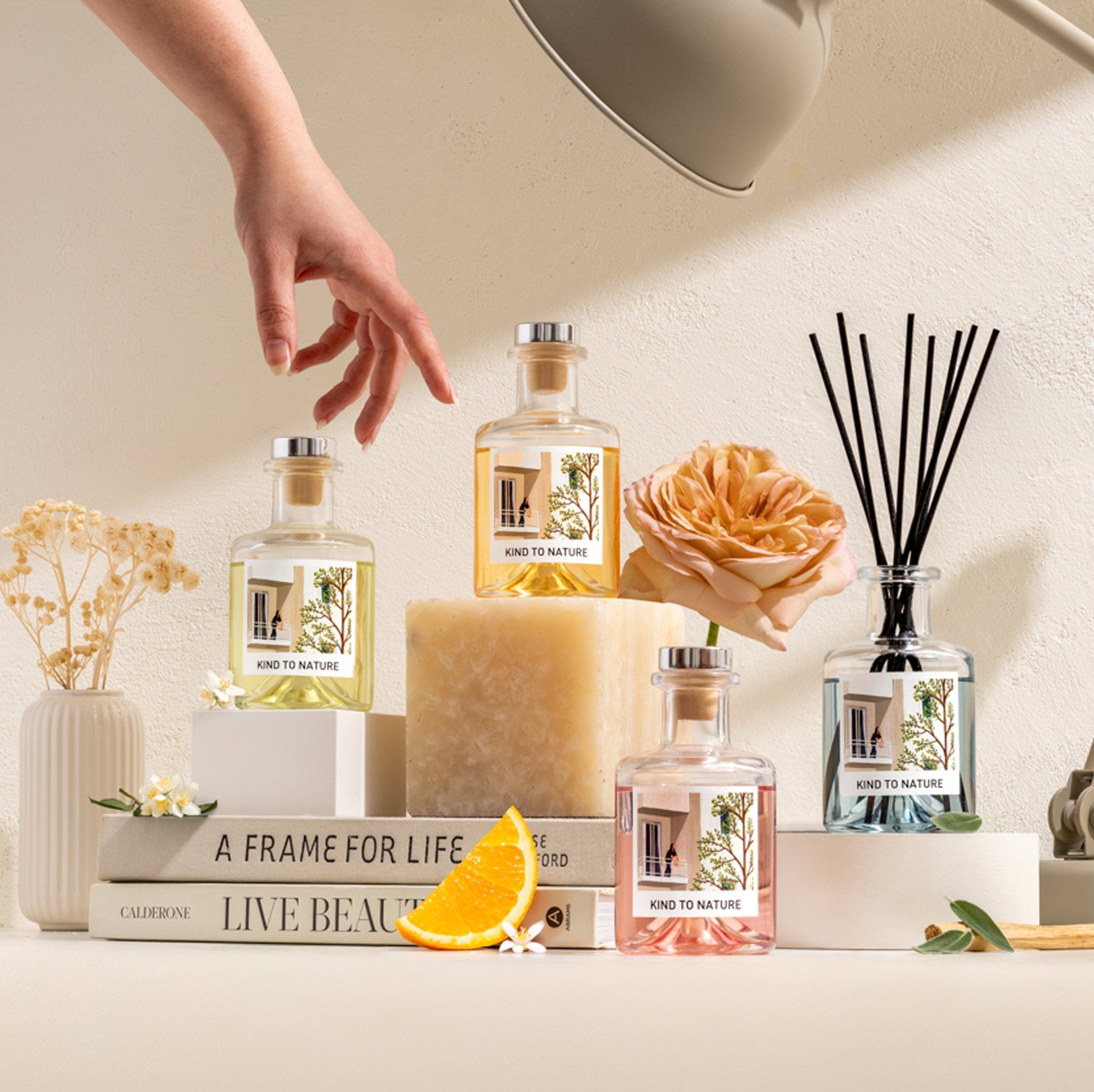
Consumers haven't just bought more fragrance products; they've traded up dramatically to premium options. The fastest-growing segment within home fragrance is premium products at $50+ price points. Consumers are willing to spend significantly more for products they perceive as higher quality, more sustainable, or more luxurious. This premiumization has inflated market value even as unit growth sometimes moderates.
The Experience Economy Integration
Experience has become the primary value driver for premium consumers. Fragrance is intensely experiential—it's multi-sensory and memory-creating. As consumers shift toward experience-based consumption (away from pure product accumulation), fragrance benefits because it creates consistent, daily sensory experiences that influence mood, memory, and well-being.
Social Media and Content Influence
Home fragrance is inherently visual and sensory-appealing, making it ideal for social media marketing. Influencer culture, aesthetic interior design content, and wellness-focused creators have all featured home fragrance prominently. The algorithmic amplification of fragrance content has created awareness and aspirational positioning that drives purchasing behavior, particularly among younger consumers.
The Shift Toward Luxury and Premium Products
Perhaps the most significant trend within the home fragrance market is the dramatic shift toward premium products and luxury positioning. This shift reveals important insights about contemporary consumer behavior:
The Collapse of Mid-Market Fragrance
Traditional mid-market fragrance brands—the $15-30 price point options—are experiencing relative decline as consumers gravitate toward either deep discount options or premium luxury. This polarization means that fragrance choice increasingly becomes either "whatever smells good for less" or "premium quality that reflects my values and taste."
Sustainability as Premium Positioning
Premium fragrance brands are leading on sustainability, ethical sourcing, and environmental responsibility. This positioning elevates the category and justifies premium pricing. Consumers willing to pay more for fragrance often do so specifically because they perceive premium options as more ethically and environmentally responsible.
Direct-to-Consumer Disruption
Brands selling directly to consumers (bypassing retail intermediaries) have captured significant market share. Direct-to-consumer fragrance brands can offer premium quality at moderate prices by eliminating retail markup. This model has disrupted traditional retail while expanding the premium market to price-conscious consumers.
Luxury Brand Expansion into Fragrance
Traditional luxury brands (fashion, leather goods, jewelry) have aggressively expanded into home fragrance. Major luxury conglomerates now view home fragrance as a core category. This positioning has elevated the category's prestige and justified premium pricing across the entire market.
Luxury Brand Expansion into Fragrance
Traditional luxury brands (fashion, leather goods, jewelry) have aggressively expanded into home fragrance. Major luxury conglomerates now view home fragrance as a core category. This positioning has elevated the category's prestige and justified premium pricing across the entire market.
Emerging Segments Reshaping the Market
Several emerging segments are creating new market growth categories:
Crystal and Gemstone-Enhanced Diffusers
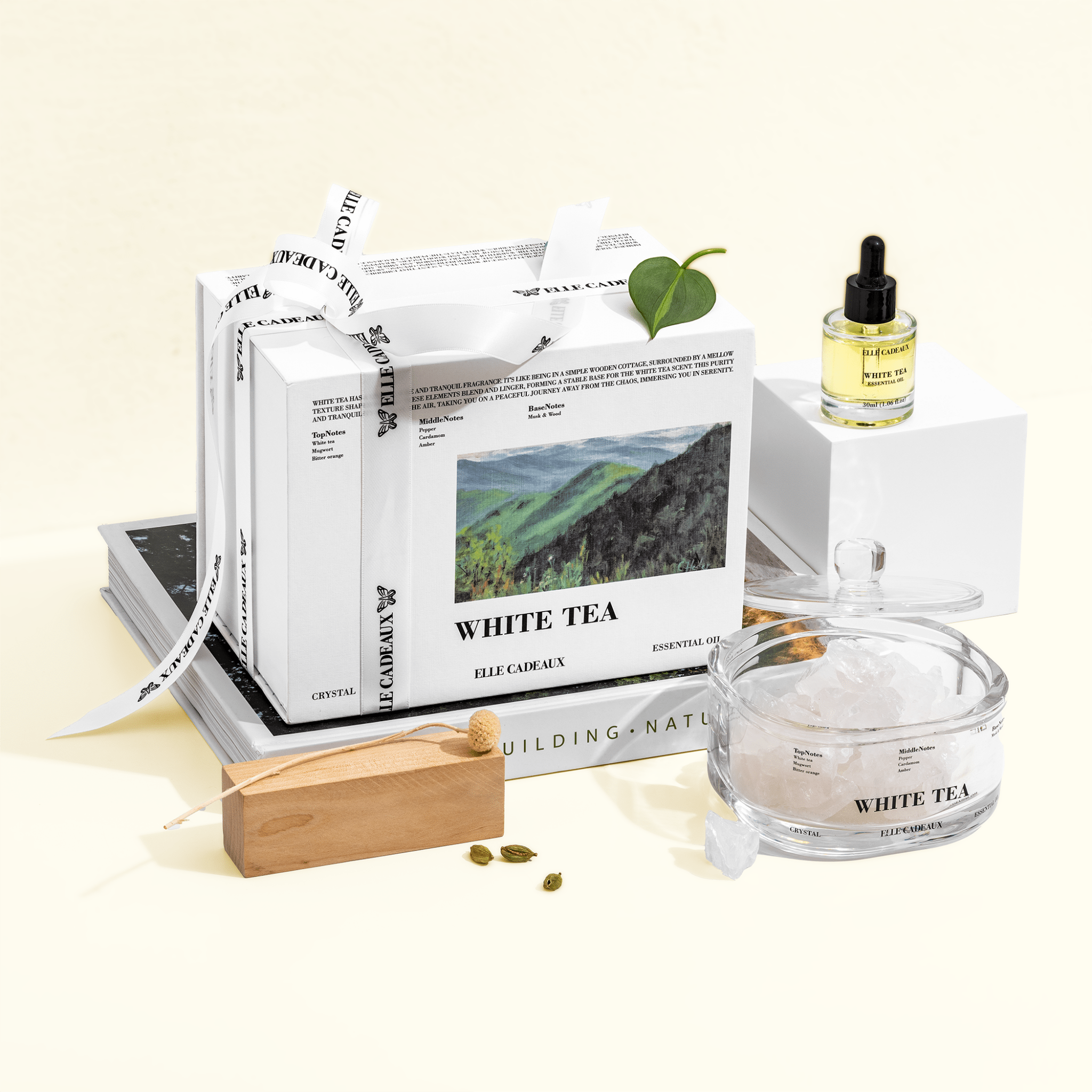
The convergence of wellness, crystal culture, and luxury fragrance has created explosive growth in crystal diffuser products. Crystal-enhanced fragrance combines multiple trends—wellness integration, aesthetic beauty, and spiritual/intentional living. This segment, nearly nonexistent 5 years ago, now represents a significant and rapidly growing market segment.
Personalized and Algorithmic Fragrance
Some emerging brands use AI and consumer data to personalize fragrance recommendations. This intersection of technology and fragrance appeals to digitally native consumers and creates opportunities for subscription models and repeat purchasing.
Wellness-Integrated Fragrance
Products combining fragrance with sleep support, stress reduction, meditation support, or other wellness elements are growing rapidly. Fragrance integrated with wellness claims or technologies commands premium pricing and attracts health-conscious consumers.
Gender-Neutral and Niche Segmentation
As traditional gender-based marketing falters, brands are increasingly offering gender-neutral fragrances or extremely niche, personality-based segmentation. This allows consumers to choose fragrance based on actual preferences rather than gender norms, expanding market access.
Where the Market Is Headed
Based on current trends and emerging forces, the home fragrance market will likely:
Continue Premiumization
Expect continued growth in the premium segment and potential decline in mass-market options. The market will increasingly bifurcate between luxury/premium options and budget alternatives, with mid-market consolidation.
Integrate Wellness More Deeply
Fragrance will become increasingly positioned as part of mental health and wellness infrastructure. Products explicitly supporting sleep , stress reduction, or emotional health will command premium positioning and pricing.
Emphasize Sustainability and Ethics
Environmental and ethical concerns will continue growing. Brands leading on sustainability will capture disproportionate market share, while those ignoring these factors will face increasing pressure.
Expand Globally with Localization
Market growth will shift increasingly toward Asia-Pacific and emerging markets as middle-class expansion continues. Successful brands will localize scent profiles and marketing to reflect regional preferences rather than imposing Western preferences globally.
Frequently Asked Questions
Why has home fragrance grown so much faster than other home categories?
Home fragrance uniquely benefits from multiple trend tailwinds simultaneously: wellness boom, work-from-home shift, premiumization, sustainability focus, and experience economy growth. Few product categories benefit from this many simultaneous growth drivers. Additionally, fragrance is affordable luxury—premium options are expensive enough to feel special but accessible enough for regular consumers. This sweet spot creates broad market appeal.
Is the market still growing at historical rates, or has growth started to plateau?
Growth rates have moderated slightly from the 20% annual peaks of recent years to approximately 12-15% annually, which is still considered explosive growth for a mature consumer product category. Growth remains strong, driven by continuing premiumization and emerging market expansion. Saturation isn't imminent for premium and luxury segments.
Which geographic markets are growing fastest?
India, Indonesia, and Southeast Asian markets are growing fastest (20-30% annually) as middle-class expansion occurs. North America and Western Europe have more mature growth (8-12% annually) but larger absolute market size. Emerging markets represent the future growth opportunity.
What do industry analysts predict for the next five years?
Most analysts project the home fragrance market reaching $50-60 billion globally by 2028-2030, with continued premiumization, sustainability growth, and emerging market expansion. Technology integration—personalized fragrance via AI and subscription models—is expected to become more prevalent. Wellness positioning will continue strengthening.
Related Articles You Might Enjoy
- The Rise of Luxury Home Fragrance: Why Diffusers Are the New Candle
- The Best Home Fragrance Brands to Watch in 2026
- Aromatherapy Trends 2026: What's Shaping Wellness This Year
- Sustainable Scent: Eco-Friendly Home Fragrance Trends for 2026
- Luxury Reed Diffusers vs. Candles: Which Is Worth the Investment?
Frequently Asked Questions
What should I know about home fragrance market trends: what's driving the $40b industry?
Our article covers the key facts, benefits, and practical tips related to home fragrance market trends: what's driving the $40b industry.
How long do crystal reed diffusers last?
High-quality crystal reed diffusers from Elle Cadeaux typically last 3-6 months depending on room size, airflow, and the number of reeds used.
Where can I buy luxury crystal diffusers?
Elle Cadeaux offers a premium collection of crystal reed diffusers, essential oil blends, and luxury gift sets at ellecadeaux.com.