Photo: Pexels
The Best Smells for Selling Your Home Fast in 2026

In This Article
- Why Scent Matters for Home Sales
- The Neuroscience of Real Estate Scent
- Scents That Fastest Selling Homes Use
- Staging With Scent: The Professional Approach
- Scents to Avoid When Selling
- Frequently Asked Questions
Real estate agents have known for decades what neuroscience is only now quantifying: scent powerfully influences purchase decisions. A home that smells right can sell 10-20% faster and sometimes command higher prices. Yet most sellers neglect this crucial element, leaving hundreds of thousands of dollars on the table. The homes that sell fastest aren't necessarily the most beautifulâthey're the ones that smell right. In 2026, strategic home fragrance is as important as staging furniture or fresh paint.
Why Scent Matters for Home Sales
Scent Bypasses Rational Decision-Making
Buyers come with rational criteria: square footage, price, condition. But scent triggers emotional responses before rational thought. A buyer can consciously overlook a small flaw, but they can't rationally overcome a bad smell. Conversely, the right scent creates an emotional sense of "home" that facilitates purchase decisions. Scent operates at the limbic system levelâit's emotional, not logical.
The Open House Experience Decision
A buyer spends 15-30 minutes in your home during an open house. In that brief window, scent creates their entire emotional impression. A home that smells welcoming, clean, and luxurious feels more valuable. That emotional impression carries weight in their purchase decision, even if they can't articulate why. Strategic scent selection is perhaps the highest ROI staging decision you can make.
Counteracting Negative Associations
Some homes have legitimate smell challenges: pet odors, cooking smells, mustiness. While you can't solve these with fragrance alone, appropriate scenting masks negative associations. A potential buyer forgets about the faint pet smell when the home smells like fresh vanilla and warm amberâscents that suggest cleanliness and luxury.
The Neuroscience of Real Estate Scent
Memory Creation During Home Tours
The olfactory-limbic connection means scent is encoded directly into memory. A buyer who spends an open house in a home that smells wonderful creates a strong positive memory association. Later, that memory surfaces when they're making decisions. "That house that smelled so good" becomes a compelling memory that drives offers.
Emotional Safety and Belonging
Certain fragrances (warm vanilla, fresh florals, subtle amber) create psychological safety and belonging. Buyers unconsciously feel "this is a place I could belong." This emotional response influences their willingness to invest money into the space. Scent creates the feeling that the home is safe, clean, and welcomingâprerequisites for purchase.
Confidence in Value Perception
A home that smells like luxuryâpremium, sophisticated fragrancesâincreases buyers' confidence that they're purchasing something valuable. The scent signals "quality" before they've examined anything. Olfactory luxury anchors their perception of the entire property's value.
Scents That Fastest Selling Homes Use
The Classic Real Estate Scent: Fresh Vanilla
Real estate professionals have used vanilla for decades because it genuinely works. Vanilla is universally appealing, associated with baking and home, and creates warmth without aggression. A subtle vanilla scent makes homes smell inherently welcoming. It's not adventurous, but it's effective.
The Modern Upgrade: Warm Amber and Sandalwood
Contemporary real estate is moving toward sophisticated amber and sandalwood blends that suggest luxury while remaining accessible. These scents feel more refined than basic vanilla, appealing to buyers seeking upscale homes without alienating mass-market buyers.
The Fresh and Clean Approach: White Tea and Citrus
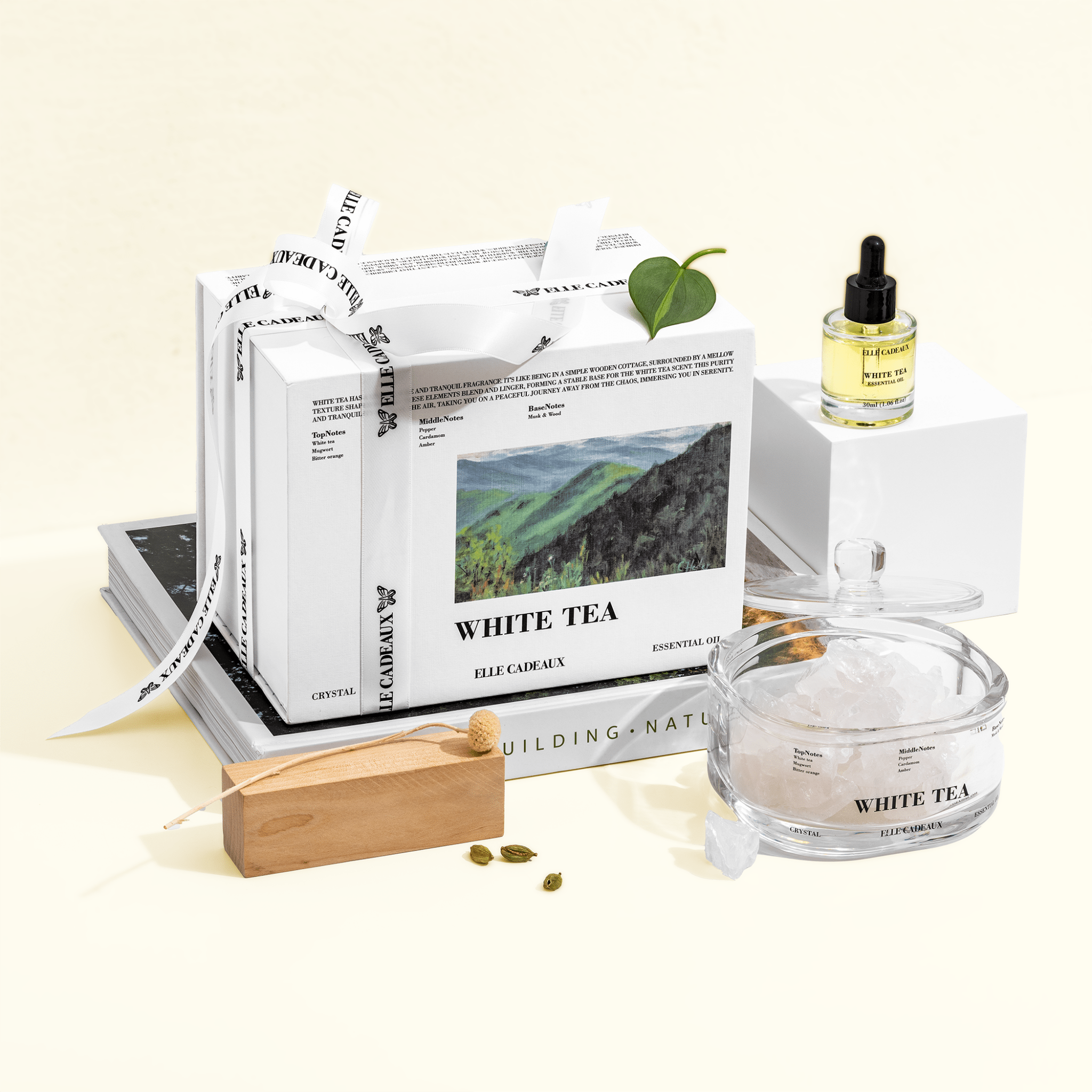
For homes marketed as modern, clean, and contemporary, white tea and light citrus fragrances work beautifully. They signal cleanliness, freshness, and contemporary aesthetics without feeling dated or heavy. They work particularly well in homes with modern design.
The Sophisticated Secondary: Subtle Florals
Soft florals (peony, magnolia) in secondary spaces create elegance without overwhelming. Using a primary scent in main areas and subtle floral variants in bedrooms creates a layered experience that feels high-end and intentional.
Staging With Scent: The Professional Approach
Timing Your Scenting for Maximum Impact
Professional sellers introduce fragrance 30 minutes before an open house or showing. Early introduction allows scent to permeate without being overwhelming. The goal is for buyers to notice the pleasant smell subconsciously, not to walk into obvious fragrance.
Intensity and Placement Strategy
Use a premium diffuser in the main living area or entryway where buyers first enter. Secondary scenting in bedrooms should be much lighter. The fragrance should be noticeable but not overwhelmingâpotential buyers should smell it and think "this home is clean and well-maintained," not "they're covering something."
Method Selection for Showing
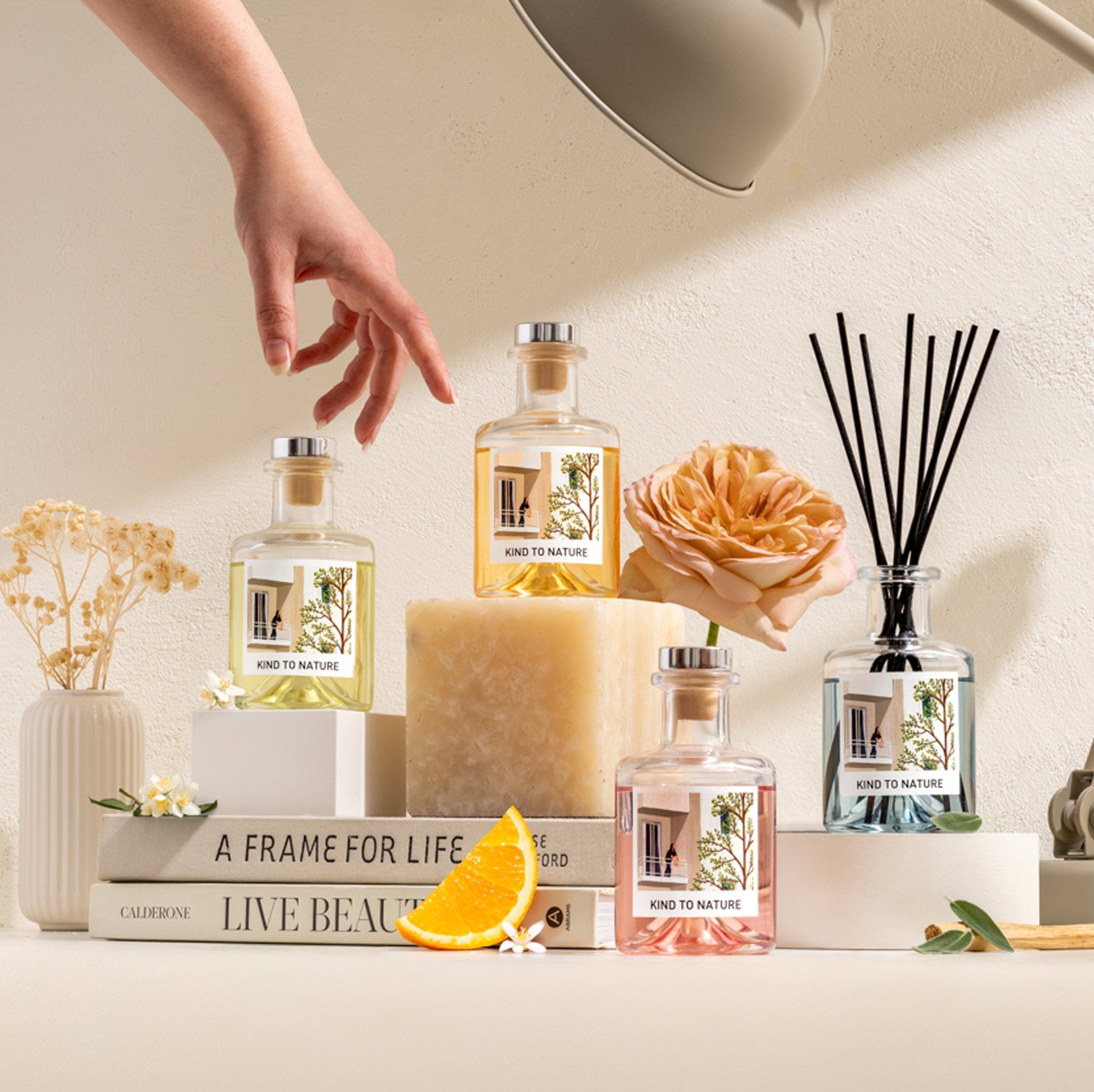
Avoid cooking smells (despite clichéd advice to bake cookiesâartificial food scents can seem manipulative). Instead, use professional-grade diffusers that provide consistent, subtle scent. Reed diffusers are ideal for open houses because they're silent and provide steady fragrance without adjustment.
Coordinating Scent With Visual Staging
Coordinate fragrance with your visual staging. A home styled as contemporary-minimal should smell fresh and clean (citrus, white tea). A cottage-style home should smell warm and welcoming (vanilla, soft florals). This olfactory-visual alignment creates coherent experience.
Scents to Avoid When Selling
Avoid Artificial or Chemical Smells
Cheap, artificial fragrances signal cost-cutting and create suspicion. Buyers unconsciously register artificial scent as "they're hiding something." Use authentic, quality fragrances that smell genuinely luxurious, not chemically masking something.
Avoid Overpowering Scents
More fragrance doesn't mean better. Overwhelming scent actually decreases purchase likelihoodâbuyers associate strong smells with cover-ups or aging properties. Subtle sophistication outperforms aggressive scenting.
Avoid Niche or Acquired Taste Fragrances
Don't use your personal favorite boutique fragrance. Choose universally appealing scents. A fragrance you adore might alienate a buyer. Stick to classic, broadly appealing options.
Avoid Scents Associated With Masking
Very strong citrus or floral air freshener scents feel like they're masking problems. Buyers unconsciously associate them with desperate odor masking. Choose sophisticated fragrances that suggest quality, not cover-up.
Frequently Asked Questions
Can scenting actually increase home sale price?
Yes, indirectly. Appropriate scenting increases buyer emotional response and likelihood of purchase, which accelerates sales. Faster sales in competitive markets often command better prices. Studies show homes using strategic scenting sell 5-20% faster, which in hot markets translates to higher final prices due to reduced negotiation pressure.
Should I scent my home for inspections and appraisals?
Yes, but lightly. Inspectors and appraisers are professionals, but they're still human. A subtle, positive scent creates favorable psychology without being obvious. Avoid extremely strong fragrance that might make professionals question whether you're covering problems.
What if my home actually has a legitimate smell problem?
Address the root cause first (pet odor remediation, mold treatment, ventilation repair). Then layer fragrance on top of that solution. Fragrance alone can't overcome serious odor problems, but it can enhance a clean-smelling home.
How long should I maintain the scenting after showing?
Keep your home lightly scented during the entire active listing period. This ensures every showing benefits from olfactory advantage. Once an offer is accepted, discontinue the scentingânew owners want to experience their home's authentic smell.
Related Articles You Might Enjoy
- Best Scents for Selling a House: A Realtorâs Secret Weapon
- What Real Estate Agents Use to Scent Open Houses
- The Psychology of Home Scent: Why Your House Smells Matters
- How to Choose the Perfect Reed Diffuser for Every Room
- Natural Home Fragrance: Science-Backed Ways to Scent Your Space
Frequently Asked Questions
What are the the best smells for selling your home fast in 2026?
Our curated guide covers the the best smells for selling your home fast in 2026, with expert recommendations and detailed comparisons to help you choose.
What is a crystal diffuser and how does it work?
A crystal diffuser uses natural crystals and essential oil blends with reed sticks to disperse fragrance without heat or flame. The reeds absorb the oil and release scent naturally into the air.
Where can I buy luxury crystal diffusers?
Elle Cadeaux offers a premium collection of crystal reed diffusers, essential oil blends, and luxury gift sets at ellecadeaux.com. Free shipping is available on select orders.