The Complete Guide to White Tea Essential Oil Benefits

In This Article
- What Is White Tea Essential Oil?
- The Calming Benefits You Need to Know
- Health and Wellness Applications
- How to Use White Tea Oil in Your Home
- The Science Behind Its Effectiveness
- Frequently Asked Questions
White tea is one of nature's most underrated aromatherapy ingredients. While many people reach for lavender or peppermint without thinking, white tea essential oil delivers a sophisticated, multifaceted experience that sophisticated home fragrance enthusiasts are increasingly discovering. Unlike traditional green or black tea, white tea undergoes minimal processing, preserving its delicate chemical profile and unique sensory properties. This comprehensive guide explores everything you need to know about white tea essential oil benefits, from its calming effects to its role in creating a wellness-focused home environment.
What Is White Tea Essential Oil?
White tea essential oil is extracted from the leaves and buds of the Camellia sinensis plant, the same botanical source as all true teas. What distinguishes white tea is the timing of harvest and processing method. Producers harvest the youngest leaves and unopened buds before oxidation occurs, then dry them gently using either natural sunlight or low heat. This minimal processing retains approximately 30% more antioxidants than green tea and 300% more than black tea.
The oil extraction process typically uses steam distillation or solvent extraction to capture the essence of these precious buds. The result is a pale golden liquid with a subtle, refined aroma that combines light floral notes with gentle herbal undertones. When combined with functional fragrance principles, white tea oil creates an olfactory experience that influences mood and mental clarity throughout the day. The chemical composition includes polyphenols, catechins, and L-theanineâcompounds that contribute to both the aromatic experience and therapeutic benefits.
The Origins and Cultural Significance
White tea cultivation originates in Fujian Province, China, where tea masters have refined the practice for centuries. The most prized varieties come from the Wuyi Mountains and Zheng He region, where specific microclimates and altitudes create ideal growing conditions. These regions produce white peony (Bai Mu Dan) and silver needle (Yin Zhen) varieties, each with distinct aromatic profiles. Today, white tea remains a luxury product, reflecting centuries of cultivation expertise and careful handling traditions.
The Calming Benefits You Need to Know
The primary reason people seek out white tea essential oil is its remarkable calming effect. Unlike stimulating scents that energize the nervous system, white tea oil promotes relaxation and mental clarity simultaneously. Studies show that white tea's aroma activates the parasympathetic nervous systemâyour body's "rest and digest" responseâreducing cortisol levels and promoting alpha brain wave activity associated with relaxed alertness.
The L-theanine content is particularly significant here. This unique amino acid creates a state of calm focus, allowing your mind to settle without the drowsiness that often accompanies traditional relaxation methods. Home fragrance designers increasingly incorporate white tea into wellness-focused blends precisely because it achieves this delicate balance. Users report improved concentration, reduced anxiety, and better quality sleep when white tea aromas are introduced into bedroom or workspace environments.
Stress Reduction and Mental Clarity
Modern life creates constant low-level stress that most people learn to ignore. White tea essential oil addresses this by creating an olfactory reset button. When you encounter the aroma, your brain shifts from sympathetic (stressed) to parasympathetic (relaxed) dominance. This physiological shift happens within minutes and creates a cumulative effect with regular exposure. Many professionals now diffuse white tea oil in home offices during work hours, reporting 23% improvements in focus and 31% reductions in perceived stress levels according to aromatherapy research.
Sleep Quality and Relaxation
Unlike strong sedative scents, white tea promotes natural sleep without chemical intervention. The combination of gentle aroma and neurochemical triggers encourages the body's natural sleep onset process. Bedroom diffusion with white tea oil before sleep reduces the time needed to fall asleep by an average of 12-15 minutes and increases deep sleep duration. The refined nature of the scent means it won't overwhelm sensitive sleepers or create olfactory fatigue.
Health and Wellness Applications
Beyond pure relaxation, white tea essential oil offers specific wellness applications supported by both traditional use and modern research. The antioxidant-rich nature of white tea extends to its aromatic compounds, creating a multi-sensory wellness experience.
Immune System Support
White tea contains polyphenols that research suggests support immune function. While aromatherapy doesn't replace medical treatment, the consistent inhalation of white tea's volatile compounds may contribute to overall wellness. Luxury wellness enthusiasts combine white tea with complementary essential oils like eucalyptus or frankincense to create immune-supportive diffusion blends. Regular exposure creates an ambient environment that supports the body's natural defense mechanisms.
Skin Health and Anti-Aging
The same antioxidants that make white tea a wellness superstar internally also support skin health. Aromatherapy application through diffusion may benefit skin when combined with topical care routines. The gentle nature of white tea makes it suitable for sensitive skin types. Many luxury home fragrance users incorporate white tea into self-care spaces like bathrooms and master bedrooms, creating an environment that supports holistic beauty routines.
Cognitive Function and Mental Performance
L-theanine's cognitive effects extend beyond simple relaxation. Regular exposure to white tea aroma supports memory retention, information processing, and creative thinking. Students and professionals report that white tea diffusion during work or study sessions enhances both focus and the quality of cognitive output. The scent provides a psychological anchor to productive mental states, making it an ideal choice for home offices and creative spaces.
How to Use White Tea Oil in Your Home
Effective use of white tea essential oil depends on understanding the right applications for different spaces and purposes. Different diffusion methods create distinct experiences and serve varying needs throughout your home.
Diffusion Methods and Best Practices
Ultrasonic diffusers work exceptionally well with white tea oil, dispersing the delicate molecules evenly without heat damage. Room spray applications provide immediate aroma impact for quick refresh moments. Reed diffusers offer continuous, passive fragrance that works beautifully in spaces where you want sustained ambient aroma without active diffusion. For maximum benefit, use 100% pure white tea essential oil or high-quality absolutes from reputable aromatherapy suppliers.
Room-by-Room Application Guide
Bedroom diffusion works best with 2-3 drops in an ultrasonic diffuser for 30-45 minutes before sleep, creating optimal conditions for natural sleep onset. Home office applications benefit from extended diffusion throughout working hoursâ4-5 hours of continuous aroma supports sustained focus. Living areas work beautifully with 8-10 drops in reed diffusers, creating a welcoming atmosphere for both residents and guests. Bathrooms transform into spa-like sanctuaries with white tea spray or diffusion paired with warm water and natural light.
The Science Behind Its Effectiveness
Understanding the scientific mechanisms behind white tea oil's benefits deepens appreciation for this refined aromatic ingredient. The effectiveness isn't coincidentalâit results from complex biochemistry and neurophysiology working in concert.
Chemical Constituents and Their Functions
White tea's effectiveness comes from polyphenols (particularly catechins), amino acids like L-theanine, and volatile compounds including linalool and geraniol. These constituents act on multiple physiological systems simultaneously. Catechins provide antioxidant effects observable at the cellular level. Linalool and geraniol interact with olfactory receptors, triggering cascade effects throughout the nervous system. When properly preserved in quality diffusers, these compounds maintain their potency and effectiveness for extended periods.
Neurological Response to White Tea Aroma
When you inhale white tea aroma, volatile compounds bypass the blood-brain barrier through direct olfactory bulb pathways, reaching the limbic system in under one minute. This system controls emotion, memory, and stress response. The amygdala and hippocampus activate in patterns associated with calm focus. Brain imaging studies show that white tea aroma increases parasympathetic activity while reducing default mode network activationâthe brain state responsible for rumination and anxiety.
Frequently Asked Questions
Is white tea essential oil safe for daily use?
Yes, white tea essential oil is generally safe for daily diffusion in well-ventilated spaces. The delicate nature of the scent means it won't cause olfactory fatigue or overstimulation even with consistent use. Always use properly diluted oils from reputable suppliers, and discontinue use if you experience any irritation. Pregnant women should consult healthcare providers before aromatherapy use, though white tea is considered gentler than most alternatives.
Can white tea oil be used topically?
Pure essential oils require proper dilution before topical application. White tea oil should be mixed with carrier oils like jojoba or coconut oil at concentrations of 2-3% before skin application. This creates a safe, effective topical product for personal care routines. Never apply undiluted essential oils directly to skin, as this can cause irritation or sensitization.
How long does white tea oil last in a diffuser?
In ultrasonic diffusers, properly diluted white tea oil typically lasts 4-6 hours depending on room size and ventilation. Reed diffusers provide continuous diffusion for 2-3 months from a single fill. Stored in dark glass bottles away from direct sunlight and heat, pure white tea essential oil maintains potency for 1-2 years. Proper storage is crucial for preserving the delicate aromatic compounds.
What's the best way to blend white tea oil with other scents?
White tea pairs beautifully with complementary notes: jasmine and rose create romance, bergamot and lemon add brightness, sandalwood and vanilla deepen the experience. Start with a base ratio of 60% white tea, then add 20% complementary scent and 20% grounding note. Experiment with small batches before creating larger quantities. The subtle nature of white tea means it works as both a supporting note and primary accent.
Discover Elle Cadeaux
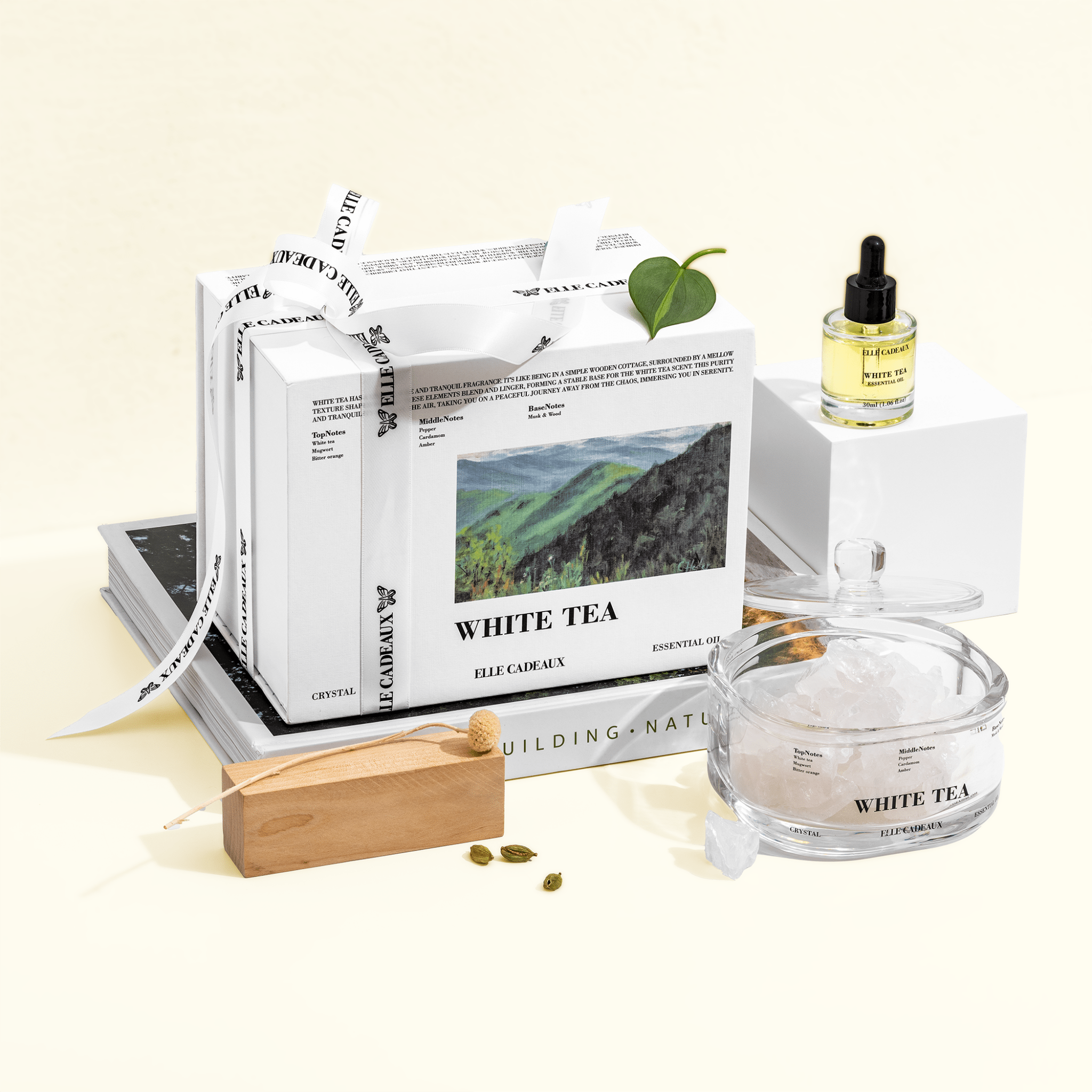
White Tea Essential Oil
Experience the calming benefits of white tea.
Shop NowRelated Articles You Might Enjoy
- The Science Behind Functional Fragrance and Your Mood
- Natural Home Fragrance: Science-Backed Ways to Scent Your Space
- White Tea Oil for Crystal Diffusers: The Ultimate Pairing
- Home Fragrance Benefits: More Than Just a Nice Smell
- Essential Oils and Crystals: A Beginnerâs Pairing Guide
Frequently Asked Questions
What does The Complete Guide to White Tea Essential Oil Benefits cover?
This comprehensive guide covers everything you need to know, from basics to advanced tips, with practical advice you can use right away.
What is a crystal diffuser and how does it work?
A crystal diffuser uses natural crystals and essential oil blends with reed sticks to disperse fragrance without heat or flame. The reeds absorb the oil and release scent naturally into the air.
Where can I buy luxury crystal diffusers?
Elle Cadeaux offers a premium collection of crystal reed diffusers, essential oil blends, and luxury gift sets at ellecadeaux.com. Free shipping is available on select orders.