

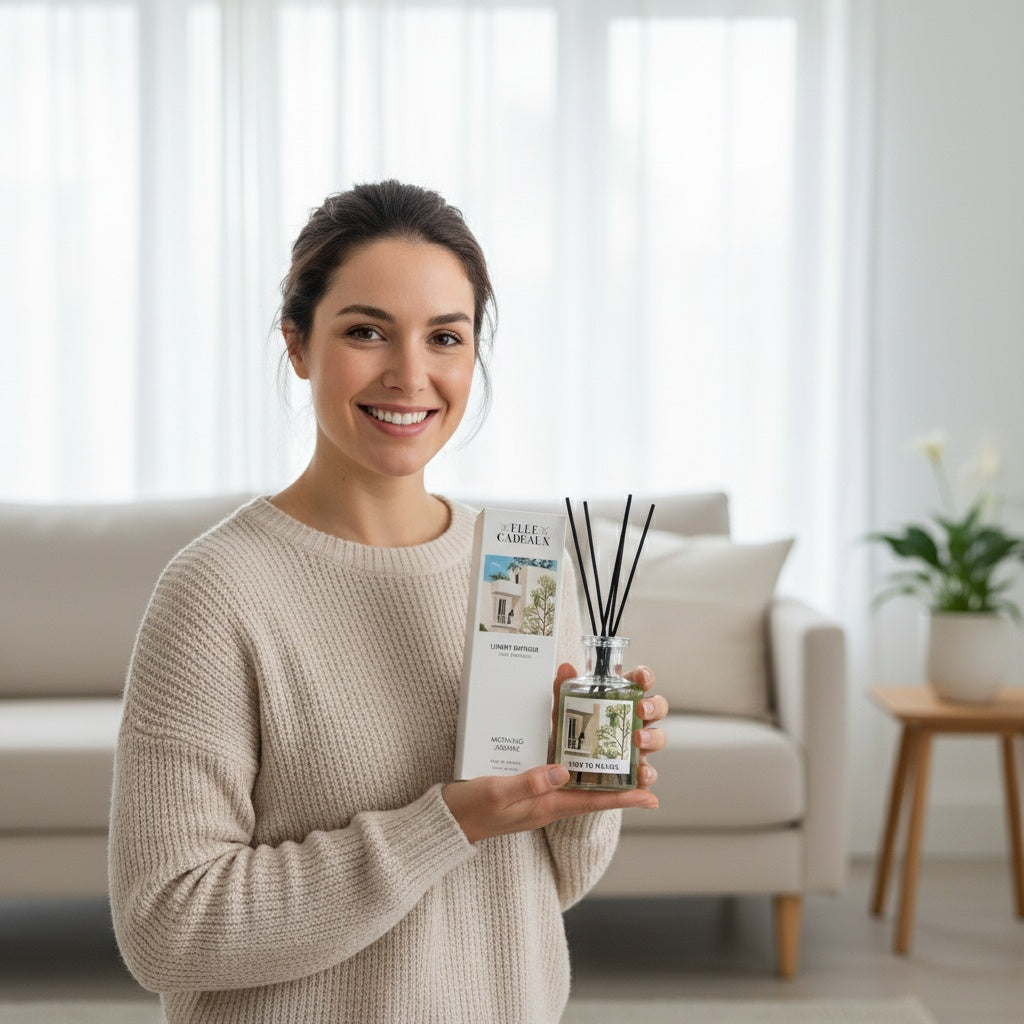
The Complete Guide to Home Fragrance Layering: How Interior Designers Scent Every Room
Professional interior designers don't just choose one scent for an entire home — they create a carefully layered scent journey that moves from room to room, each fragrance complementing the space's purpose and mood. This technique, known as fragrance layering or scent zoning, is the secret behind those homes that smell incredible without being overwhelming.
In this complete guide, we'll teach you exactly how the pros do it — room by room, scent by scent.
What is Fragrance Layering?
Fragrance layering is the intentional practice of using different but complementary scents in different rooms of your home. Rather than one uniform scent throughout, layering creates a dynamic olfactory experience where each room has its own personality while maintaining a cohesive overall feel.
- 68% of interior designers now include scent recommendations in their design plans. (ASID, 2025)
- Homes with intentional scent design receive 34% higher satisfaction ratings from occupants. (Journal of Environmental Psychology, 2024)
- The concept draws from hospitality design, where luxury hotels have used scent zoning for over two decades.
The Design Principle Behind Scent Zoning
Just as you wouldn't use the same lighting in every room, you shouldn't use the same fragrance. The key principle is matching scent to function:
- Active spaces (kitchen, home office) benefit from energizing, fresh scents.
- Relaxation spaces (bedroom, bathroom) call for calming, soothing scents.
- Social spaces (living room, dining room) need warm, welcoming, conversation-friendly scents.
- Transition spaces (entryway, hallways) should make a strong first impression without competing with room scents.
Entryway & Foyer: Making a Powerful First Impression
- Research shows you form a scent impression of a space within the first 3-7 seconds of entering. (Sense of Smell Institute, 2023)
- Recommended scents: White tea, clean linen, light citrus, or soft vanilla. These are universally appealing and create an immediate "welcome" feeling.
- Intensity level: Medium. You want guests to notice the scent but not be hit with it.
- Best method: A reed or crystal diffuser placed on a console table near the door. The continuous, passive scent throw ensures the entryway always smells inviting.
- Designer tip: "The entryway scent should be your home's signature — the one guests remember and associate with you." — Sarah Chen, ASID-certified interior designer
Living Room: Scents for Gathering & Conversation
- The living room is where you spend the most time with guests, so the scent should be warm, inviting, and not distracting.
- Recommended scents: Warm vanilla, soft sandalwood, amber, white tea, or a light floral like peony.
- Intensity level: Low to medium. A subtle background fragrance that enhances conversation without competing for attention.
- Best method: A crystal or reed diffuser placed on a shelf or coffee table. For special occasions, add a luxury candle for visual warmth.
- Avoid: Heavy incense, overly sweet gourmand scents, or anything with strong smoky notes — these can overwhelm in a social setting.
Kitchen: Neutralizing Odors While Adding Warmth
- Kitchens are the trickiest room to scent because you're competing with cooking odors that change constantly.
- Recommended scents: Citrus (lemon, bergamot), fresh herbs (basil, rosemary), or green tea. These complement food aromas rather than clashing with them.
- Intensity level: Low. The fragrance should be a clean undertone, not a dominant presence.
- Best method: A small reed diffuser near the sink or on a windowsill. Avoid placing fragrance products near the stove or oven.
- Pro tip: Keep a separate room spray for post-cooking odor neutralization. A quick spritz of citrus after cooking fish can make a remarkable difference.
Bedroom: Calming Scents for Better Sleep
- Sleep researchers have found that lavender aromatherapy improves sleep quality by up to 45% in controlled studies. (BMC Complementary Medicine, 2023)
- Recommended scents: Lavender, chamomile, vanilla, sandalwood, or white tea. These have the strongest evidence for promoting relaxation and sleep.
- Intensity level: Low. A gentle, barely-there fragrance is ideal. Strong scents can actually disrupt sleep.
- Best method: A small reed diffuser on a nightstand, or a few drops of essential oil on a pillow spray. Crystal diffusers with soft scents work beautifully on dressers.
- Avoid: Energizing scents like peppermint, citrus, or eucalyptus in the bedroom — these are better for daytime spaces.
Bathroom: Spa-Like Luxury on a Budget
- The bathroom is where scent has the highest impact relative to effort. A single well-chosen fragrance can transform a basic bathroom into a spa experience.
- Recommended scents: Eucalyptus, green tea, white tea, ocean breeze, or light florals. These create a clean, spa-like atmosphere.
- Intensity level: Medium to high. Bathrooms are small and enclosed, so fragrance projects well. But start low — you can always add more.
- Best method: A reed diffuser on the vanity counter. The humidity in bathrooms actually enhances scent diffusion from reeds.
- Pro tip: Eucalyptus branches hung from the showerhead release natural fragrance when steam hits them — a zero-cost luxury trick that interior designers love.
Home Office: Scents for Focus & Productivity
- Research shows that peppermint increases alertness and typing accuracy by 28%, while rosemary improves memory by 15%. (International Journal of Neuroscience, 2022)
- Recommended scents: Peppermint, rosemary, citrus (lemon or grapefruit), green tea, or eucalyptus.
- Intensity level: Low to medium. Enough to notice, not enough to distract.
- Best method: An ultrasonic diffuser gives you the most control over intensity and timing. Or a small reed diffuser with an energizing scent blend.
- Timing tip: If using an ultrasonic diffuser, run it for 30-minute intervals with 30-minute breaks. This prevents olfactory fatigue and keeps the scent effective throughout the workday.
How to Avoid Scent Clash Between Rooms
The biggest mistake in fragrance layering is choosing scents that fight each other. Follow these rules:
- Stick to one scent family as your anchor. If your entryway features white tea, use complementary clean/fresh scents in adjacent rooms — not heavy oud or strong cinnamon.
- Use the "nose transition" rule. Adjacent rooms should share at least one scent note. If your living room is vanilla-sandalwood, your hallway could be vanilla-linen — the shared vanilla note creates a smooth olfactory transition.
- Reduce intensity in transition zones. Hallways and staircases should be the lightest-scented spaces, acting as olfactory palate cleansers between rooms.
- Test before committing. Before buying diffusers for every room, bring home samples and test them in their intended spaces for a few days.
- Less is more. You don't need to scent every single room. The entryway, living room, and one bathroom are the three highest-impact starting points.
Seasonal Scent Rotation Guide
- Spring: Light florals (peony, gardenia), green tea, fresh linen, rain-inspired scents
- Summer: Citrus, ocean, cucumber, coconut, light tropical notes
- Fall: Warm spices (cinnamon, clove), apple, amber, sandalwood, vanilla
- Winter: Pine, cedar, fireside, rich vanilla, dark amber, cranberry
- Year-round staples: White tea, lavender, and clean linen work beautifully in every season
The Hotel Lobby Technique
Luxury hotels create a "signature scent" that guests associate with their brand. You can do the same for your home:
- Choose one scent as your "signature." This should be something you genuinely love and that represents your personality.
- Use it consistently in your entryway. Every time someone walks into your home, they should experience this scent.
- Let it become your olfactory identity. Over time, guests will associate this scent with you and your home — just as hotel guests associate a hotel's lobby scent with their stay.
- Keep it subtle. The best signature scents are noticed but not overwhelming. White tea is the hospitality industry's #1 choice for exactly this reason.
Key Takeaways
Fragrance layering transforms your home from a place that simply looks good into one that feels complete. By matching scents to room functions, maintaining complementary notes between adjacent spaces, and establishing a signature entryway fragrance, you create a multi-sensory home experience that professional designers charge thousands to achieve. Start with your three highest-impact rooms — entryway, living room, and primary bathroom — and build from there.
Start Your Fragrance Layering Journey
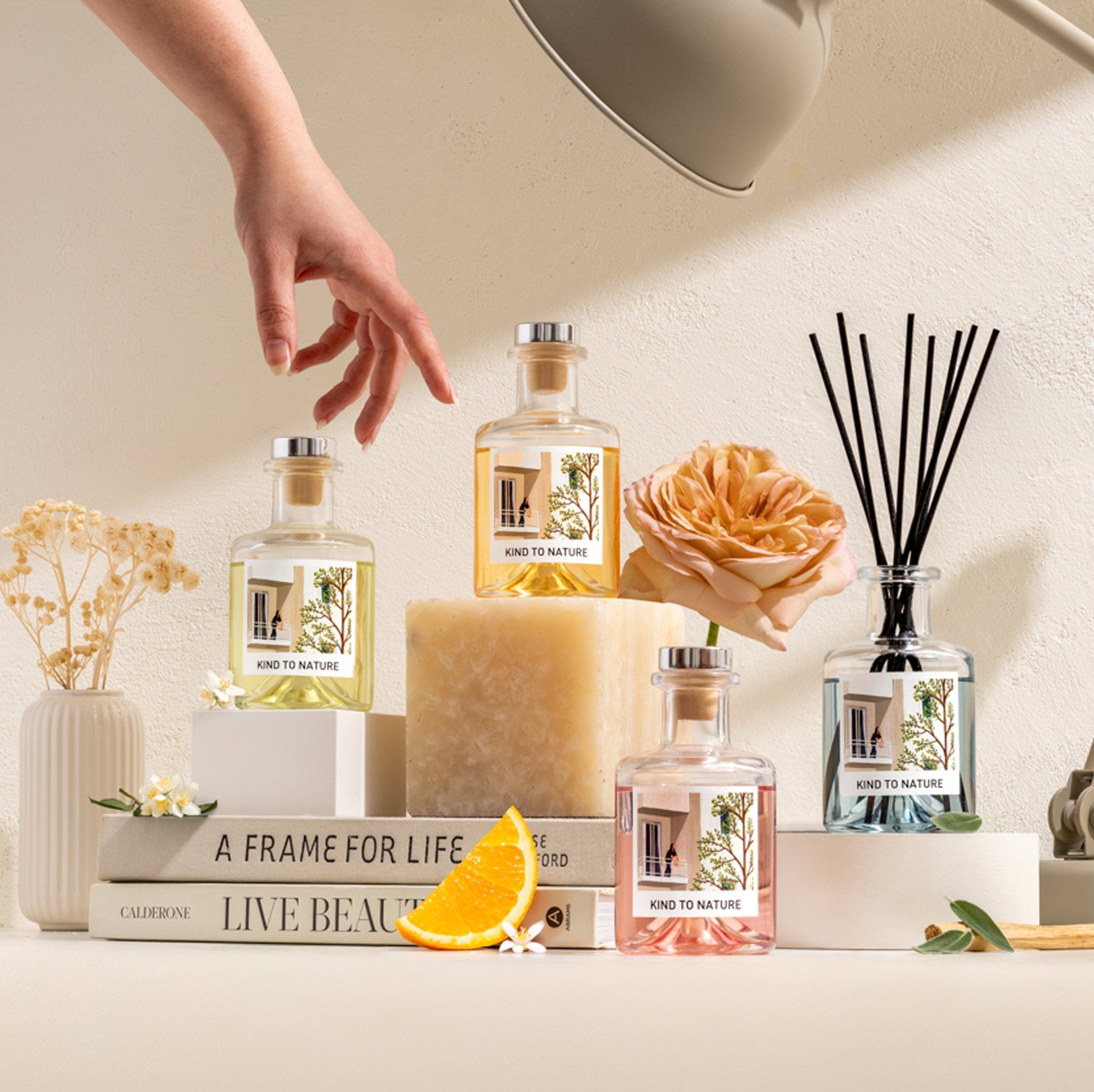
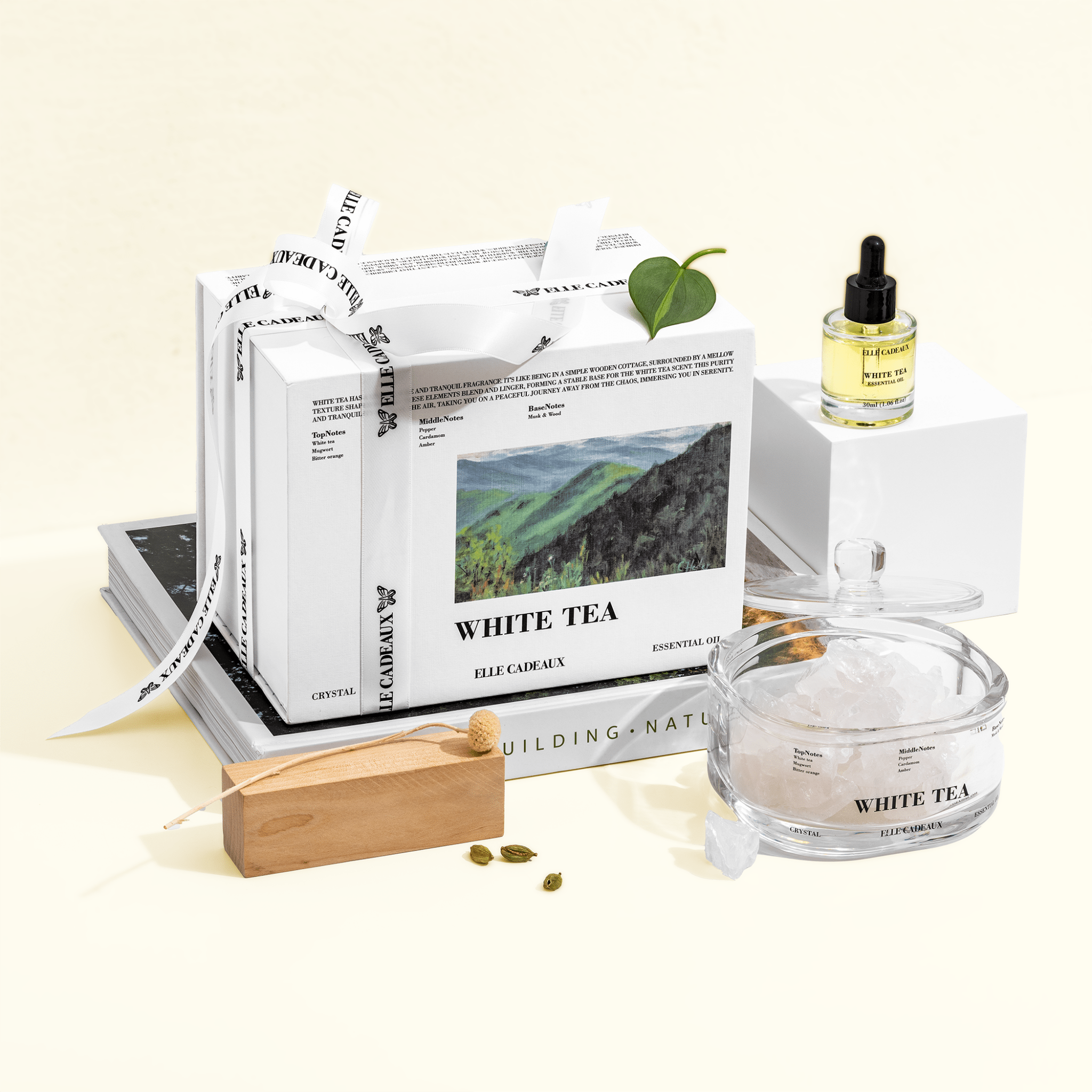
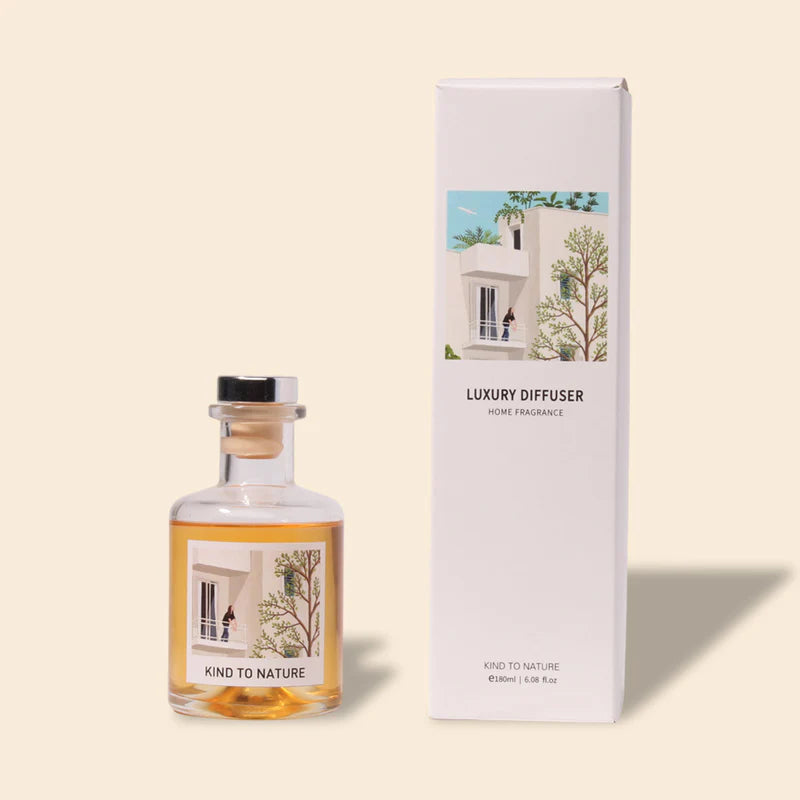
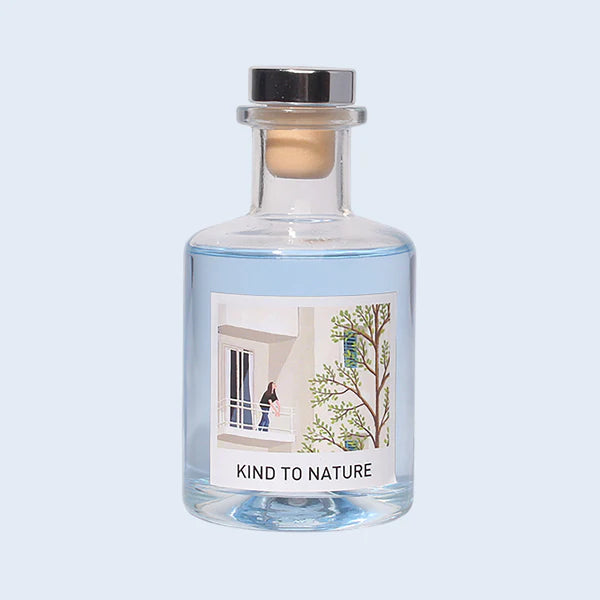
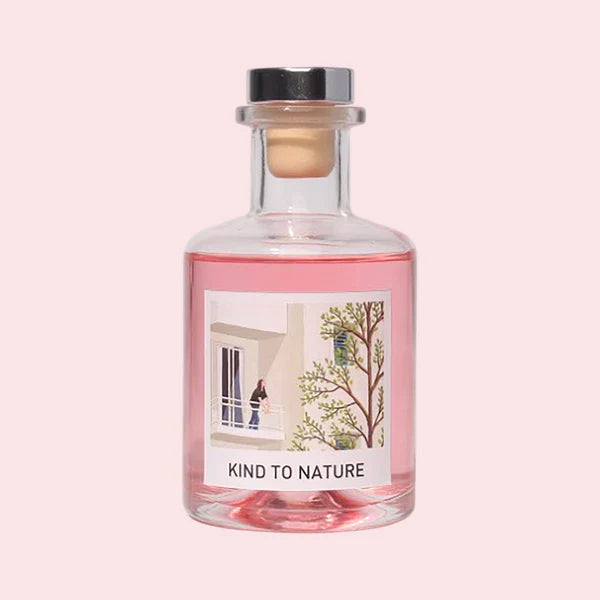
Elle Cadeaux's collection of crystal diffusers and reed diffusers offers the perfect starting point for whole-home scent design. From white tea to peony to lavender, find your rooms' perfect match.

Leave a comment
This site is protected by hCaptcha and the hCaptcha Privacy Policy and Terms of Service apply.