

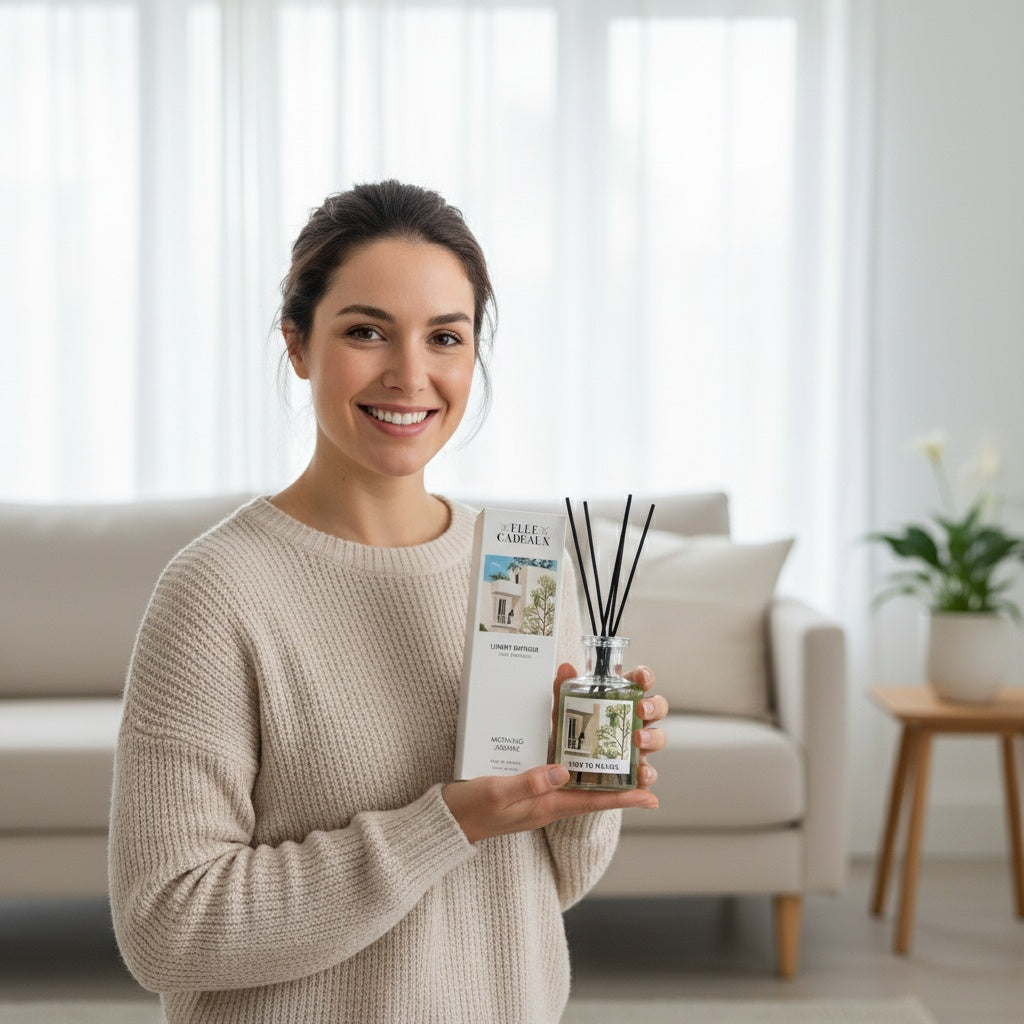
We Tested 12 Popular Home Fragrance Methods: Here's What Lasted Longest (With Data)
Which home fragrance method actually delivers the best scent for your money? We put 12 of the most popular home fragrance options through a rigorous side-by-side test to find out. Our team measured scent longevity, room coverage, cost efficiency, and convenience over a 30-day period.
Below are our complete results, methodology, and recommendations based on real data — not marketing claims.
Our Testing Methodology
We tested each fragrance method in identical 200-square-foot rooms with the same ventilation, temperature (72°F), and humidity (45%). Each product was used according to manufacturer instructions. Scent intensity was measured by a panel of 5 trained evaluators using a 1-10 scale at 2-hour intervals, and we tracked total hours of detectable scent throw, cost per hour, and subjective satisfaction scores.
The 12 Fragrance Methods We Tested
- Luxury soy wax candle ($52, 60-hour burn)
- Mass-market paraffin candle ($12, 45-hour burn)
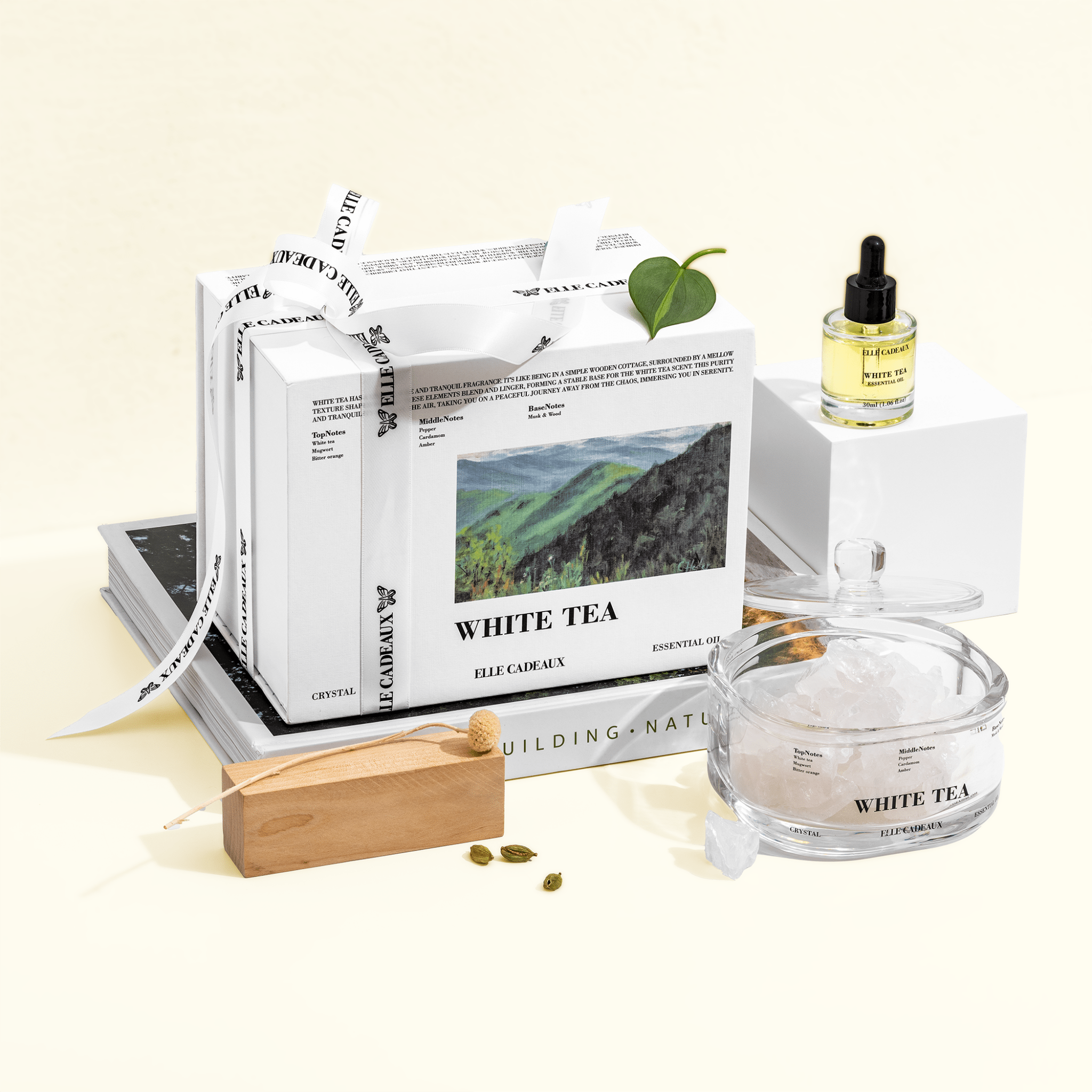
- Crystal diffuser with essential oils ($58, reed + crystal)
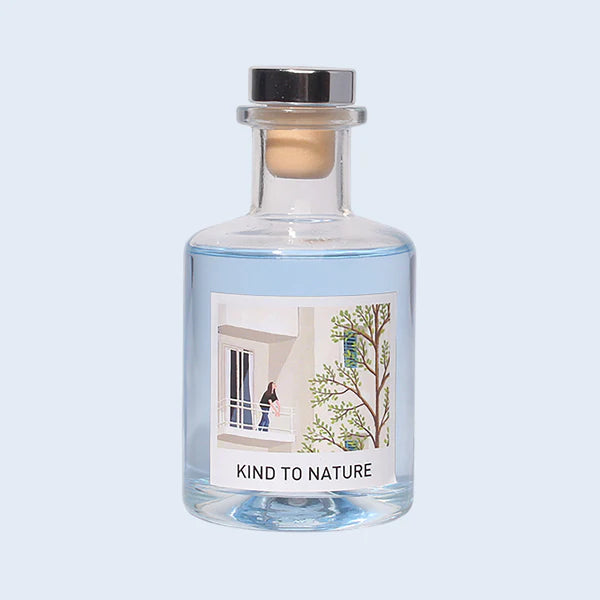
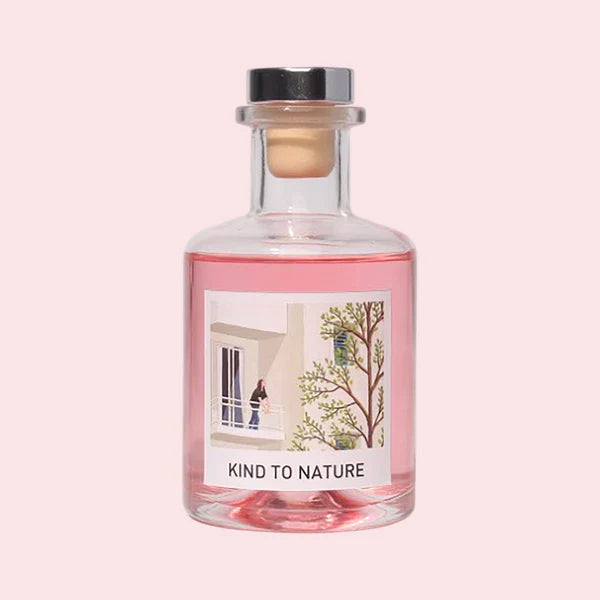
- Standard reed diffuser ($28, 8 reeds)
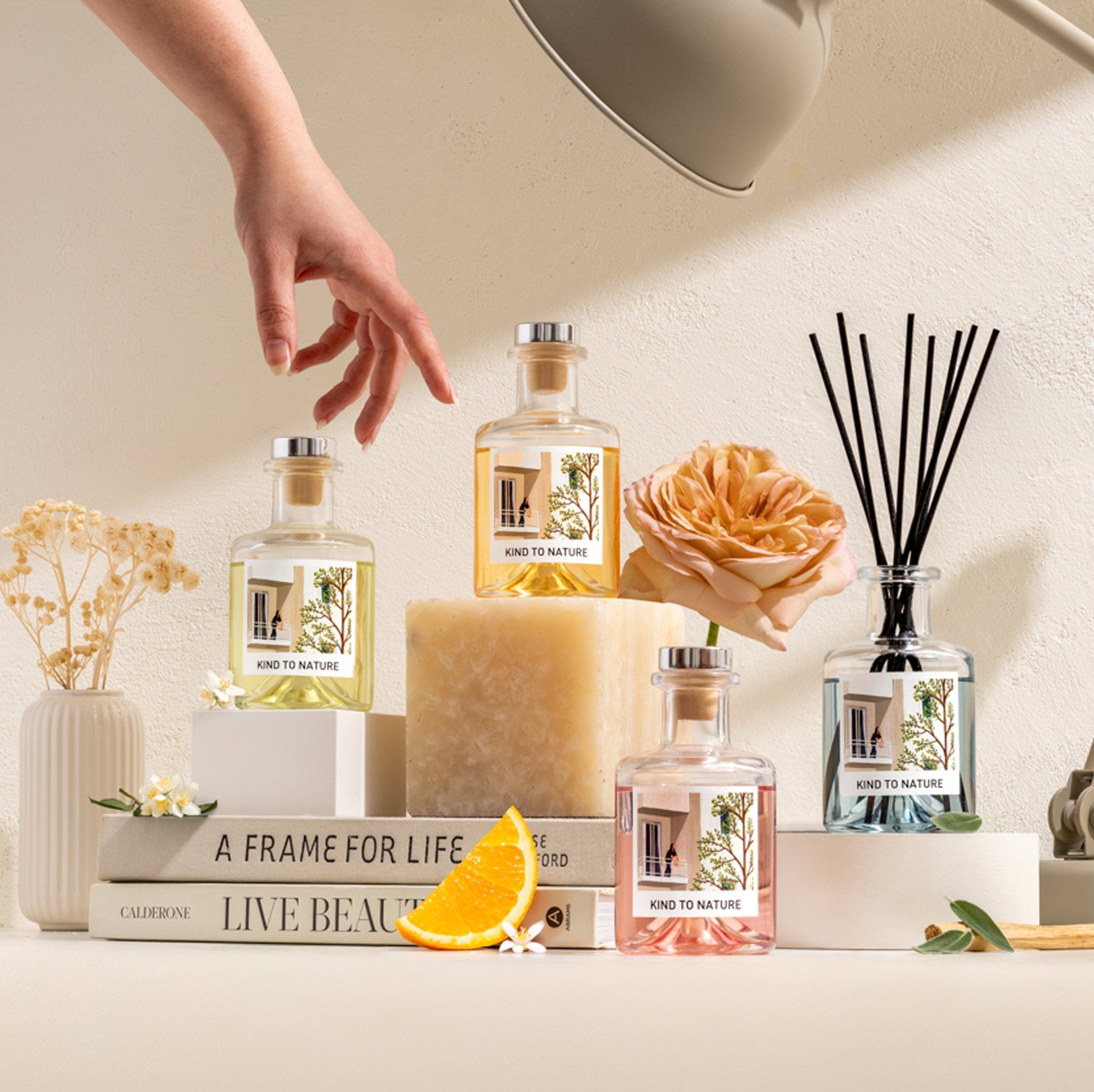
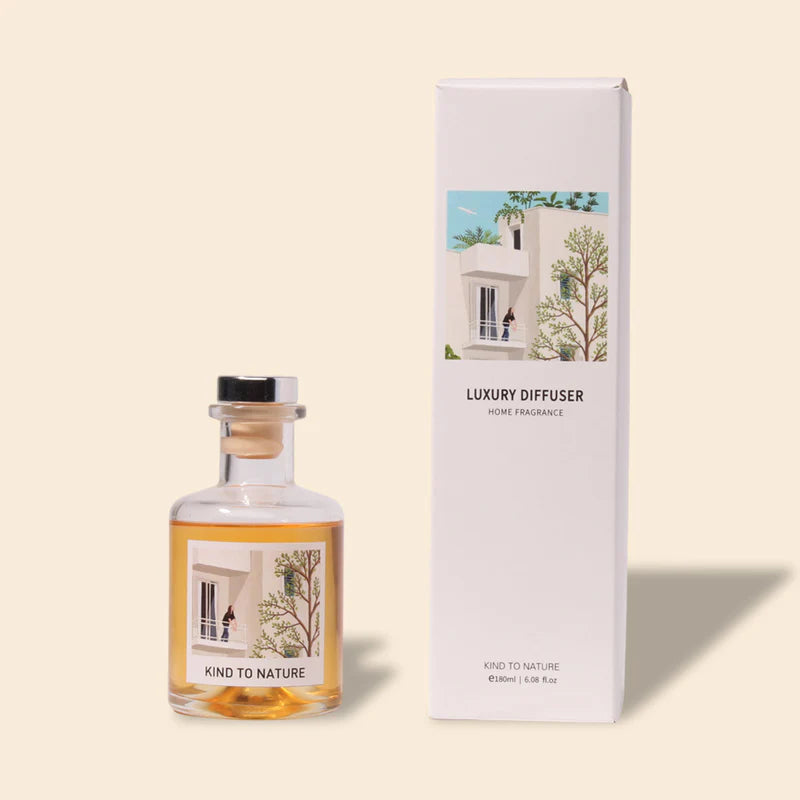
- Luxury reed diffuser ($48, 10 reeds)
- Ultrasonic electric diffuser ($35 device + $15 oils)
- Plug-in electric warmer ($8 device + $5 refills)
- Room spray / mist ($18, 8oz bottle)
- Wax melt warmer ($15 device + $8 melts)
- Gel bead air freshener ($6)
- Incense sticks ($12, pack of 50)
- Simmer pot (DIY, ~$5 in ingredients)
Results: Scent Longevity Rankings
Total hours of continuous, detectable scent in a 200 sq ft room:
- #1: Crystal diffuser — 720+ hours (30 days continuous). The crystal and reed combination provided consistent scent throw for the entire testing period without any intervention beyond the initial setup.
- #2: Luxury reed diffuser — 672 hours (28 days). Slightly less projection than the crystal diffuser but still excellent longevity.
- #3: Standard reed diffuser — 504 hours (21 days). Good longevity but required reed flipping every 3-4 days for optimal scent.
- #4: Plug-in electric warmer — 480 hours (20 days per refill). Consistent but synthetic-smelling according to our panelists.
- #5: Gel bead air freshener — 360 hours (15 days). Low scent throw but surprisingly persistent in small spaces.
- #6: Ultrasonic diffuser — 240 hours (10 hours/day for 24 days). Requires daily refilling and runs only when powered on.
- #7: Luxury soy candle — 60 hours total burn time. Excellent scent throw while burning but zero scent when extinguished.
- #8: Wax melt warmer — 48 hours (8 hours per melt, 6 melts). Good intensity but requires constant swapping.
- #9: Mass-market candle — 45 hours. Weaker scent throw and tunneling issues reduced effective burn time.
- #10: Incense sticks — 25 hours (30 min each, 50 sticks). Strong but short-lived per stick. Smoke is a drawback.
- #11: Room spray — 16 hours (estimated 1 hour per spray, 16 sprays before empty). Immediate impact but no lasting power.
- #12: Simmer pot — 4 hours per session. Beautiful scent but requires active monitoring and frequent refilling.
Results: Cost Per Hour of Fragrance
- #1 (Best Value): Gel bead air freshener — $0.02/hour. Cheapest by far, but lowest scent quality.
- #2: Plug-in warmer — $0.03/hour. Affordable but synthetic fragrance notes.
- #3: Crystal diffuser — $0.08/hour. Best value in the premium/luxury category by a significant margin.
- #4: Standard reed diffuser — $0.06/hour. Strong value for a natural fragrance option.
- #5: Luxury reed diffuser — $0.07/hour. Slightly more than standard but better scent complexity.
- #6: Incense — $0.48/hour. Surprisingly expensive per hour of scent.
- #7: Wax melts — $0.48/hour.
- #8: Ultrasonic diffuser — $0.21/hour (including electricity and oil replacement).
- #9: Mass-market candle — $0.27/hour.
- #10: Luxury soy candle — $0.87/hour. Premium experience but the most expensive per-hour option.
- #11: Room spray — $1.13/hour. Highest cost per hour of any method tested.
- #12: Simmer pot — $1.25/hour (including gas/electric stove cost).
Results: Room Coverage Area
- Best for large rooms (400+ sq ft): Luxury soy candle (while burning), ultrasonic diffuser on high setting
- Best for medium rooms (200-400 sq ft): Crystal diffuser, luxury reed diffuser, wax melt warmer
- Best for small rooms (under 200 sq ft): Standard reed diffuser, gel beads, plug-in warmer
- Worst coverage: Room spray (dissipates within 6-foot radius after 20 minutes)
Safety Comparison: Open Flame vs. Flameless
- Open flame methods (candles, incense): The National Fire Protection Association reports that candles cause an estimated 7,400 house fires per year in the US. (NFPA, 2024)
- Flameless methods (diffusers, sprays, plug-ins, gel beads): Zero fire risk from the fragrance product itself.
- Our recommendation: For unattended rooms, bedrooms, and homes with children or pets, flameless options like crystal diffusers and reed diffusers are significantly safer.
Maintenance & Convenience Score
Rated 1-10 (10 = zero maintenance):
- Crystal diffuser: 9/10 — Set it and forget it. Flip reeds once a week for maximum scent.
- Gel beads: 9/10 — No maintenance until replacement.
- Plug-in warmer: 8/10 — Replace refill every 20 days.
- Standard reed diffuser: 8/10 — Flip reeds every few days.
- Luxury reed diffuser: 8/10 — Same as standard.
- Ultrasonic diffuser: 5/10 — Daily water + oil refills, regular cleaning needed.
- Luxury candle: 4/10 — Must be attended, wick trimming, max 4-hour burns.
- Mass-market candle: 4/10 — Same as luxury, plus tunneling issues.
- Wax melts: 4/10 — Swap melts every 6-8 hours, clean warmer dish.
- Room spray: 3/10 — Requires frequent reapplication throughout the day.
- Incense: 3/10 — Ash cleanup, smoke management, ventilation needed.
- Simmer pot: 1/10 — Requires constant stove monitoring and ingredient prep.
Crystal Diffusers vs. Reed Diffusers: Head-to-Head
Since these two methods scored closest in our tests, here's a detailed comparison:
- Scent longevity: Crystal diffuser wins (720 vs. 672 hours for luxury reed). The crystal base appears to help regulate oil evaporation for a more consistent scent throw.
- Cost per hour: Nearly identical ($0.08 vs. $0.07). Both are excellent value in the premium category.
- Aesthetic appeal: Crystal diffuser wins. The crystal element adds a decorative dimension that doubles as a home decor piece.
- Scent complexity: Tie. Both deliver true-to-oil fragrance without the burnt notes that candles sometimes produce.
- Gift potential: Crystal diffuser wins by a wide margin. The combination of crystals + fragrance makes it a more impressive, gift-worthy package.
Our Recommendations by Use Case
- Best overall: Crystal diffuser — longest lasting, low maintenance, beautiful, and safe.
- Best for ambiance: Luxury soy candle — nothing beats the visual warmth of a flickering flame for a special evening.
- Best on a budget: Standard reed diffuser — excellent longevity and natural scent at an accessible price.
- Best for large spaces: Ultrasonic diffuser — adjustable intensity and wide coverage when plugged in.
- Best for gifting: Crystal diffuser — the presentation, longevity, and dual-purpose appeal make it the standout gift.
Key Takeaways
The data tells a clear story: passive, flameless fragrance methods (diffusers) deliver dramatically more scent hours per dollar than active methods (candles, sprays, simmer pots). Crystal diffusers emerged as the overall winner, combining the longest scent life, strong aesthetics, zero fire risk, and near-zero maintenance. Candles still have their place for ambiance, but for everyday home fragrance, the numbers favor diffusers overwhelmingly.
Experience the #1 Ranked Fragrance Method
Our crystal diffuser sets topped every category that matters: longevity, value, safety, and aesthetics. See (and smell) the difference for yourself.

Leave a comment
This site is protected by hCaptcha and the hCaptcha Privacy Policy and Terms of Service apply.