

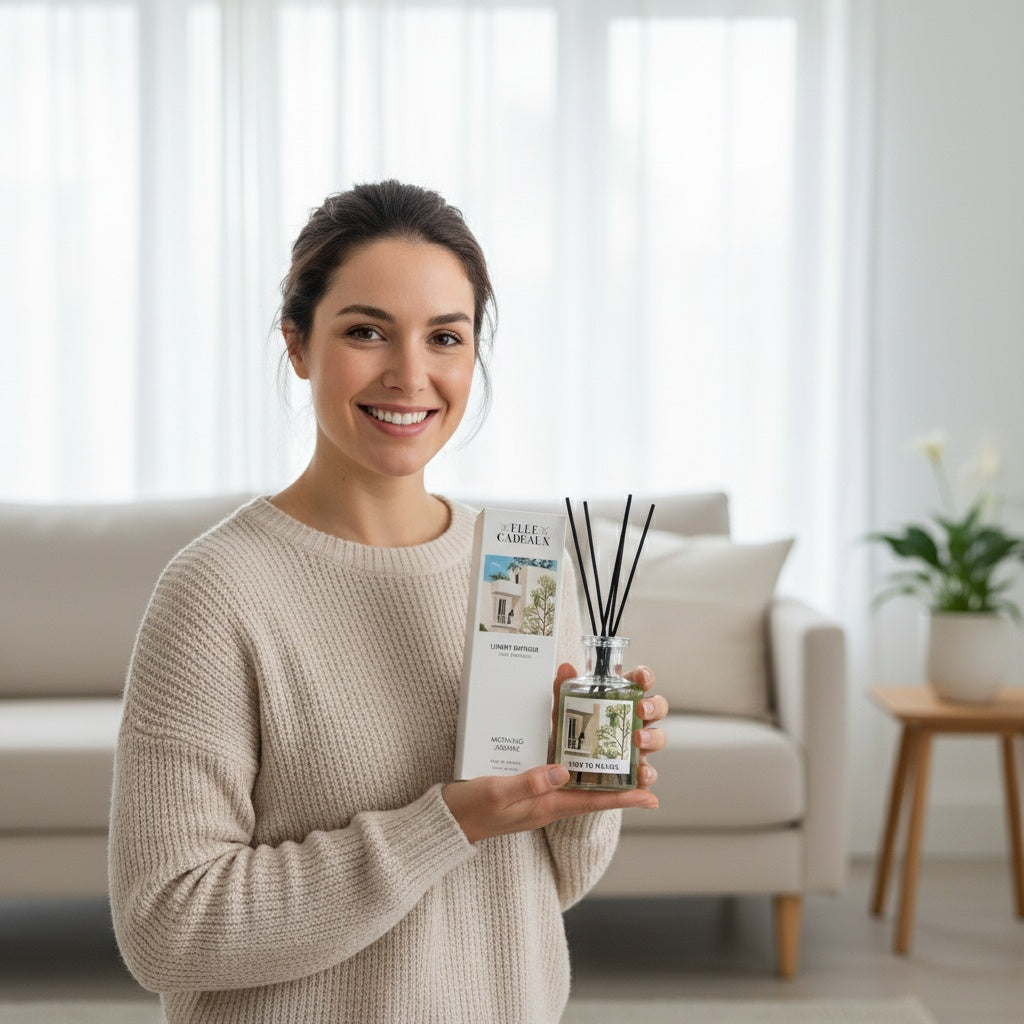
30+ Luxury Candle & Home Scent Market Statistics: The $12 Billion Industry in 2026
The luxury home scent market has transformed from a seasonal indulgence into a year-round lifestyle category worth billions. As consumers increasingly view their homes as personal sanctuaries, the demand for premium candles, artisan diffusers, and high-end fragrance products has never been higher.
Here are 30+ statistics on the luxury candle and home scent market, covering market sizing, consumer preferences, brand trends, and the forces reshaping the industry in 2026.
Global Candle Market Size & Revenue
- The global candle market is valued at $13.7 billion in 2026. (Grand View Research, 2025)
- Scented candles account for 76% of all candle sales by revenue. (National Candle Association, 2025)
- The US alone represents $5.2 billion in candle sales, making it the world's largest candle market. (Statista, 2025)
- Over 1 billion pounds of wax are used annually in US candle production. (National Candle Association, 2025)
- Candle market growth is projected at 5.8% CAGR through 2030. (Mordor Intelligence, 2025)
Luxury Candle Segment: Growth vs. Mass Market
- The luxury candle segment is worth $2.8 billion globally and growing at 10.5% annually — nearly double the mass-market growth rate. (Euromonitor, 2025)
- Luxury candles (priced $40+) represent 20% of candle sales by revenue but only 6% by unit volume. (NPD Group, 2025)
- The average luxury candle buyer purchases 4.2 candles per year at an average of $52 each. (Mintel, 2025)
- DTC luxury candle brands have grown 148% since 2020, disrupting traditional retail channels. (Shopify Commerce Report, 2025)
Top Brands by Market Share
- Yankee Candle (Newell Brands) leads the overall candle market with approximately 12% US market share. (Euromonitor, 2025)
- In the luxury segment, Diptyque, Jo Malone, and Voluspa are the three most recognized brands. (Luxury Institute, 2025)
- Bath & Body Works dominates the mid-market with 18% of US scented candle sales. (NPD Group, 2025)
- Emerging artisan and DTC brands collectively hold 22% of the luxury segment, up from 9% five years ago. (McKinsey, 2025)
Candle vs. Diffuser vs. Room Spray: Consumer Preferences
- Candles remain #1 in consumer preference with 62% of home fragrance buyers purchasing at least one candle annually. (Mintel, 2025)
- However, diffuser preference has grown from 18% to 34% of consumers since 2020 — nearly doubling. (NPD Group, 2025)
- Among consumers who switched from candles to diffusers, the top reasons were: safety (56%), longevity (43%), and convenience (38%). (Mintel Consumer Survey, 2025)
- Room sprays and mists are preferred by 28% of consumers as a "quick refresh" option. (Mintel, 2025)
- 41% of home fragrance enthusiasts use multiple fragrance methods (candle + diffuser, for example). (NPD Group, 2025)
Price Points: Mass vs. Premium vs. Luxury
- Mass-market candles average $8-$15 per unit (Yankee Candle, Bath & Body Works). (NPD Group, 2025)
- Premium candles range from $25-$45 (Voluspa, Nest Fragrances). (NPD Group, 2025)
- Luxury candles are priced $50-$95+ (Diptyque, Jo Malone, Byredo). (NPD Group, 2025)
- Premium reed diffusers average $30-$55, while luxury crystal diffusers range from $50-$80. (Euromonitor, 2025)
- The price gap between mass-market and luxury has widened 15% since 2020, indicating premiumization. (Euromonitor, 2025)
Seasonal Sales Patterns
- 35% of annual candle sales occur in Q4 (October-December). (National Candle Association, 2025)
- Candle sales spike 280% during the week before Christmas compared to average weekly sales. (Statista, 2025)
- However, year-round candle use has increased 42% since 2019, reducing seasonal dependency. (NPD Group, 2025)
- Diffuser sales are more evenly distributed across seasons than candles, with a peak-to-trough ratio of just 1.4x vs. candles at 3.2x. (NPD Group, 2025)
Clean & Non-Toxic Demand
- 67% of candle buyers now actively look for "clean," "non-toxic," or "natural" labels. (Mintel, 2025)
- Soy wax candles have grown to 38% market share, up from 21% in 2018, as paraffin wax faces scrutiny. (Grand View Research, 2025)
- 55% of consumers are willing to pay more for home fragrance free of synthetic chemicals. (Nielsen, 2025)
- Phthalate-free fragrance oils have become the standard in the premium and luxury segments. (Fragrance Foundation, 2025)
Social Media Influence on Purchases
- 52% of consumers under 35 discover new home fragrance brands through social media. (Mintel, 2025)
- #CandleTok has over 8.6 billion views on TikTok. (TikTok, 2026)
- Influencer recommendations drive 34% of first-time luxury candle purchases among millennials. (Later Social Media Report, 2025)
- Brands with strong visual aesthetics (packaging, flame shots, lifestyle imagery) see 2.8x higher social engagement. (Sprout Social, 2025)
Key Takeaways
The luxury home scent market is in a period of premiumization, where consumers are willing to pay significantly more for quality, safety, and aesthetics. The rise of flameless alternatives like crystal and reed diffusers represents a structural shift in how people fragrance their homes. For consumers and industry players alike, the data tells a clear story: home fragrance is no longer a commodity — it's a lifestyle statement.
We update this page as new industry data is released. Please link back when citing these statistics.
Experience Luxury Home Fragrance
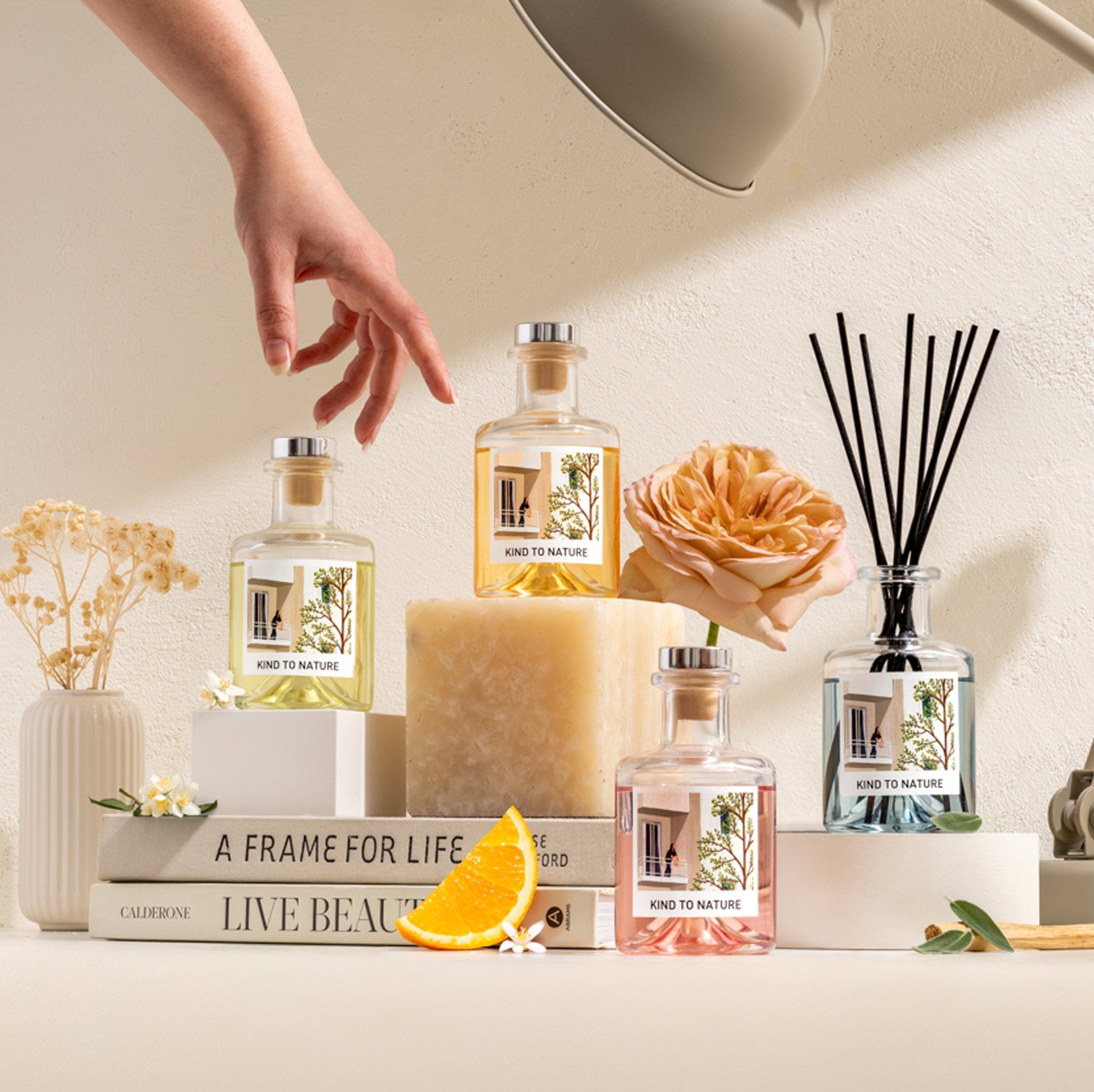
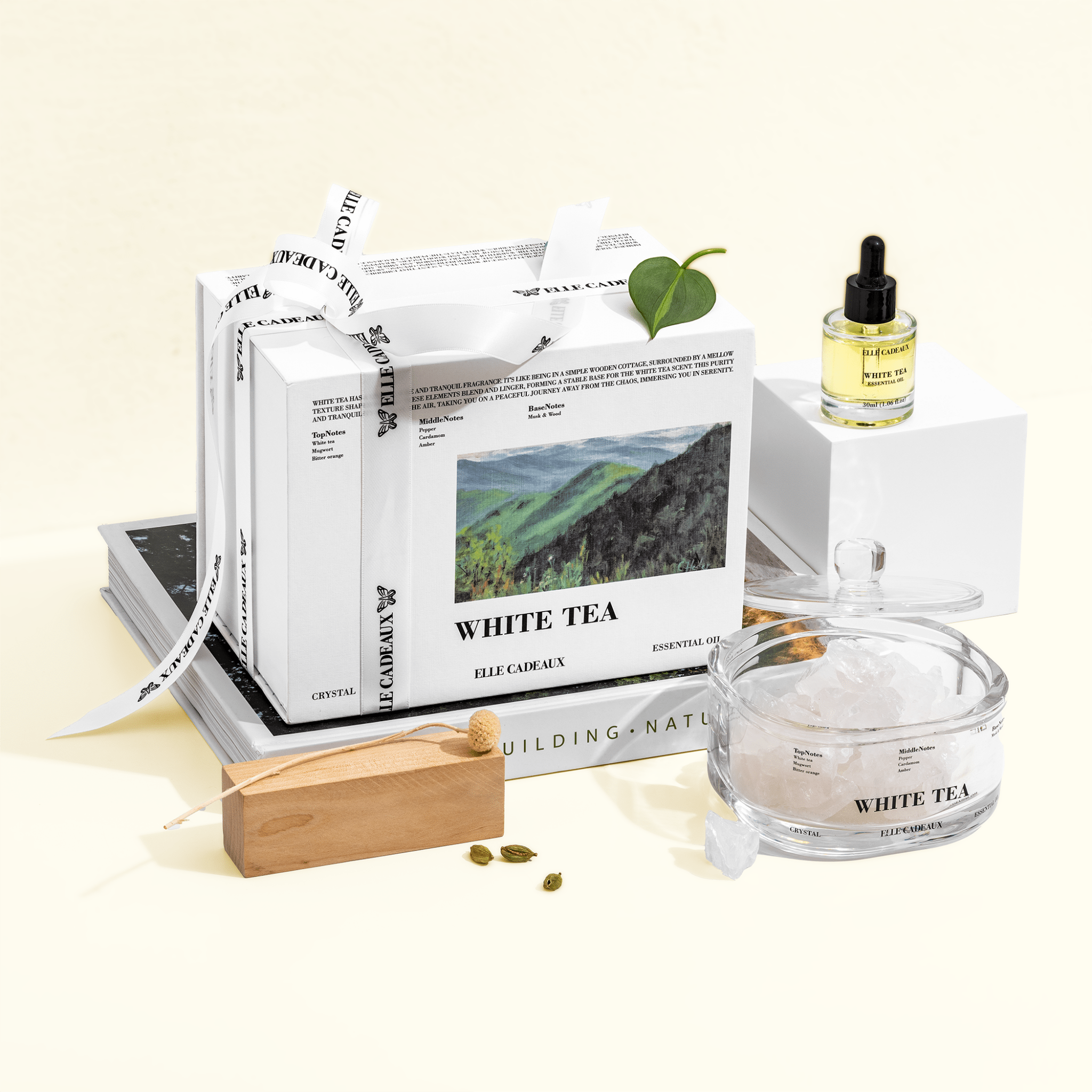
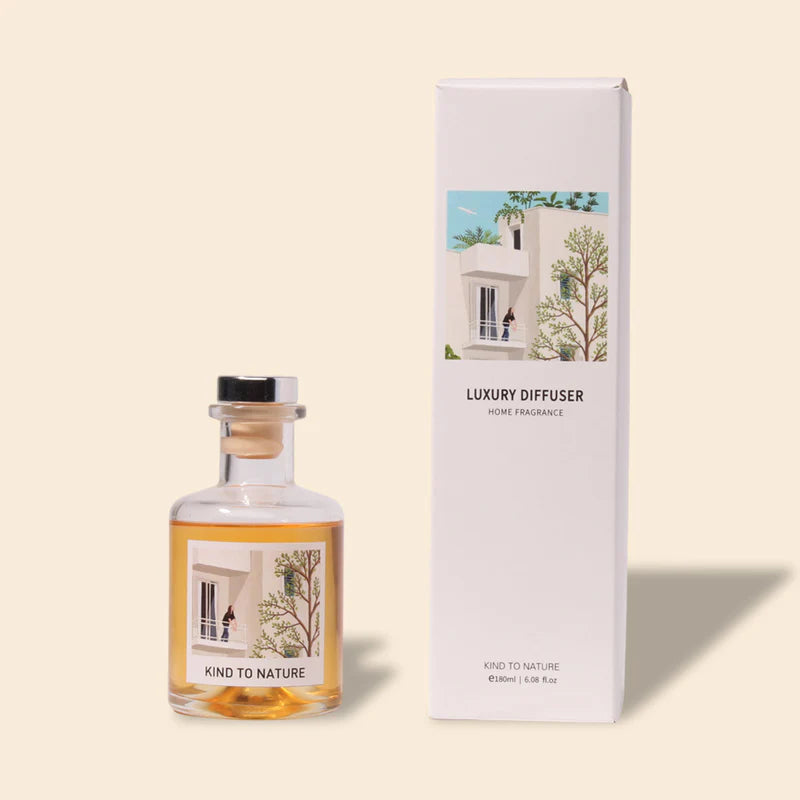
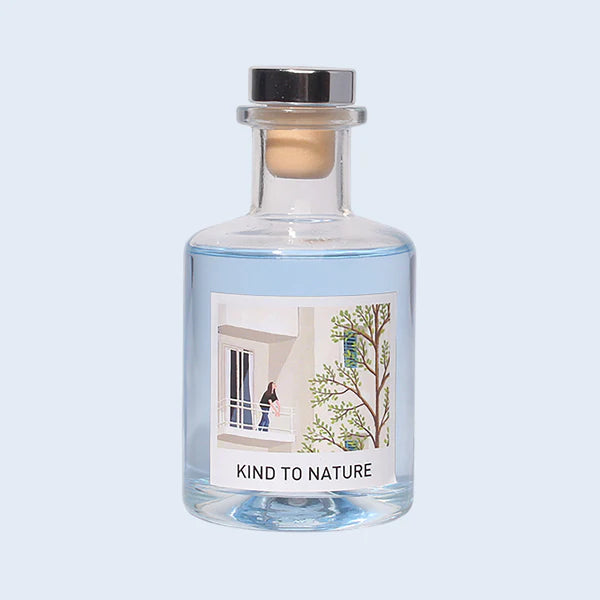
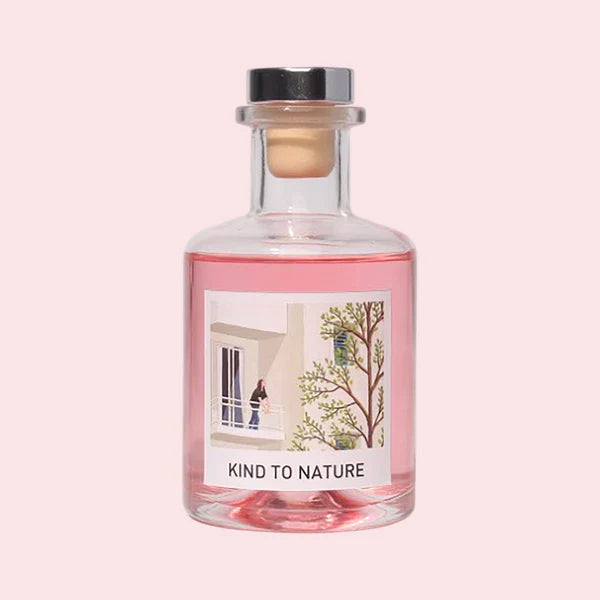
Join the movement toward safer, longer-lasting luxury fragrance. Explore Elle Cadeaux's complete collection of crystal diffusers and premium reed diffusers.

Leave a comment
This site is protected by hCaptcha and the hCaptcha Privacy Policy and Terms of Service apply.