Crystals for Meditation: How to Build a Home Sanctuary

In This Article
- What Makes a Home Meditation Sanctuary
- Choosing the Right Crystals for Meditation
- Pairing Crystals With Sacred Fragrance
- Designing Your Meditation Space
- Creating Ritual and Intention
- Frequently Asked Questions
A meditation practice isn't just something you doâit's a space you enter. While many people approach meditation as a purely mental discipline, sophisticated practitioners understand that the physical environment profoundly affects the quality of practice. Creating a home sanctuary dedicated to meditation means designing a space where your nervous system naturally downregulates, your mind naturally quiets, and deeper states become more accessible. Crystals aren't metaphysical magic; they're tools that anchor your intention and create environmental conditions supporting meditative states.
What Makes a Home Meditation Sanctuary
Environmental Psychology and Sanctuary
A true sanctuary is a space where your nervous system immediately recognizes safety and permission to downregulate. This requires multiple sensory inputs working together: visual calm (minimal clutter, soft colors, beautiful objects), auditory quiet (absence of jarring sounds), tactile comfort (soft textures), and olfactory support (calming fragrances). Crystals are the visual anchor; fragrance provides olfactory anchoring, but the sanctuary requires both.
The Psychological Container
Having a dedicated meditation spaceâeven a corner, even a small roomâcreates a psychological container that signals to your brain "this space is for deep work." Entering that space activates familiar neurological patterns. Over time, simply sitting in your sanctuary space begins the transition toward meditative states before you've consciously engaged practice.
Intentional Design Versus Accident
An accidental meditation corner isn't the same as an intentionally designed sanctuary. Intention creates power. When you deliberately curate every elementâcrystals chosen for their properties, fragrance selected for meditation support, lighting calibrated for calmâyou're creating a container of focused energy that supports practice.
Choosing the Right Crystals for Meditation
Amethyst: The Meditation Crystal
Amethyst is considered the premier meditation crystal. Its purple hue alone is associated with spiritual practice and calming. Energetically, amethyst is believed to enhance intuition and spiritual awareness. Practically, amethyst is beautiful and creates a focal point that anchors your practice space. A large amethyst cluster or geode becomes the visual anchor of your meditation corner.
Clear Quartz: The Amplifier
Clear quartz is believed to amplify intention and energy. Place clear quartz in your meditation space with clear intentionâyou're programming the space to support deep meditation. Clear quartz also has the advantage of being universally appealing aesthetically, working with any decor style.
Rose Quartz: The Heart Opening
Rose quartz is associated with self-love, compassion, and heart-centered practice. If your meditation emphasizes loving-kindness or heart-opening practices, rose quartz provides energetic alignment with those intentions. It's also softer visually, creating a gentler, more welcoming sanctuary feel.
Black Tourmaline or Hematite: The Grounding
If you tend toward anxiety or feel ungrounded during meditation, grounding stones (black tourmaline, hematite) provide stabilizing energy. These darker stones balance the lighter energy of quartz and amethyst, creating complete energetic grounding.
Selenite or Clear Apophyllite: The Clarity
These high-vibration stones support mental clarity and connection to higher consciousness. For people whose meditation emphasizes awareness or insight, these crystals support the intended mental state.
Pairing Crystals With Sacred Fragrance
The Olfactory-Crystal Synergy
Crystals are visual and energetic; fragrance is neurological and emotional. Together, they create multisensory support for meditation. Calming fragrances like lavender synergize with amethyst's calming energy. Fresh clarity scents (lemon, rosemary) synergize with clear quartz's amplifying properties. This intentional pairing creates multisensory coherence.
Meditation-Specific Fragrance Selections
Choose essential oils known for meditation support: lavender and chamomile for calming meditation; frankincense and myrrh for spiritual practice; sandalwood for grounding; peppermint for clarity-focused meditation. The fragrance selection should align with your meditation intention, not generic "calming" scents.
Using Diffusers in Your Sanctuary
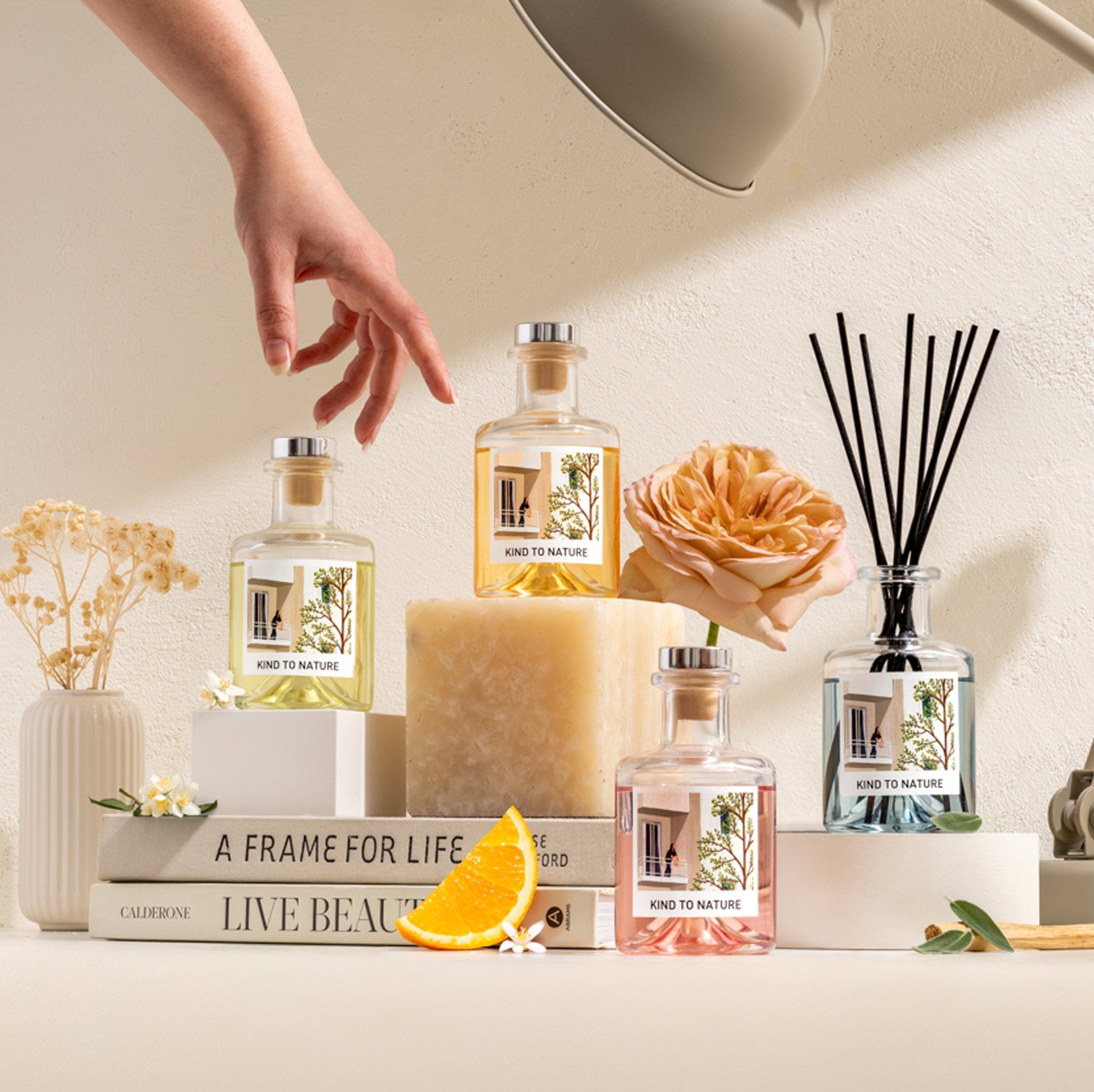
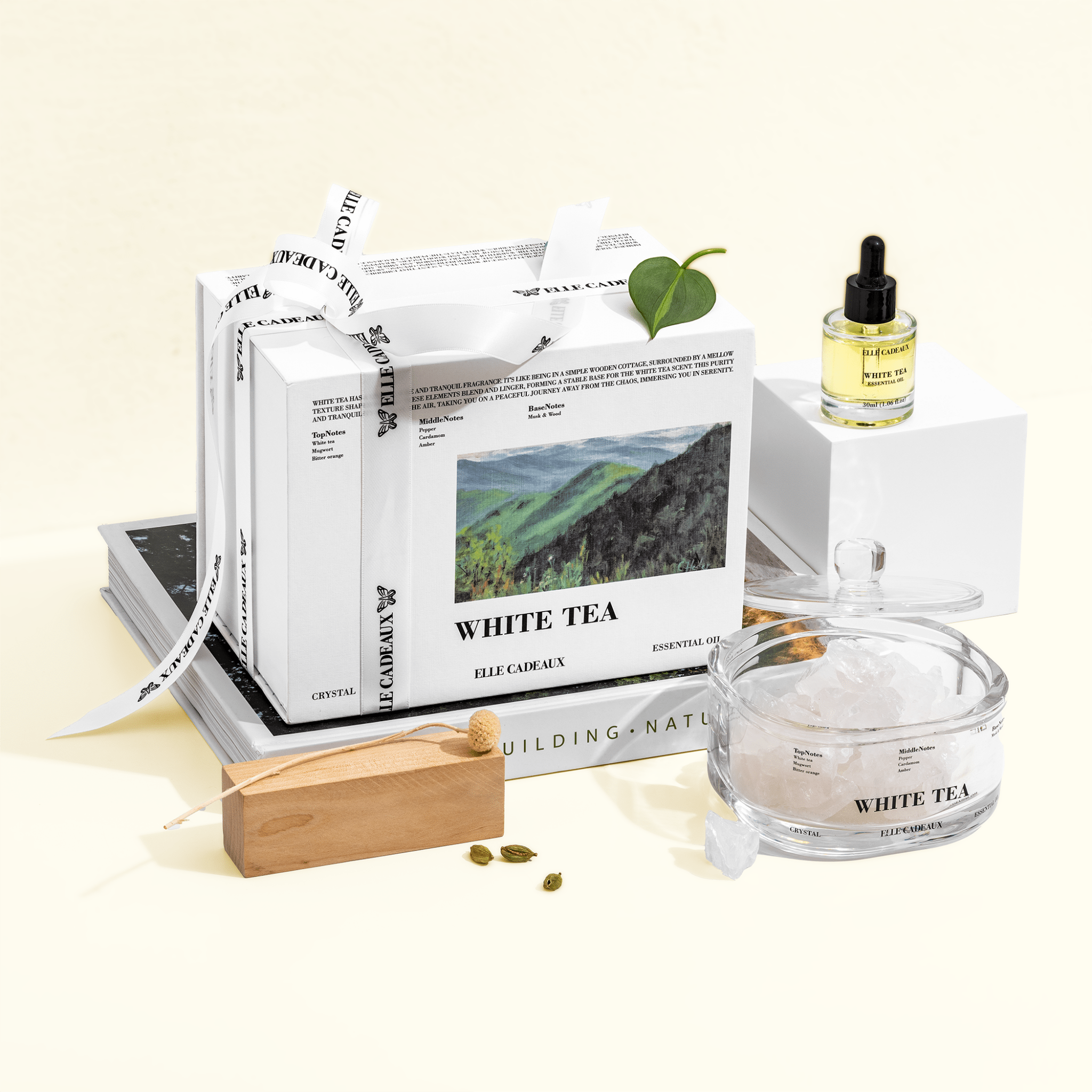
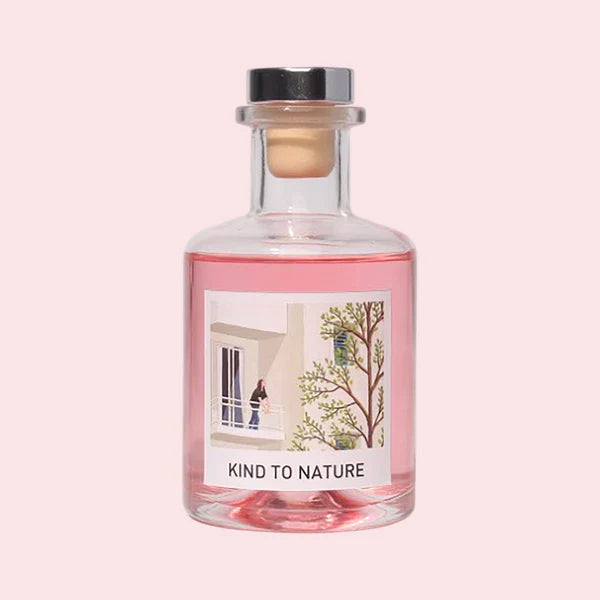
A subtle, steady diffuser in your meditation space provides consistent olfactory support without requiring active engagement (like burning candles or reapplying scent). Crystal diffusers are ideal because they combine visual beauty with fragrance function, but reed diffusers or ultrasonic diffusers also work beautifully.
Designing Your Meditation Space
Minimalist Principle
A meditation sanctuary should be minimalistâevery object serves intention. Avoid clutter, unnecessary decoration, or elements that distract. Your crystals, your diffuser, perhaps a meditation cushion and small table. This intentional sparseness supports mental clarity.
Natural Light and Soft Illumination
Natural light is ideal; meditation by harsh artificial light is suboptimal. If your space lacks natural light, invest in soft, warm-toned lighting (warm LED bulbs, salt lamps, or subtle uplighting). The goal is gentle, supportive illumination that doesn't startle or overstimulate.
Sensory Comfort
Your meditation cushion or seat should be comfortable enough that you're not distracted by discomfort, but firm enough that you're supported for extended periods. Soft textures (blankets, rugs) can enhance comfort without creating excessive coziness that causes sleep instead of meditation.
Personal Arrangement
Arrange your crystals intuitively. Your largest amethyst might sit at eye level or slightly elevated. Smaller stones might form a circle around your meditation seat. The arrangement should feel aesthetically pleasing to youâyour intuitive arrangement creates personal resonance that supports practice.
Creating Ritual and Intention
The Opening Ritual
Develop a simple ritual that transitions you from daily life into meditation: entering your space, perhaps touching your crystals, consciously noticing the fragrance, taking three deep breaths. This ritual signals to your nervous system that transition is happening. Over time, simply performing the ritual begins shifting you toward meditative states.
Intention Setting
Before meditating, set clear intention: "I use this space for calm clarity," or "This sanctuary supports my spiritual growth." Verbally state or mentally hold your intention. This conscious intention-setting programs your space energetically and neurologically.
Consistent Practice
The power of a sanctuary increases with consistent use. Meditating in the same space at the same time daily creates powerful neural pathways. Your space becomes increasingly conducive to deep meditation because you've trained your nervous system to recognize it as a sanctuary.
Seasonal Refreshes
Periodically refresh your space: rotate fragrance seasonally, clean and re-arrange your crystals, or add new elements that feel aligned with your evolving practice. This keeps the space alive and engaged rather than stale or rote.
Frequently Asked Questions
Do I need real crystals, or do they work if I don't believe in their metaphysical properties?
Crystals function both neurologically and energetically. Even skeptics benefit from a beautiful, calming space anchored by intentional objects. The psychological power of a sanctuaryâknowing you've created something specialâis real regardless of whether you believe in crystal metaphysics. Use them for their beauty and as intention anchors; metaphysical benefits are a bonus.
How much space do I need for a meditation sanctuary?
You need only a cornerâa meditation cushion, crystals, and a diffuser can fit in a 4x4 foot space. Size doesn't matter; intention and consistency matter. An intentional small corner outperforms a neglected large room.
What if I live with others and can't have a dedicated room?
Create a defined space within a shared room: a corner with a curtain, a specific cushion spot, a shelf displaying your crystals and fragrance diffuser. The boundaryâwhether physical or psychologicalâcreates container energy. Your meditation partners (housemates) will learn to respect your practice space once you've established it consistently.
Should I change my crystals based on moon cycles or astrological seasons?
This is personal preference. Some people deeply engage with lunar and astrological cycles, changing their space intentionally with those rhythms. Others find consistency more supportive. Choose what feels aligned with your practice. The benefit comes from intentional engagement, however you choose to engage.
Related Articles You Might Enjoy
- Crystal Diffusers Explained: What They Are and Why They Work
- Essential Oils and Crystals: A Beginnerâs Pairing Guide
- How to Use a Crystal Diffuser: Step-by-Step for Beginners
- White Tea Oil for Crystal Diffusers: The Ultimate Pairing
- Aromatherapy Trends 2026: Whatâs Shaping Wellness This Year
Designing Your Meditation Space
Minimalist Principle
A meditation sanctuary should be minimalistâevery object serves intention. Avoid clutter, unnecessary decoration, or elements that distract. Your crystals, your diffuser, perhaps a meditation cushion and small table. This intentional sparseness supports mental clarity.
Natural Light and Soft Illumination
Natural light is ideal; meditation by harsh artificial light is suboptimal. If your space lacks natural light, invest in soft, warm-toned lighting (warm LED bulbs, salt lamps, or subtle uplighting). The goal is gentle, supportive illumination that doesn't startle or overstimulate.
Sensory Comfort
Your meditation cushion or seat should be comfortable enough that you're not distracted by discomfort, but firm enough that you're supported for extended periods. Soft textures (blankets, rugs) can enhance comfort without creating excessive coziness that causes sleep instead of meditation.
Personal Arrangement
Arrange your crystals intuitively. Your largest amethyst might sit at eye level or slightly elevated. Smaller stones might form a circle around your meditation seat. The arrangement should feel aesthetically pleasing to youâyour intuitive arrangement creates personal resonance that supports practice.
Creating Ritual and Intention
The Opening Ritual
Develop a simple ritual that transitions you from daily life into meditation: entering your space, perhaps touching your crystals, consciously noticing the fragrance, taking three deep breaths. This ritual signals to your nervous system that transition is happening. Over time, simply performing the ritual begins shifting you toward meditative states.
Intention Setting
Before meditating, set clear intention: "I use this space for calm clarity," or "This sanctuary supports my spiritual growth." Verbally state or mentally hold your intention. This conscious intention-setting programs your space energetically and neurologically.
Consistent Practice
The power of a sanctuary increases with consistent use. Meditating in the same space at the same time daily creates powerful neural pathways. Your space becomes increasingly conducive to deep meditation because you've trained your nervous system to recognize it as a sanctuary.
Seasonal Refreshes
Periodically refresh your space: rotate fragrance seasonally, clean and re-arrange your crystals, or add new elements that feel aligned with your evolving practice. This keeps the space alive and engaged rather than stale or rote.
Frequently Asked Questions
Do I need real crystals, or do they work if I don't believe in their metaphysical properties?
Crystals function both neurologically and energetically. Even skeptics benefit from a beautiful, calming space anchored by intentional objects. The psychological power of a sanctuaryâknowing you've created something specialâis real regardless of whether you believe in crystal metaphysics. Use them for their beauty and as intention anchors; metaphysical benefits are a bonus.
How much space do I need for a meditation sanctuary?
You need only a cornerâa meditation cushion, crystals, and a diffuser can fit in a 4x4 foot space. Size doesn't matter; intention and consistency matter. An intentional small corner outperforms a neglected large room.
What if I live with others and can't have a dedicated room?
Create a defined space within a shared room: a corner with a curtain, a specific cushion spot, a shelf displaying your crystals and fragrance diffuser. The boundaryâwhether physical or psychologicalâcreates container energy. Your meditation partners (housemates) will learn to respect your practice space once you've established it consistently.
Should I change my crystals based on moon cycles or astrological seasons?
This is personal preference. Some people deeply engage with lunar and astrological cycles, changing their space intentionally with those rhythms. Others find consistency more supportive. Choose what feels aligned with your practice. The benefit comes from intentional engagement, however you choose to engage.
Related Articles You Might Enjoy
- Crystal Diffusers Explained: What They Are and Why They Work
- Essential Oils and Crystals: A Beginnerâs Pairing Guide
- How to Use a Crystal Diffuser: Step-by-Step for Beginners
- White Tea Oil for Crystal Diffusers: The Ultimate Pairing
- Aromatherapy Trends 2026: Whatâs Shaping Wellness This Year
Frequently Asked Questions
Crystals for Meditation: How to Build a Home Sanctuary?
This guide covers practical, step-by-step methods for crystals for meditation: build a home sanctuary. Read the full article for detailed instructions and expert tips.
How long do crystal reed diffusers last?
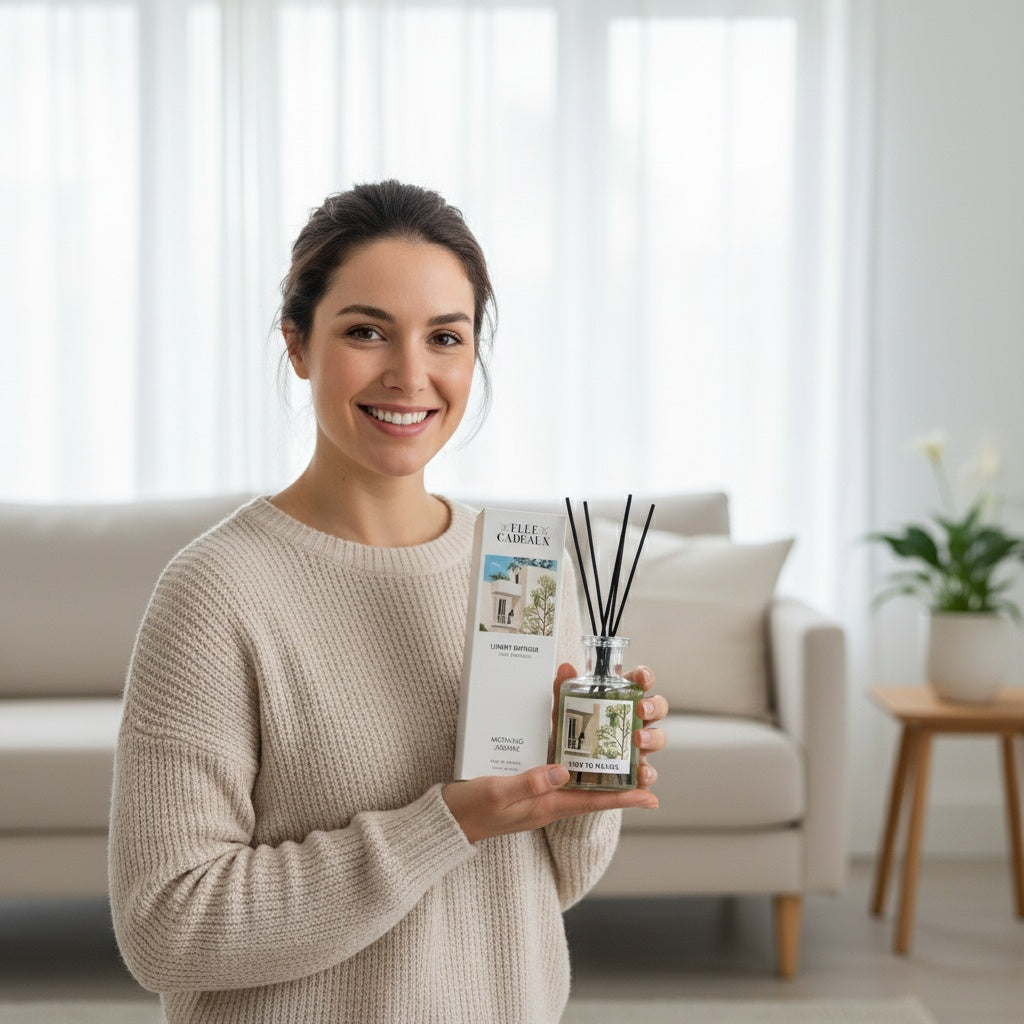
High-quality crystal reed diffusers from Elle Cadeaux typically last 3-6 months depending on room size, airflow, and the number of reeds used.
Where can I buy luxury crystal diffusers?
Elle Cadeaux offers a premium collection of crystal reed diffusers, essential oil blends, and luxury gift sets at ellecadeaux.com.